 About Dr. Ann Peters

Dr. Ann J. Peters is a highly respected expert in longevity and anti-aging medicine, dedicated to helping people look and feel their best while living longer, healthier lives. With medical training from renowned institutions such as Cornell Medical Center and Harvard School of Public Health, Dr. Peters has built a career focused on providing personalized care to each patient. She is a member of prestigious organizations like the American Academy of Anti-Aging Medicine and the European Academy of Quality of Life and Longevity Medicine. Dr. Peters combines her extensive medical expertise with a commitment to evidence-based treatments, ensuring that each patient receives the best possible care. Her approach includes customized programs that focus on hormone balance, nutrition, exercise, and other therapies designed to improve overall well-being and support a healthy, vibrant life.

What Is A Good Testosterone Level?

What Is A Good Testosterone Level?

Testosterone plays a vital role in the human body, influencing everything from muscle growth and fat distribution to mood, libido, and energy levels. While it is often viewed as a “male hormone,” testosterone is also essential for female health, though in smaller amounts. The question, “What is a good testosterone level?” is common among people experiencing symptoms of hormonal imbalance or simply curious about optimizing their health. Understanding what constitutes a healthy testosterone range is key to managing your well-being at any age.

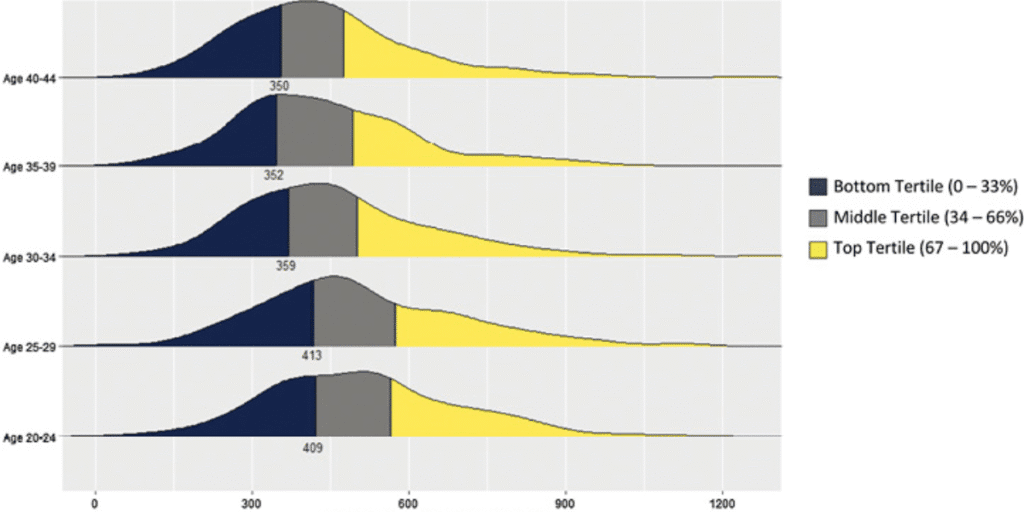
There is no single “perfect” testosterone number. What’s considered a good level varies depending on age, gender, lifestyle, and even the time of day the test is taken. For men, testosterone levels typically range between 300 to 1000 ng/dL. Women usually fall between 15 to 70 ng/dL. However, being within these ranges does not necessarily mean optimal health or function. Symptoms and quality of life often provide better insights than numbers alone.

Testosterone levels naturally fluctuate throughout the day and across your lifetime. Most men experience their highest levels in their late teens to early twenties, with gradual declines starting around age 30. Women also experience changes, especially during pregnancy and menopause, when hormone shifts are more noticeable. Many people who fall within “normal” reference ranges still experience symptoms of low testosterone, which is why testing and consultation with a healthcare provider are essential.

Why Testosterone Is Important for Your Health

Testosterone is a hormone that affects almost every system in your body. It plays a central role in sexual development, muscle mass, red blood cell production, fat distribution, and even mental focus. Low testosterone levels can cause a wide array of symptoms, including fatigue, depression, low libido, weight gain, and poor concentration. On the flip side, extremely high testosterone can lead to aggression, acne, sleep disturbances, and other complications.

In both men and women, testosterone also contributes to bone health. Lower levels can increase the risk of osteoporosis and fractures later in life. Hormonal balance is critical for maintaining long-term vitality and avoiding chronic disease. When hormone levels fall out of balance, people often notice physical and emotional changes that impact their quality of life.

The brain and endocrine system regulate testosterone production. The hypothalamus signals the pituitary gland, which then stimulates the testes or ovaries to produce testosterone. Any interruption in this hormonal signaling chain can lead to irregular levels. Medical conditions, certain medications, stress, poor sleep, and nutritional deficiencies can all affect testosterone balance.

What Is Considered a Good Testosterone Level for Men?

For men, testosterone is usually measured in nanograms per deciliter (ng/dL). According to most laboratories, a typical reference range is between 300 and 1000 ng/dL. However, many men begin to feel symptoms of low testosterone when levels fall below 500 ng/dL. On the other hand, some men function optimally at levels slightly lower or higher, depending on their body chemistry.

The most accurate way to assess testosterone is through a blood test taken in the morning, when levels are at their peak. Free testosterone, which is the portion of testosterone not bound to proteins in the blood, is a more sensitive indicator of hormonal activity than total testosterone alone. Many practitioners now test both total and free testosterone to get a more complete picture.

Men in their 20s and 30s usually have testosterone levels closer to the upper end of the range. As men age, levels decline naturally, often at a rate of about 1% per year after age 30. While this decline is normal, significant drops can lead to symptoms like erectile dysfunction, reduced muscle mass, and lack of motivation. Men experiencing such symptoms should have their levels evaluated, even if they are within the “normal” range.

What Is a Good Testosterone Level for Women?

Although women have lower levels of testosterone compared to men, the hormone is just as important for female health. Testosterone supports muscle tone, mood stability, sexual desire, and cognitive function in women. The typical range for women is between 15 and 70 ng/dL, depending on age and overall health.

Women produce testosterone in their ovaries and adrenal glands. Like men, women can also experience hormonal imbalances that affect how they feel and function. Low testosterone in women may lead to fatigue, loss of sex drive, mood changes, and poor concentration. Women in perimenopause and menopause are especially prone to hormonal fluctuations that can influence their testosterone levels.

Blood testing is used to determine total and free testosterone levels in women as well. Because levels are lower, testing must be done carefully, and interpretation requires an experienced provider. Just as in men, “normal” lab values are only part of the story. A good testosterone level for one woman may be too low or too high for another, depending on her symptoms and health goals.

How Age Affects Testosterone Levels

One of the biggest factors that influences testosterone is age. In both men and women, levels rise during puberty, peak during young adulthood, and decline as part of the aging process. For men, this decline is gradual and starts around the age of 30. By the time a man reaches 60, his testosterone level may be 20 to 40 percent lower than it was in his 20s.

Women, on the other hand, experience a more abrupt decline in testosterone levels during menopause. The ovaries slow down production of both estrogen and testosterone, which can cause symptoms like low energy, weight gain, and decreased libido. Postmenopausal women often benefit from addressing testosterone levels in addition to estrogen and progesterone.

While aging is a natural process, the rate at which testosterone declines can vary greatly. Lifestyle, genetics, stress levels, and underlying health conditions all play a role. Maintaining good testosterone levels into older age is possible with proper nutrition, exercise, sleep, and medical guidance when needed.

Symptoms of Low Testosterone

Many people do not realize they have low testosterone until symptoms become too uncomfortable to ignore. In men, symptoms may include reduced libido, erectile dysfunction, fatigue, muscle loss, depression, and difficulty concentrating. Some men also experience increased body fat, irritability, and poor sleep.

Women with low testosterone may notice a drop in sexual desire, lower stamina, depressed mood, weight gain, and decreased muscle strength. They might also find it harder to focus or recall information. Because these symptoms can overlap with other conditions, hormone testing is crucial to determine the true cause.

These symptoms don’t always mean a person has low testosterone. They could be related to thyroid issues, adrenal fatigue, nutrient deficiencies, or chronic stress. However, when these symptoms persist and disrupt daily life, it is essential to evaluate hormonal health, especially testosterone levels.

Can Testosterone Be Too High?

While low testosterone receives more attention, high testosterone levels can also create problems. In men, excessively high levels can lead to aggression, acne, oily skin, enlarged prostate, and sleep disturbances. It may also increase the risk of cardiovascular disease if left unchecked.

For women, high testosterone levels can cause unwanted hair growth, irregular periods, deepening of the voice, acne, and polycystic ovary syndrome (PCOS). This hormonal imbalance can interfere with fertility and increase the risk of metabolic issues. High testosterone in women is often caused by PCOS or adrenal disorders and needs thorough medical evaluation.

Testosterone replacement therapy or supplementation must be carefully monitored to avoid pushing levels too high. Balance is key. Achieving and maintaining a good testosterone level is not about having the highest number possible, but about finding the range that supports your health and quality of life.

Natural Ways to Improve Testosterone Levels

There are several lifestyle changes that can support healthy testosterone production naturally. Regular strength training and exercise help stimulate hormone production and maintain muscle mass. Getting adequate sleep is another major factor, as testosterone is primarily produced during deep sleep cycles.

Stress reduction is essential because chronic stress increases cortisol, which negatively impacts testosterone. Practicing relaxation techniques, such as meditation, yoga, or simply taking time for yourself, can significantly help. A nutrient-dense diet rich in healthy fats, lean proteins, and leafy greens supports hormonal health and keeps testosterone levels stable.

Zinc, magnesium, vitamin D, and omega-3 fatty acids are among the most important nutrients for testosterone production. Deficiencies in any of these can reduce levels over time. Limiting alcohol, avoiding smoking, and staying at a healthy body weight also contribute to maintaining optimal testosterone levels.

When Should You Get Tested?

If you are experiencing symptoms of low testosterone, irregular menstrual cycles, mood changes, or simply want to assess your hormonal health, it is a good idea to get tested. Morning is the best time to draw blood, as testosterone levels peak early in the day. Make sure to work with a provider who understands both total and free testosterone and who can interpret your results in the context of your symptoms.

Regular testing is also important if you are on testosterone therapy or other hormone treatments. Monitoring helps ensure that you stay within a healthy and safe range. Testosterone should never be treated in isolation. A full hormone panel, including estrogen, progesterone, DHEA, and cortisol, often provides a clearer picture of your hormonal landscape.

Knowledge is power when it comes to your health. Knowing your testosterone level gives you insight into your energy, mood, metabolism, and sexual health. It allows you to take proactive steps toward feeling your best, regardless of your age or gender.

Conclusion

Understanding what a good testosterone level looks like is essential for maintaining energy, mood, strength, and overall health. While lab reference ranges provide general guidelines, the true indicator of a healthy testosterone level is how you feel. If you’re experiencing symptoms, testing is the first step toward clarity and treatment. Proper lifestyle habits, medical supervision, and hormone balance can help you reach optimal health.

For expert guidance and hormone optimization, contact MD Longevity at 888-545-3047 or 888-545-9147.

FAQs

Q: What is a good testosterone level for a 30-year-old man?
A healthy testosterone level for a man in his 30s is typically between 600 to 800 ng/dL, but this can vary based on lifestyle and genetics.

Q: Can low testosterone cause depression?
Yes, low testosterone is linked to mood disorders, including depression and irritability, especially in men.

Q: How can I increase testosterone naturally?
You can improve testosterone through strength training, better sleep, reducing stress, and a diet rich in healthy fats and essential nutrients.

Q: Is it safe to take testosterone supplements?
Supplements should be taken only under medical supervision. Improper use can lead to serious side effects and hormone imbalances.

Q: How do I know if I have low testosterone?
Common symptoms include fatigue, low libido, weight gain, and reduced muscle mass. A blood test is needed for confirmation.


How To Know If You Have Low Testosterone

How To Know If You Have Low Testosterone

What is Low Testosterone?

Testosterone is a hormone that plays a crucial role in male development and overall health. It influences everything from muscle mass to mood, libido, bone density, and overall energy levels. While it’s normal for testosterone levels to decline slightly with age, some men experience a significant drop that leads to troubling symptoms. This condition is commonly referred to as low testosterone or “Low T.”

Understanding whether you’re affected by low testosterone is crucial because its symptoms can mimic many other health issues. Achieving clarity begins with recognizing the signs, understanding your risk factors, and taking the appropriate diagnostic steps.

Signs and Symptoms of Low Testosterone

Low testosterone doesn’t show up the same way in every man. Some men experience physical changes, while others might first notice emotional or cognitive symptoms. Common signs include reduced sex drive, erectile dysfunction, fatigue, loss of muscle mass, weight gain, depression, irritability, difficulty concentrating, and even a decline in self-confidence.

If you feel like your motivation has vanished or your workouts are no longer giving results, you may want to consider low testosterone as a potential cause. Another common indicator is sleep disruption. Many men with low T find it difficult to fall or stay asleep, which contributes to daytime fatigue and poor mental focus.

Hair loss can also be a subtle yet telling symptom. While genetics plays a major role in hair thinning, low testosterone can accelerate the process. Furthermore, bone density loss is another under-the-radar issue. Men with low testosterone may become more prone to fractures or joint pain due to weakened bones.

Risk Factors You Should Know

Low testosterone is often associated with aging, but it’s not limited to older men. Several risk factors increase the likelihood of developing this condition. Obesity, diabetes, metabolic syndrome, chronic stress, lack of physical activity, and poor sleep hygiene can all negatively impact hormone levels.

Additionally, certain medications especially opioids and steroids, can suppress testosterone production. Men who have suffered testicular injury or undergone radiation or chemotherapy are also at higher risk. Lifestyle habits such as excessive alcohol intake and smoking further compound the problem.

Even younger men can suffer from low testosterone, especially if they have underlying endocrine disorders or have been exposed to environmental toxins that disrupt hormonal balance.

Emotional and Mental Health Impact

Low testosterone doesn’t just affect your body; it takes a toll on your mind too. Many men report increased anxiety, persistent sadness, and a loss of interest in activities they used to enjoy. The hormonal imbalance can lead to mood swings and irritability, making personal and professional relationships more difficult to manage.

Mental fog and poor memory are other cognitive symptoms often linked to testosterone deficiency. If you’ve been forgetting appointments, misplacing things, or struggling to stay organized, low T might be part of the issue. Hormones play a central role in brain chemistry, and when they fall out of balance, mental performance can suffer.

The emotional strain of these changes can become a cycle. As physical performance and sex drive drop, frustration grows. This can lead to even more stress and, in some cases, contribute to depression. Identifying and treating low testosterone can often bring significant improvements to both mood and cognitive function.

Physical Performance and Body Composition

Testosterone is essential for maintaining lean muscle mass and strength. When levels fall, you may find it harder to build muscle even with consistent workouts. Some men notice increased fat around the belly and chest, a condition known as gynecomastia or male breast enlargement, which is directly linked to hormonal imbalances.

You might also see a reduction in endurance. Workouts that used to feel energizing may now leave you drained. Recovery times become longer, and you may feel sore more often. If this sounds familiar, low testosterone could be the underlying factor limiting your progress.

Bone strength is another critical area. Testosterone helps maintain bone density, and a decline can increase the risk of osteoporosis. This is why men with low testosterone often report joint pain or back pain that wasn’t there before. These structural changes are gradual, making it essential to catch them early.

Sexual Health and Libido

One of the most noticeable and distressing effects of low testosterone is its impact on sexual health. Men may experience a significant drop in libido, find it difficult to get or maintain an erection, or notice a reduction in the intensity of orgasms. These symptoms can affect self-esteem and relationship satisfaction.

While erectile dysfunction can stem from multiple causes, testosterone deficiency remains one of the key contributors. The hormone affects blood flow, nerve sensitivity, and even the psychological desire for intimacy. When levels are too low, performance often suffers.

Some men also report smaller testicle size or a reduction in semen volume. These changes can be physically noticeable and emotionally upsetting. The sooner these symptoms are recognized and linked to low testosterone, the sooner treatment can restore a fulfilling sex life.

Energy Levels and Daily Motivation

Do you feel like you’re constantly running on empty? Fatigue is one of the most overlooked symptoms of low testosterone. Men often dismiss it as a result of stress or aging, but chronic tiredness can be hormonal.

Many men with low T describe a lack of drive or ambition. Tasks that once seemed easy may now feel overwhelming. You may start putting off responsibilities, social events, or hobbies simply because you don’t have the energy. Rest alone doesn’t seem to help.

The drop in testosterone can affect your body’s ability to convert food into energy efficiently. That’s why low T often coincides with weight gain and a sluggish metabolism. Boosting testosterone levels, whether naturally or through therapy, can help reverse these symptoms.

The Role of Blood Testing

The most accurate way to confirm low testosterone is through blood tests. Total testosterone levels are measured, but it’s equally important to assess free testosterone, which is the active form circulating in your system. In some cases, men may have normal total levels but still show symptoms due to low free testosterone.

Doctors typically recommend testing in the morning when testosterone levels are at their peak. Multiple tests may be needed for an accurate diagnosis. It’s also wise to test other hormones like LH, FSH, and estradiol to understand the complete endocrine picture.

If you’re experiencing any of the symptoms discussed, speak to a healthcare provider who specializes in hormone health. They can guide you toward the appropriate tests and interpret the results in context.

Natural Ways to Support Testosterone Levels

While medical treatment may be necessary for some, many men can support healthy testosterone production through lifestyle changes. Diet plays a significant role. Nutrients like zinc, vitamin D, and healthy fats are crucial for hormone synthesis. Foods such as eggs, lean meat, nuts, and leafy greens can help support balance.

Exercise, particularly resistance training, has a powerful impact on testosterone. Even short, intense workouts can trigger a boost. Sleep is equally important. Poor sleep disrupts hormone cycles and reduces testosterone levels. Aim for at least 7 to 8 hours of uninterrupted rest.

Stress management is often overlooked but vital. Chronic stress leads to elevated cortisol, which suppresses testosterone. Mindfulness practices like meditation, yoga, or even regular walking can reduce stress and support hormonal health.

When to Seek Professional Help

If lifestyle changes aren’t enough and your symptoms persist, professional evaluation is crucial. Low testosterone isn’t just about energy and sex drive; it can impact your long-term health, including heart function, bone strength, and mental wellness.

A specialist can guide you through options like testosterone replacement therapy (TRT), which may involve gels, injections, or pellets. These treatments can bring fast, noticeable improvements, but should only be used under medical supervision.

It’s important to track your symptoms and blood levels regularly during treatment. This ensures safe dosing and effective results. Working with an experienced provider also helps manage any potential side effects or interactions with other medications.

Conclusion

Understanding whether you have low testosterone starts with knowing the symptoms and recognizing that you’re not alone. Many men face this challenge, and there are solutions. Whether through lifestyle shifts or medical treatments, getting your hormone balance back can make a dramatic difference in how you feel and function each day.

For personalized help, consult with the experts at MD Longevity. We specialize in men’s health and hormone optimization. Call us at 888-545-3047 or 888-545-9147 to schedule your consultation and take the first step toward renewed energy, performance, and vitality.

Frequently Asked Questions (FAQs)

At what age do testosterone levels typically start to drop?

Testosterone levels generally begin to decline around age 30 and continue gradually over time. However, some men experience a more dramatic drop earlier due to lifestyle, medical conditions, or genetic factors.

Can low testosterone cause depression or anxiety?

Yes. Testosterone has a strong influence on brain chemistry. Low levels can lead to mood swings, irritability, depression, and even anxiety in some men.

How is low testosterone diagnosed?

Low testosterone is diagnosed through blood tests that measure total and free testosterone. It’s important to test in the morning and often more than once for accurate results.

Are there natural remedies for boosting testosterone?

Yes. Lifestyle changes like eating a healthy diet, exercising regularly, getting quality sleep, and reducing stress can naturally support testosterone levels.

Is testosterone replacement therapy safe?

When supervised by a qualified healthcare provider, testosterone therapy is generally safe. However, it requires regular monitoring to manage dosage and minimize potential side effects.

Will Exercise Increase Testosterone?

Testosterone plays a crucial role in men’s health, influencing muscle growth, energy levels, mood, libido, and overall vitality. With modern lifestyle challenges such as stress, lack of physical activity, poor sleep, and unhealthy diets, many men experience a decline in their testosterone levels earlier than expected. This has led to a growing interest in natural ways to boost testosterone, and exercise often tops the list.

So, will exercise increase testosterone? The answer is yes, but it depends on how you exercise, how often, and your overall health and habits. In this article, we’ll explore the science behind exercise and testosterone, the best types of workouts for boosting hormone levels, what to avoid, and how to create a long-term fitness routine that supports optimal hormone balance.

The Link Between Exercise and Testosterone

Physical activity influences hormone production in various ways. When you engage in exercise, especially resistance training, it sends signals to your brain and endocrine system that help stimulate testosterone release. Studies show that certain forms of exercise can lead to short-term spikes in testosterone levels immediately after the workout, and with consistent effort, this can also contribute to higher baseline levels over time.

Testosterone is produced primarily in the testes, but its release is regulated by the hypothalamus and pituitary gland. Exercise stimulates the hypothalamus, which in turn boosts the release of luteinizing hormone (LH). LH then signals the testes to produce more testosterone. This hormone not only supports muscle development and fat metabolism but also enhances mental clarity and mood.

Best Types of Exercise for Testosterone Boost

Resistance Training

Weightlifting and resistance exercises are among the most effective ways to naturally raise testosterone. Compound movements like squats, deadlifts, bench presses, and rows engage multiple large muscle groups. This triggers a greater hormonal response, especially when lifting moderate to heavy weights with proper rest intervals.

Several studies have shown that men who perform strength training regularly experience significant increases in testosterone. This is particularly true when exercises are performed with progressive overload, consistently increasing the weight or intensity over time.

High-Intensity Interval Training (HIIT)

HIIT involves short bursts of intense effort followed by brief recovery periods. This style of workout is highly effective for boosting cardiovascular health, burning fat, and improving hormonal balance. Research indicates that HIIT can increase testosterone levels more effectively than steady-state cardio, such as long-distance running.

The key with HIIT is to push your body hard during those short bursts of sprints, jumping jacks, burpees, or cycling intervals, and then allow adequate recovery. Doing HIIT two to three times a week can significantly enhance testosterone production.

Sprinting and Explosive Movements

Short, high-intensity sprints and explosive exercises (like kettlebell swings, plyometric jumps, or sled pushes) can stimulate testosterone by activating fast-twitch muscle fibers and increasing metabolic stress. These intense efforts cause a brief, sharp spike in testosterone, which can be beneficial when added to your weekly routine.

Exercises That May Not Help

While all movement is generally beneficial for health, not all exercise styles have a positive effect on testosterone.

Long-duration endurance training, such as marathon running or excessive cycling, can sometimes lead to decreased testosterone levels. This is due to the increased production of cortisol, a stress hormone that suppresses testosterone. Chronic endurance training without proper recovery may disrupt hormonal balance.

Additionally, overtraining without rest days or adequate sleep can backfire and lower testosterone. Balance is key.

Other Lifestyle Factors That Support Testosterone

Exercise is a powerful tool, but it’s not the only factor influencing testosterone production. To maximize your results, pair your fitness routine with these essential lifestyle practices:

Prioritize Sleep

Deep, restorative sleep is essential for hormone production. Most testosterone release happens during sleep, particularly during REM cycles. Aim for 7–9 hours per night of uninterrupted sleep.

Eat a Balanced Diet

Foods rich in healthy fats (like avocados, nuts, olive oil), quality protein (chicken, fish, eggs), and micronutrients (vitamin D, zinc, magnesium) support hormone production. Avoid excessive sugar, processed food, and alcohol, which may negatively impact testosterone levels.

Manage Stress

Chronic stress leads to elevated cortisol levels, which directly suppress testosterone. Practices such as mindfulness, deep breathing, meditation, and even light physical activity like walking can help manage stress effectively.

Maintain a Healthy Body Weight

Being overweight, especially with excess belly fat, is associated with lower testosterone. Adipose tissue can convert testosterone into estrogen. Exercise combined with a nutritious diet can support fat loss and improve hormonal balance.

Consistency Over Time

To experience lasting benefits, your approach must be sustainable. Random workouts won’t yield long-term results. Build a plan that includes resistance training three to four times per week, a couple of HIIT sessions, and proper rest and recovery.

Consistency, progression, and listening to your body are critical. You don’t need to train like an athlete; you need to train regularly and with purpose.

Testosterone and Aging

It’s natural for testosterone levels to decline with age, typically starting around age 30. However, the rate and impact of that decline can be reduced with a healthy lifestyle. Exercise has been shown to maintain higher testosterone levels in older men compared to sedentary individuals of the same age.

Even if your testosterone is already low, adopting an active routine can still improve how you feel and support overall hormone health. Many men over 40 find they feel more energetic, sleep better, and have better focus when they stick to an effective training plan.

Can Women Benefit Too?

Yes, women also produce testosterone, though in smaller amounts. It supports bone health, mood, and muscle tone. Strength training and HIIT can also benefit women by naturally supporting their hormonal balance, improving metabolism, and enhancing physical performance.

Signs Your Testosterone May Be Low

  • Low energy or fatigue
  • Decreased libido
  • Mood swings or depression
  • Trouble focusing
  • Reduced muscle mass
  • Increased body fat
  • Poor sleep

If you’re experiencing these symptoms despite regular exercise and a healthy lifestyle, it’s a good idea to get your hormone levels tested. Professional assessment can help you understand what’s going on and what steps to take.

The Role of Professional Support

At MD Longevity, we specialize in helping men optimize their health, energy, and hormone balance through natural and medical approaches. If you’re unsure whether your current routine is effective or if you want to explore advanced options like testosterone optimization therapy, we’re here to help.

Our team will guide you with evidence-based strategies tailored to your needs, whether you’re just starting or looking to enhance your performance. Exercise is a cornerstone, but working with the right professionals ensures you’re covering all bases.

Conclusion

Yes, exercise absolutely can increase testosterone, but only when done correctly, consistently, and paired with healthy habits. Resistance training, HIIT, and sprinting are powerful tools, while overtraining and long-duration cardio may have the opposite effect. Focus on quality workouts, good sleep, balanced nutrition, and stress management.

If you’re ready to take control of your hormones and feel better every day, reach out to us at MD Longevity. We’re here to support your journey toward optimal health.

Call us today at 888-545-3047 or 888-545-9147 to learn more or book your consultation.

FAQs

Can exercise alone fix low testosterone?

Exercise helps increase testosterone, but severe deficiencies may require medical support or hormone therapy. It’s best to combine exercise with a healthy lifestyle and professional guidance.

How long does it take for exercise to increase testosterone?

Short-term spikes can happen after a workout, but noticeable changes in baseline levels typically take several weeks to months of consistent training.

What is the best time of day to exercise for testosterone?

Morning workouts may slightly boost testosterone due to natural hormone cycles, but the most important factor is consistent exercise when you can commit regularly.

Is lifting weights or cardio better for testosterone?

Weightlifting and resistance training generally offer greater benefits for testosterone than steady-state cardio. However, both have their place in a balanced fitness routine.

Can too much exercise lower testosterone?

Yes. Overtraining without proper rest can increase cortisol, which may suppress testosterone. Balance your workouts with adequate recovery.

Does losing weight help improve testosterone?

Absolutely. Reducing excess body fat, especially around the belly, can help increase natural testosterone levels.

Should I take testosterone boosters?

Most over-the-counter boosters have limited evidence. Natural methods like exercise, sleep, and diet are more effective. Consult a professional before using supplements.

How To Boost Testosterone In Males

How To Boost Testosterone In Males

Testosterone plays a crucial role in the overall health and well-being of men. It’s more than just a hormone that regulates libido; it affects energy levels, muscle mass, mood, bone density, cognitive function, and even cardiovascular health. As men age, testosterone levels naturally decline. However, a significant number of younger males are also experiencing low testosterone symptoms due to stress, poor diet, lack of exercise, and environmental factors.

Understanding how to boost testosterone in males has become increasingly important. In 2025, there are more options than ever, including natural lifestyle changes, hormone therapies, and medical interventions. This article will explore effective, proven methods to increase testosterone and regain vitality without relying on misinformation or unproven supplements.

Why Testosterone Matters

Testosterone is the primary male sex hormone produced in the testes. It supports a wide range of bodily functions. Men with healthy testosterone levels tend to have more energy, better moods, greater muscle strength, and improved sexual function. On the other hand, low testosterone can result in fatigue, weight gain, loss of muscle, depression, and reduced libido.

Even men in their 30s or 40s can start feeling symptoms of testosterone deficiency. When testosterone is below optimal, it’s not just about sexual health; it becomes a full-body concern.

Signs You May Have Low Testosterone

If you’re wondering whether your testosterone levels are too low, some clear symptoms may point to a hormonal imbalance. These can include low sex drive, difficulty sleeping, decreased strength or endurance, brain fog, mood swings, and unexpected fat gain.

It’s important to get a blood test to measure total testosterone and free testosterone levels before starting any treatment. Many men attempt to treat themselves without medical guidance, which can do more harm than good.

Natural Ways to Boost Testosterone

One of the most common questions men ask is how to boost testosterone naturally. Several lifestyle modifications have been scientifically proven to support healthy testosterone production.

First, improving sleep quality can have a profound effect. Men who sleep less than 6 hours per night often experience lower testosterone levels. Aim for 7–9 hours of deep, uninterrupted sleep each night. Sleep is when the body regenerates, and hormone production is at its highest.

Second, managing stress is essential. Chronic stress elevates cortisol, a hormone that competes with testosterone. Meditation, deep breathing exercises, and consistent routines can lower cortisol levels and allow testosterone to function properly.

Third, adopt a strength-based training regimen. Weightlifting and high-intensity interval training (HIIT) can naturally boost testosterone. Exercise increases androgen receptor activity and helps the body release more growth hormone, which works hand-in-hand with testosterone.

Fourth, nutrition plays a key role. Diets rich in healthy fats, zinc, and vitamin D are especially beneficial. Avoid processed foods and refined sugars. Instead, focus on eggs, nuts, fatty fish, leafy greens, and whole grains.

Foods That Help Increase Testosterone

Certain foods have been shown to support hormone balance and testosterone production. Incorporating these into your daily diet can help:

  • Eggs: Packed with healthy cholesterol and vitamin D
  • Tuna and salmon: Rich in omega-3s and vitamin D
  • Leafy greens, like spinach and Swiss chard, are high in magnesium
  • Avocados: Contain monounsaturated fats essential for hormone production
  • Oysters: A natural source of zinc, which is crucial for testosterone

Zinc and magnesium are often lacking in modern diets, yet they are essential for testosterone production. Supplementation may be useful, but food-based sources are always preferred.

The Role of Body Fat and Testosterone

Excess body fat, particularly around the abdomen, converts testosterone into estrogen through an enzyme called aromatase. This can create a hormonal imbalance that leads to even lower testosterone levels.

Losing weight through a combination of clean eating and consistent exercise not only helps boost testosterone naturally but also improves insulin sensitivity, heart health, and energy levels.

The Impact of Alcohol and Endocrine Disruptors

Alcohol, especially in large amounts, can significantly reduce testosterone levels. It impairs liver function, which is essential for metabolizing hormones, and can increase estrogen in the body.

Additionally, endocrine disruptors found in plastics, pesticides, and many household products can interfere with hormone production. Avoid heating food in plastic containers, use natural cleaning products, and filter your drinking water when possible.

Testosterone Therapy: When Natural Isn’t Enough

For some men, especially those over 40 or those with medical conditions, natural methods may not be sufficient. That’s when testosterone replacement therapy (TRT) may be considered. A longevity doctor can test hormone levels and recommend personalized treatment plans that include bioidentical hormone therapy or injectable testosterone.

TRT can restore testosterone to optimal levels, improving energy, libido, muscle mass, and emotional balance. However, it should always be done under professional supervision to avoid side effects and ensure proper monitoring.

Many men also explore alternatives like clomiphene citrate or human chorionic gonadotropin (hCG), which stimulate the body to produce its testosterone. These options are beneficial for younger men who still want to maintain fertility.

Testosterone and Mental Health

Low testosterone doesn’t just affect the body it can impact mental clarity, focus, and overall mood. Men with balanced testosterone levels often report feeling more confident, less anxious, and more motivated.

Addressing testosterone levels can be a key part of improving mental wellness, especially for men experiencing unexplained sadness or low energy. Hormone therapy for men is becoming more widely accepted as a legitimate solution for cognitive and emotional well-being.

Sleep and Testosterone Connection

There’s a direct link between quality sleep and testosterone levels. Most testosterone is released during REM sleep. Men who wake up frequently or have sleep disorders like sleep apnea may struggle with hormone regulation.

Improving sleep hygiene, limiting screen time before bed, sleeping in a cool, dark room, and sticking to a consistent bedtime can help restore natural testosterone production.

How Aging Affects Testosterone

Testosterone levels decline naturally with age, often starting in the late 30s. This doesn’t mean every man needs treatment, but it does mean you should monitor your health and symptoms closely. Longevity doctors are now focusing on early detection and prevention, allowing men to maintain energy and strength well into their 60s and beyond.

Modern medicine allows men to age without sacrificing performance, clarity, or physical ability. Hormone therapy for men can be life-changing when managed properly.

Lifestyle Adjustments That Work Long-Term

Sustainable testosterone improvement comes from lifestyle changes. Quit smoking, reduce alcohol, and stay active. Focus on whole foods, maintain a healthy body weight, and manage your stress. These adjustments can significantly improve your testosterone levels and reduce the risk of long-term health complications.

Whether you’re in your 20s or 50s, it’s never too early or too late to take control of your hormone health.

Conclusion

Optimizing testosterone levels can transform your energy, performance, and quality of life. Whether through lifestyle changes, diet, or medically supervised hormone therapy, men have more tools than ever in 2025 to take charge of their health. If you’re experiencing symptoms of low testosterone or want to explore your options for longevity and performance, working with a trusted provider makes all the difference.

Contact MD Longevity at 888-545-3047 or 888-545-9147 today and begin your personalized journey toward better health and vitality.

Frequently Asked Questions

What are the signs of low testosterone in men?
Low testosterone can show up as low libido, fatigue, irritability, reduced muscle mass, weight gain, and poor concentration. A blood test is the most reliable way to confirm testosterone deficiency.

Can testosterone be boosted naturally?
Yes. Natural methods like improved sleep, exercise, a clean diet, and stress management can help increase testosterone. However, some men may require medical intervention for optimal results.

Is testosterone therapy safe?
When supervised by a qualified longevity doctor and tailored to individual needs, testosterone therapy is generally safe. Regular monitoring is essential to avoid potential side effects and to maintain balance.

Are supplements effective for testosterone?
Some supplements like zinc, vitamin D, and ashwagandha may help support testosterone levels, but results vary. It’s best to consult with a healthcare provider before starting any supplement regimen.

Can young men have low testosterone?
Yes, testosterone deficiency is not limited to older men. Poor lifestyle habits, chronic stress, or underlying health issues can affect young men’s hormone levels. A medical evaluation is recommended.

Does Lower Testosterone Cause Weight Gain?

Testosterone is often viewed as a hormone tied solely to masculinity, muscle mass, and sex drive. But this hormone plays a far more crucial role in regulating many aspects of health, one of which is weight management. In recent years, more attention has been given to the link between low testosterone levels and weight gain in both men and women. But does lower testosterone cause you to gain weight, or is it the other way around? Understanding this connection is vital if you’re struggling with unexplained weight gain or other metabolic issues.

The relationship between hormones and body weight is complex, but research shows that testosterone has a significant influence on how your body stores fat, builds muscle, and processes calories. A drop in this hormone can trigger a cascade of biological changes that may lead to stubborn weight gain, especially around the abdomen.

Understanding What Testosterone Does

Testosterone is a steroid hormone produced primarily in the testes for men and the ovaries for women, with small amounts also produced by the adrenal glands. While it’s commonly associated with sexual development and reproductive health, testosterone also plays a role in muscle growth, bone density, red blood cell production, and fat metabolism.

As testosterone levels fall, the body’s ability to regulate fat distribution and energy usage can become impaired. Many people with low testosterone also report increased fatigue, lower motivation to exercise, and reduced muscle mass—all of which can contribute to weight gain over time.

The Vicious Cycle: Low Testosterone and Weight Gain

One of the most frustrating realities about low testosterone is that it often creates a cycle that feeds into itself. As testosterone drops, body fat tends to increase. This gain in body fat, particularly visceral fat, then further suppresses testosterone production. Visceral fat is more metabolically active and can convert testosterone into estrogen, compounding the hormonal imbalance and making it even more difficult to lose weight.

This cycle can start slowly, often going unnoticed until symptoms become more obvious. You might find that despite eating healthy and working out, your body continues to accumulate fat, particularly around the midsection. Many individuals in this situation discover that hormone imbalance, not just diet or lifestyle, is the hidden culprit.

Common Causes of Low Testosterone

There are many factors that can contribute to lower testosterone levels. Age is one of the most common, with natural declines starting around age 30 and continuing through life. However, low testosterone is no longer just an “aging man’s” issue. Lifestyle factors such as stress, poor sleep, lack of exercise, unhealthy diets, and even exposure to environmental toxins can all lead to hormonal imbalances.

Certain medical conditions can also lower testosterone, including diabetes, thyroid disorders, obesity, and chronic illnesses. It’s essential to identify the underlying cause to create a targeted treatment plan that addresses both hormone levels and weight gain.

How Low Testosterone Impacts Metabolism

One of the most significant ways low testosterone contributes to weight gain is through its effect on metabolism. Testosterone plays a critical role in maintaining lean muscle mass, and muscle tissue burns more calories than fat, even at rest. When testosterone declines, muscle mass also tends to drop, resulting in a slower metabolic rate.

This means your body burns fewer calories throughout the day, even if your activity levels remain the same. Over time, this reduction in calorie-burning potential leads to gradual weight gain, particularly if you are consuming more calories than your body needs. This makes managing weight incredibly difficult for individuals with low testosterone.

Testosterone and Insulin Resistance

Another way testosterone affects body weight is through its influence on insulin sensitivity. Insulin is a hormone that helps the body regulate blood sugar levels. When insulin sensitivity decreases, your body becomes less efficient at processing glucose, often resulting in elevated blood sugar levels and increased fat storage.

Low testosterone is associated with insulin resistance, which is a major risk factor for weight gain and type 2 diabetes. As insulin resistance develops, fat accumulation, particularly around the abdomen, increases. This combination of hormonal imbalances makes it increasingly difficult to lose weight without professional intervention.

Emotional and Behavioral Changes That Lead to Weight Gain

Low testosterone doesn’t just change your body; it can also affect your mind. Many people with low testosterone experience mood swings, depression, and decreased motivation. These psychological effects can significantly reduce your desire to engage in physical activity or stick to a healthy eating plan.

A lack of energy, feelings of irritability, or persistent brain fog may cause you to skip workouts, eat more comfort foods, or neglect sleep hygiene, all of which are habits that contribute to unwanted weight gain. Over time, this behavioral impact can be just as damaging as the physical effects of low testosterone.

Testosterone in Women and Weight Gain

Although testosterone is often associated with men, it also plays an important role in women’s health. Women produce lower levels of testosterone, but they still rely on this hormone for muscle tone, mood stability, and fat distribution.

When testosterone levels drop in women, often during menopause or due to other hormonal imbalances, similar symptoms of weight gain, fatigue, and decreased muscle strength can occur. Addressing testosterone levels in women is just as important for weight management and overall well-being.

Diagnosing Low Testosterone

If you suspect that low testosterone is contributing to your weight gain, it’s essential to get properly tested. Blood tests can measure both total and free testosterone levels, giving you a clearer picture of where you stand hormonally. It’s also important to evaluate other hormones such as estrogen, cortisol, thyroid hormones, and insulin to get a complete view of your metabolic health.

Testing should be done in the morning, when testosterone levels are typically at their highest. A qualified healthcare provider can interpret your lab results and help you understand whether low testosterone is truly at the root of your weight issues.

Treatment Options to Restore Testosterone and Reduce Weight

The good news is that low testosterone is treatable, and improving your hormone levels can lead to noticeable improvements in weight, energy, and mood. One of the most effective treatment methods is testosterone replacement therapy (TRT), which can be delivered through injections, gels, patches, or pellets.

TRT helps restore normal testosterone levels, often resulting in increased lean muscle mass, improved energy, and better fat-burning capacity. For many people, this leads to easier weight loss and improved body composition.

In addition to medical treatment, lifestyle changes such as strength training, a high-protein diet, quality sleep, and stress reduction can naturally support testosterone production and help with weight loss. Combining therapy with a personalized wellness plan yields the best long-term results.

Why You Shouldn’t Ignore the Signs

Ignoring low testosterone can lead to a host of long-term health problems beyond just weight gain. Left untreated, hormonal imbalances can increase the risk of heart disease, diabetes, osteoporosis, and cognitive decline. Early intervention not only improves how you look and feel but also protects your overall health in the years to come.

If you’re feeling stuck and frustrated by unexplained weight gain, it might be time to look deeper than diet and exercise. Hormone testing and customized treatment could reveal what your body has been trying to tell you.

Taking the Next Step

If low testosterone is the underlying cause of your weight gain, the first step is to get professional help. At MD Longevity, we specialize in diagnosing and treating hormone imbalances with a science-based, compassionate approach. Our experts understand that weight gain is not always a result of poor willpower; it can be a signal that your body is out of balance.

With personalized treatment plans and advanced diagnostic tools, we help patients regain control over their hormones and their health. If you’re ready to stop guessing and start healing, we’re here to guide you every step of the way.

Conclusion

Weight gain isn’t always about calories in versus calories out; sometimes, it’s about what’s going on beneath the surface. Low testosterone can quietly disrupt your metabolism, fat distribution, and even your motivation to stay active, making it harder to lose weight, regardless of your efforts. At MD Longevity, we help you uncover the root cause and create a plan that works for your unique body. If you’re ready to take control of your hormones and your weight, contact us today at 888-545-3047 or 888-545-9147.

FAQs

Can low testosterone cause weight gain in men?

Yes, low testosterone can lead to weight gain in men by slowing down their metabolism, reducing muscle mass, and increasing fat storage, especially around the abdominal area.

Can women gain weight due to low testosterone?

Absolutely. Although women produce less testosterone than men, it still plays a key role in regulating body composition. Low levels can lead to increased fat storage and decreased muscle tone.

Will testosterone therapy help me lose weight?

Testosterone replacement therapy can help improve muscle mass and metabolism, which may support weight loss. However, it’s most effective when combined with healthy lifestyle changes.

How do I know if my testosterone is low?

Common symptoms include fatigue, weight gain, low libido, mood changes, and decreased strength. A simple blood test can confirm if your testosterone levels are below normal.

Is it safe to take testosterone for weight loss?

When prescribed and monitored by a healthcare professional, testosterone therapy is generally safe. Regular monitoring ensures hormone levels stay within optimal ranges and reduces the risk of side effects.

How Long Does It Take for Testosterone to Take Effect?

How Long Does It Take for Testosterone to Take Effect?

Testosterone deficiency can affect energy levels and lead to mood changes. With a complementary reduction in muscle strength and overall quality of life. Hormone replacement therapy could therefore help normalize levels and improve psychosocial and physical health in this segment. The most common question is, How long before it works? In this guide, we will discuss the time to appreciate the results, week by week.

How Testosterone Works in the Body

Testosterone works by connecting its cells in the body to control tissue energy, muscle growth, mood, and sexual health. This period generally takes 1 to 2 weeks for TRH (Testosterone Replacement Therapy) to develop quickly into steady concentration levels in the bloodstream. 

The body generally shows its slow response during the start period of therapy. Men can often observe minor improvements in energy and mood early on. In the case of women, however, such changes are usually more subtle and can take 2 or 3 weeks of therapy to become noticeable. It accumulates and serves many other important physiological functions that develop over time.

When Do You Start Feeling the Effects of Testosterone?

Mood and Energy Boost

Condition possible with a high degree of variability; most people seem to feel revitalized and mentally well-balanced within weeks 3-4 onwards, which usually comprises the earliest indicator of TRT functioning. 

Libido and Sexual Function

Generally, up until four weeks onward in men, libido progresses instantly, settles down afterward by six weeks, while women may register subtle changes in desire around this time. 

Mental Focus and Clarity

By four weeks, focus seems to improve. An alleviation of the mind fog reported by several women, men would correlate the cognitive benefits, for the most part, with earlier mood-boosting effects.

Muscle Mass and Strength

Usually, on the visible side, muscle growth commences approximately eight to twelve weeks after joining TRT, especially if concourse with regular exercise, with strength building mainly over time. 

Fat Reduction

There was more visible fat loss from three to six months, which can be attributed to upregulated metabolism and increased lean muscle. 

Individual Variation

The effect will vary depending on age, health, and lifestyle. Some may see changes sooner, while for others, it may take longer before one sees the full effects. Thus, it gives peace of mind before investing.

What to Expect Week-by-Week After Starting Testosterone

Weeks 1 and 2 – Early Hormone Response

  • Some may feel small fluctuations in mood, energy, or sleep. These are usually slight and may come and go. 

Weeks 3 and 4 – Mental and Emotional Change

  • You may notice improved focus, fewer mood swings, and more drive. This is the time when many men may first notice an increased sex drive.

Weeks 5 and 6 – First Signs of Physical Changes

  • Strength may begin to gradually improve, with a feeling of well-being. An improvement in the frequency of morning erections and sexual performance often becomes noticeable in men. 

Weeks 7 and 8 – Body Composition Changes

  • Small alterations in muscle tone and fat will begin to shine through. Slight changes may be apparent in the way clothing fits as your body changes.

From Week 9 to 12: Visible Progress

  • More about muscle mass gain becomes visible, whereas fat decrease may be obvious in the first two months with the exercise. You may feel stronger, and the recovery after workouts may also become faster.

From Month 4 Through 6: Stable And Stronger Effects

  • Energy levels, mood, and sex life feel more stable. Physical changes become more evident, and bone health starts to improve. 

After 6 Months: Complete Unfoldment of Benefits

  • Most long-term changes settle after 6 months, such as muscle shaping, fat loss, strong bones, and a steady sex drive.

How Long Until Testosterone Shows Full Results?

Testosterone therapy usually takes around 6 to 12 months to show its full results. Improvements in mood, energy, and sex drive are generally evident within the first month. Muscle development, fat loss, and strength gain typically take effect within 8-12 weeks. 

Bone enhancement and other deep-lying effects may take up to 6 months or longer to be observed. By the end of the year, the full effect is usually perceived in most individuals. The results differ based on maintaining treatment and following healthy living and exercise.

Factors That Affect How Fast Testosterone Works

Age

  • Older individuals may take longer owing to reduced hormone sensitivity and recovery capability.

Starting Testosterone Level

  • Very low testosterone subjects may experience changes earlier than those tested in the normal range, who may report slower progress.

Type of TRT Assigned

  • Injections generally are faster than gels or patches since they raise testosterone sooner and more directly. 

Dosage and Availability

  • Missing doses or administering an inadequate amount may confuse results. Maintained doses will keep the hormone levels stable.

Lifestyle Factors

  • Diet, exercise, sleep, and stress levels will all aid in accelerating results and thus enhance the therapy.

General Physical Condition 

  • Conditions like obesity, diabetes, and thyroid disorders may retard our bodies’ response to testosterone therapy. 

Concurrent Medications

  • Some medications can affect testosterone metabolism in some cases, delaying its effects and changing its actions altogether.

Does the Form of Testosterone Change the Timeline?

Yes, testosterone exhibits its speed at which it becomes effective. Injection forms tend to work the fastest within 2-3 weeks, and one can usually see early indications of effectiveness. With gels and creams, it usually takes around 4 weeks to notice changes. 

Subcutaneous pellets take about 4-6 weeks to ‘kick’. Orally dosed testosterone also takes a few weeks to work, but it is not widely used for the treatment of testosterone deficiency. All these different forms lead to variable release rates and speeds at which testosterone enters the body. Your doctor will select the best form according to your requirements and health condition.

How to Maximize the Benefits of Testosterone Therapy

Follow Exactly Your Treatment

Shall one not alter the timing and dosing of TRT that is given to them by prescription? Not without the advice of their prescribing physician. The more consistent the timing and dosing of medications, the better the stability of one’s hormones, which translates into great results.

Exercise and Strength
Weightlifting plus resistance training helps gain muscle, and it also keeps one from gaining fat. Exercise also aids in testosterone utilization in the body. 

Consume a Healthy
Make sure, as far as possible, that you consume whole foods consisting of lean protein, healthy fats, and vegetables. Nutrients like zinc, vitamin D, and magnesium will support hormone function and the results of TRT.

Get Quality Sleep Every Night

Try to rest for at least 7-8 hours. Lack of sleep can diminish testosterone levels, slow down your recovery, and antagonize the effect of your therapy.

Manage Stress Levels Daily

Cortisol is elevated by high stress, thus antagonizing testosterone action. Use techniques for relaxation, such as deep breathing or taking a walk, or journaling, to keep a healthy mind.

Track Your Progress via Blood Tests

Regular laboratory work keeps track of testosterone levels and checks for side effects at the earliest. Adjustment of dosage or another means may be required for the best results.

Quit Smoking and Limit Alcohol Use

While being serious, these bad habits can ultimately ruin the potency of testosterone in the body and its health. Because it has a good effect on the body in yielding results from therapy, reduced intake will create a better impact.

Signs That Testosterone Is or Isn’t Working

Enhanced Energy and Reduced Fatigue

Natural energy returns around 2-4 weeks, and it helps a lot, especially in the afternoon slump. Naps and as much caffeine won’t be needed anymore.

Improved Psychological Clarity and Mood

Emotional stability, sharper focus, and significantly reduced stress levels appear naturally between the period of 3-6 weeks.

Improved Emotional and mental state

Emotional balance, sharper focus, and lower stress often arrive between 3–6 weeks, helping you show up with less fog or pressure.

Enhanced Workout Performance 

A great many notice improvement in muscle strength, faster workout recovery, and less soreness the next day by 8-12 weeks. 

Early Fat and Lean Tone 

Around 2-3 months, your clothes will start falling in place as fat goes down and muscle shape becomes clearer. 

Ideal Metabolism and Insulin Response 

The very first, small metabolic improvements in such sugar control and insulin sensitivity may begin within the first week, clearly viewed between months 3 and 6. 

Strong Bones Long Long-Term Benefits 

Improvement in bone density is deeper and slower, and usually emerges clearly at 6-12 months of consistent therapy.

Conclusion

It takes time with testosterone replacement therapy for major changes to happen. However, small, gradual transformations will eventually have a large impact on your life. Within just a few weeks, most people will notice early improvements: better moods and more energy. 

Larger physical changes-increased muscles, loss of fat, and stronger bones- usually start after several months. It will take about 6-12 months before realizing all of these health improvements, combined with their effects of TRT. Following treatment principles very closely and a health-promoting lifestyle should maximize such benefits. Every individual will have a different time frame for all this, but it is worth it even within the shortest range of blood testing. For more information, contact MD Longevity or call us at 888-545-3047 or 888-545-9147.

Benefits Of HRT After 65

Benefits Of HRT After 65 (1)

Hormonal replacement therapy (HRT) has long been said to be a form of treatment for menopausal women. But what is known about HRT after the standard menopause age? For example, the benefits of HRT after age 65. For many people, the issue remains ambiguous, filled with myths and falsehoods. The truth is, HRT can be beneficial to older adults, especially women, for coping with various symptoms and for wellness.

At MD Longevity, we understand that the term optimizing health at the age of 65 is not necessarily the end. Indeed, that could be just the beginning. With more years of living and also being active well into their 70s and beyond, therapies such as HRT will make great sense. Also, the body needs support still in being at its best, and hormones are critical to this.

Understanding Hormone Changes After 65

Aging has always had some effects upon the body, and in such a case, the decline in hormone secretion from the body becomes very significant. Estrogen, progesterone, and testosterone decline at different rates, and as a result, everything from bones to cognitive clarity is affected. In most cases, especially after the age of 65 years, women are usually in that postmenopausal stage, whereby by now she has already completed a full 12-month non-menstrual cycle. This does make all symptoms of hormonal imbalance disappear.

Still, at this point, many women have hot flashes, night sweats, vaginal dryness, mood swings, and many other related problems. Everything might become very uncomfortable as far as daily living activities are concerned, sleep quality satisfaction, and even emotional healthcare. Above all, these symptoms are the low levels of hormones, which increase the risk of osteoporosis, cardiovascular disease, and decreased cognition. Hormone Replacement Therapy offers a relief solution to eliminate such conditions.

Why Consider HRT Later in Life?

Many people consider that Hormone Replacement Therapy (HRT) only helps during the initial stages of menopause. Nevertheless, there is a lot of research evidence available that indicates that HRT is effective and safe when started after 65, as long as it is done under the supervision of a trained medical team. It does not suit all people. One’s health history, actual health conditions, and needs will also play a role.

Most times, the dangers of HRT have been grossly overstated. Old studies indicated an association between breast cancer and heart disease. Newer forms of assessment and modes of delivery have indicated that such risks are managed and generally outweigh the benefits. Also, the new approaches that use bioidentical hormones and transdermal patches have minimized the likelihood of complications and side effects.

Bone Health and Osteoporosis Prevention

One of the better-documented advantages of HRT after the age of 65 is its ability to maintain bone density. With aging, women face a greater risk of developing osteoporosis, which becomes especially prominent after menopause. Estrogen works to keep the bones healthy; with decreased levels, the structure of the bones weakens, increasing fracture risk. 

HRT reduces the rate at which bone is lost and, in some instances, can even reverse bone loss. For women after menopause who cannot have other forms of osteoporosis treatment, HRT represents one of the few treatment options available for them. After the age of 65 and above, maintenance of bone strength means less risk from falls and fractures that affect quality of life, especially of the hips and spine.

Improved Sleep Quality

Insomnia is one of the frequent complaints of aged people and especially among women who are 65 years and above. The problem is often due to the fluctuation in hormonal levels, which is mainly a result of decreasing estrogen and progesterone. Poor sleep sometimes aggravates the existing age problems related to memory, fatigue, and emotional situations. 

Hormone Replacement Therapy improves the human circadian cycle, reduces night sweats, and improves deeper and more restorative sleep. As a result, there is an overall increased strength, reduced daytime drowsiness, and enhanced emotional stability.

Cognitive Function and Mental Clarity

Hormonal balance is emerging as an important correlate of brain health. Of particular interest, estrogen is said to preserve cognitive function, whereby its deficiency may enhance memory loss, confusion, and the risk for Alzheimer’s disease. 

HRT might improve mental sharpness, thereby slowing the onset of cognitive decline in some older adults. Although it’s an important factor in an overall brain-health program, it is not an assured preventive measure. More commonly reported by women receiving hormone therapy are heightened concentration, improved recall, and diminished brain fog.

Enhanced Mood and Emotional Wellness

Many women tend to linger on, well beyond the menopause period, as such, with mood swings, irritability, or even depression. Age-related changes in hormone levels also affect the activity of hormones in the neurotransmitters, that is, the ones known as serotonin and dopamine. Accordingly, a woman might feel “off” or even emotionally drained from not knowing the specific triggering.

By stabilizing hormones, HRT balances the mood for mellowing and even elevating the spirits. Most women shriek that they are feeling themselves again-feeling more self-assured or confident and hopeful about engaged daily life. The ripple effects of emotional well-being touch every corner of human life, from productivity to relationships.

Cardiovascular Health Support

The initial research painted a rather complex and confusing picture concerning heart health relative to hormone replacement therapy, but now, more sophisticated studies posit that timing and type of therapy make a difference. The mere initiation around the time of menopause appears to provide the best cardiovascular protection, but benefits may still reach older women. 

HRT, which maintains flexible and healthy blood vessels and keeps cholesterol levels healthy, lowers stroke and heart disease risks in women above 65. However, women above age 65, especially with the relative risk of moderate cardiovascular disease, can have the right type of HRT with appropriate medical supervision be an important ingredient to maintaining heart health.

Sexual Health and Vaginal Comfort

As a result of decreased estrogen production, vaginal dryness, discomfort during intercourse, and reduced libido are frequently found in older women. These problems not only cause physical discomfort, but they may also cause intimacy and self-esteem problems.

Localized HRT – such as estrogen creams or is both a vaginal ring – benefits not much by systemic hormone levels. This means lower risks and targeted benefits for women to always have sexual wellness and intimacy even when they grow old.

Skin, Hair, and Appearance

Aging skin and hair usually seem to change when people grow old. Estrogen helps collagen production, elasticity of skin, and the retention of moisture. Its declining levels may result in thinness or dryness and wrinkling of the skin.

Against the view that “hormone replacement therapy” only works wonders for the body, it can indeed bring back its youthful glow not just onto one’s skin, but to one’s hair as well. It doesn’t replace a well-designed skin-care routine, of course, but it can be an adjunct to keeping aging bright, healthy, and vivid.

Energy and Metabolism

Hormones dip, and so does metabolism. This weight gain, particularly around the abdomen, may happen with some energy loss and make it more difficult to be active and maintain a healthy lifestyle. Decreased appetite is one side effect of hormonal imbalance that can lead to weight gain. HRT has been shown to help regulate metabolism while possibly increasing energy levels. Most women have also found exercising easier, created by this therapy, and good cardiovascular health, bone strength, and mental clarity ensue.

Tailored HRT: Personalized to You

At MD Longevity, modern HRT becomes an individual-based treatment strategy according to one’s current health, goals, and lab results. Bioidentical hormones, for example, are those that would, except for their laboratory testing or formulation, closely resemble what the body produces naturally; hence, this may be a safer, more effective approach.

Thus, personalized plans give you exactly what your body needs, in the right form and dosage, as support. Much like any other treatment protocol that focuses on oral formulations or through absorption with the use of patches, creams, or injections, this is closely monitored for safety and effectiveness.

Debunking Myths Around HRT at 65 and Beyond

There are many myths, and women are prevented from trying out HRT as soon as they reach a particular age. From needless cancer fears to studies that are far outdated, the truth has been locked up for most women from life-saving treatments.

Modern research also shows that when prescribed sensibly, HRT is not only safe but also useful for many older women. It is vital to work with a provider updated with current evidence-based practice, such as the expert team at MD Longevity.

Quality of Life: The Ultimate Goal

HRT is for quality of life; it is therefore waking with zest, restful sleep at night, clear thinking, and the enjoyment of relationships and daily activities free from impediment. 

No one wants to feel like they’re just existing. Given the right circumstances, it could be an arena of thriving full of vigor, cheerfulness, and wellness. Hormonal therapy is just one of many instruments to bring the vision to reality.

Conclusion

Hormone replacement therapy for those above 65 years may indeed play a rather pivotal role in improving health, comfort, and vigor. Regarding bones, sharper minds, more stable emotions, and better sleep, the above are just a few of the very wide and deep benefits. Here at MD Longevity, we specialize in individualized hormone therapy aligned with your needs and goals.

If you are ready to find out what the benefits of HRT could do for you after age 65, call our experts at 888-545-9147 or 888-545-3047. We’re the team to guide you along every part of your wellness journey. 

FAQs

Is HRT safe for women over 65?

Yes, HRT can be safe for women over 65, especially when customized to the individual and supervised by a qualified medical team. The benefits often outweigh the risks, particularly when bioidentical hormones and modern delivery methods are used.

What type of HRT is best after 65?

This depends on your symptoms, health profile, and goals. Options include systemic therapies (pills, patches) and localized treatments (creams, vaginal rings). Personalized care ensures the best results.

How long can I stay on HRT?

There is no strict time limit. Many women remain on HRT well into their 70s and 80s. The key is ongoing evaluation and adjustment with your provider.

Will HRT help with memory problems?

HRT may support cognitive function and memory, particularly when started around the onset of menopause, but can also offer benefits later in life. It should be part of a larger brain health plan.

Does HRT cause weight gain?

There’s no clear evidence that HRT causes weight gain. In fact, by improving metabolism and energy, it may help manage weight more effectively.

What Is Growth Hormone?

What Is Growth Hormone

Growth hormone, often abbreviated as GH and also known as somatotropin, is a naturally occurring peptide hormone secreted by the pituitary gland. It plays a vital role in human development, especially in childhood and adolescence. It promotes linear growth and helps regulate body composition, muscle and bone growth, sugar and fat metabolism, and even heart function. Understanding what growth hormone is and how it works has expanded tremendously over the past few decades, making it a central topic in medical research and treatments.

How Growth Hormone Works in the Body

GH is produced in pulses throughout the day, with the highest secretion occurring at night during deep sleep. This pulsatile release is governed by two hypothalamic hormones: growth hormone-releasing hormone (GHRH), which stimulates GH secretion, and somatostatin, which inhibits it. Once released, GH enters the bloodstream and travels to various tissues, stimulating the liver to produce insulin-like growth factor 1 (IGF-1), which plays a significant role in the effects attributed to GH.

This cascade of hormonal interactions supports the growth of bones and muscles, enhances protein synthesis, and helps regulate glucose and lipid metabolism. In adults, while growth in stature is no longer needed, GH continues to perform essential metabolic functions.

Growth Hormone Deficiency and Its Implications

A deficiency in growth hormone can occur at any age and can lead to various health issues. In children, it may result in stunted growth or dwarfism, whereas in adults, symptoms may include decreased muscle mass, increased body fat, reduced energy levels, and a higher risk of cardiovascular disease. Causes of GH deficiency can be congenital or acquired, such as from tumors, trauma, or radiation treatments that affect the pituitary gland.

Fortunately, GH deficiency can be diagnosed through blood tests and stimulation tests, and treatment typically involves synthetic growth hormone therapy. These therapies are customized and monitored carefully to minimize risks and maximize benefits.

Growth Hormone in Anti-Aging and Performance

In recent years, GH has garnered attention for its purported anti-aging and performance-enhancing benefits. Some people seek GH therapy to improve muscle tone, reduce fat, and enhance overall vitality. However, it is essential to note that regulatory bodies do not approve the use of GH for anti-aging in healthy individuals and can pose significant health risks.

Studies have shown that while GH can increase lean body mass and decrease fat, it does not necessarily improve strength or athletic performance. Additionally, misuse of GH can lead to side effects such as acromegaly, diabetes, and cardiovascular complications. Therefore, it is critical to approach GH therapy with medical supervision and clear clinical indications.

GH and Metabolism

One of the lesser-known but equally important roles of GH is its impact on metabolism. It helps regulate the balance between glucose and lipids in the body, ensuring that energy production and storage processes are optimized. GH promotes lipolysis (the breakdown of fat) and enhances protein synthesis, making it vital for maintaining muscle mass and reducing adipose tissue.

In GH-deficient individuals, there is often an increase in abdominal fat, insulin resistance, and lipid abnormalities. GH therapy has been shown to improve these metabolic parameters, leading to better energy levels and reduced cardiovascular risks.

Gender and Age Differences in GH Secretion

GH secretion naturally declines with age, which partly explains the reduction in muscle mass, increase in fat, and overall decrease in vitality seen in older adults. Additionally, GH levels vary between genders, with women generally having higher basal GH levels but less IGF-1 activity than men.

Understanding these differences is crucial for tailoring GH therapies effectively. In clinical practice, gender- and age-specific protocols are used to determine optimal dosing and minimize side effects.

Future of GH Research

As science advances, so does our understanding of GH and its potential. Researchers are exploring new delivery methods, such as oral or transdermal GH, and investigating the use of GH secretagogues compounds that stimulate natural GH release. Additionally, gene therapy and regenerative medicine may open new doors for GH-related treatments in the future.

Studies are also focusing on the psychological and cognitive effects of GH, such as improved mood, memory, and quality of life. While more research is needed, these findings highlight the far-reaching impact of GH on overall well-being.

Conclusion

Growth hormone is a complex and essential hormone with a wide range of physiological functions. From aiding in childhood growth to maintaining metabolic health in adults, GH remains a cornerstone of endocrine health. Whether used to treat a deficiency or for more experimental reasons, GH therapy must be approached with caution, medical supervision, and awareness of potential risks.

If you are considering GH treatment or want to know more about hormone optimization, reach out to us at MD Longevity. Our experts specialize in safe, effective, and evidence-based hormone therapies tailored to your individual needs. For more information, contact us at 888-545-3047 or 888-545-9147.

FAQs

What is growth hormone?

Growth hormone (GH) is a peptide hormone that promotes growth, cell reproduction, and regeneration. The pituitary gland produces it and plays a crucial role in development and metabolism.

What are the symptoms of GH deficiency?

Symptoms include slow growth in children, increased body fat, reduced muscle mass, low energy, and poor concentration. Adults may also experience mood disturbances and cardiovascular risks.

Is GH therapy safe?

Yes, when prescribed and monitored by a medical professional. Like any therapy, it carries some risks and potential side effects.

Can GH help with weight loss?

GH can aid fat metabolism and increase lean muscle mass, but it should not be seen as a primary weight loss solution. It must be used under medical supervision.

What Are The Symptoms Of Low Testosterone

It is essential to know how to identify the signs of low testosterone for anyone who wants to ensure his vigor, energy, and overall well-being. This compilation encompasses most of the signs and symptoms physical, emotional, or cognitive and how hormonal imbalance can affect your life. By the end of it, you should know when testosterone levels begin to dip and what to do about it.

The Role of Testosterone In The Body

Testosterone materialized as more than just a male hormone. Supposedly powerful, it hormones up the systems within the body. Muscle growth, bone density, fat distribution, and red blood cell production home within it, including mood. Moreover, in females, libido and energy levels take part from testosterone. Falling below an optimal level of testosterone can set into motion a cascade of biological effects across these systems. 

Hormonal imbalance may bring to weakness, mood swings, and metabolic disturbances. Many people indeed do not know that low testosterone resembles depression or chronic fatigue syndrome. This is why it is important to understand and recognize early diagnosis signs.

Common Physical Symptoms of Low Testosterone

Reduced Muscle Mass and Strength

One of the few distinctive symptoms of low testosterone is clear muscle loss. Men or women with lower hormone levels have difficulty holding on to muscle even with exercise. Exercises that were once considered basic work-outs are hard fights now. This decline in strength can frustrate those who relished being active in the past.

Increased Body Fat

Testosterone deficiency usually leads to slow metabolism. As a result, fat storage in the body, especially around the abdomen, will increase. It is not just about looks; this can progress to metabolic syndrome, thereby increasing the risk for conditions such as diabetes, heart disease, etc. You may notice an increase in waistline size, even in the absence of any change in your diet.

Low Energy and Fatigue

Chronic fatigue can be a giveaway symptom. A person with low testosterone may feel tired and unmotivated regardless of a full night’s sleep. This is not periodic fatigue. It is constant and can flawlessly interrupt work performance, day-to-day chores, and life perspective. Waking up in a cycle of everyday survival may become the way of life.

Decreased Bone Density

The bone may gradually develop an alteration in its structure due to low testosterone. Superimposed on this such condition hormone-free bones become brittle and porous, increasing the risk of fracture. Older adults, in particular, have great concern where osteoporosis and fracture can significantly affect the quality of life.

Changes in Hair Growth

Thinning hair across the body as well as around the face can suggest insufficient testosterone levels. Healthy hairs in the human body grow properly depending on the balance of hormones. Hence, when testosterone levels take a dip, the hair-becomes thin, slow growing and sometimes looks patchy. Some even have partial or total fall of hair from the scalp which can become an early cause for baldness.

Disturbed Sleep Patterns

Low testosterone can disturb sleep even when you have enough hours. Insomnia or intermittent wakefulness is common. You may fall asleep easily but wake up frequently, or sleeping happens with difficulty. Sleep may also show up along with hormonal imbalance, further making it difficult to enjoy restorative sleeps.

Hot Flashes and Sweating

It’s true Men can experience hot flashes. In really low testosterone individuals, sudden warm feelings, red face, and sweating episodes are often seen. While hot flashes are mostly linked to menopause in females, men too can suffer from hormone-linked temperature control problems.

Emotional and Cognitive Indicators

Low Mood or Irritability

Psychological well-being has a much closer dual relationship with hormonal well-being. For instance, chronic feelings of depression, irritability, or increased emotional sensitivity may be caused by low testosterone. This mood change usually hangs around rather than being momentary, just as acute loss-an event that brings joy to other people’s lives seems hard to enjoy while waiting for things to get back to normal or being patient in daily routine life.

Depression and Anxiety

Clinical depression and anxiety can be triggered by prolonged hormone deficiency. Emotional numbness, loss of energy, and overwhelming worries presented in a dark mood seem to settle without any reason. Low testosterone’s contributions to mental health are now making clinicians more aware.

Poor Focus and Memory

Brain fog is a prime symptom, which people with low testosterone rarely recognize. Forgetfulness, difficulty concentrating, or problems with more complex tasks might begin to kill your brain. These cognitive changes could affect a working career or personal life, leaving one feeling sometimes mentally scatterbrained.

Decreased Motivation

You might have lost your desire to pursue interests or goals. Projects that energized you now seem to require Herculean feat. This apathy may not just signify your laziness. It indicates some hormonal deficiency draining your zest and motivation. Getting out of bed and tackling the day could feel like pushing a boulder.

Sexual Signs of Low Testosterone

Reduced Libido

One of the apparent signs is a decrease in libido. You may experience a lack of interest in sexual activity, even with someone you love. This step is more than just the mood. It could be said to involve the changes in biological signalling of intimacy and desire.

Erectile Dysfunction

Testosterone shoulders the responsibilities of getting one an erection or maintaining it. Low testosterone levels mean less firm erections or infrequent erections taken all together. Even under sexual stimulations, this could be the source of the problem. If it is severe, it sets into motion the stress it brings in relationships as well as the damage it causes to self-confidence.

Fewer Spontaneous Erections

Healthy testosterone levels usually trigger spontaneous morning or nocturnal erections. Such an occurrence is considered almost normal, whereas a pronounced waning of such events may be a clue that the hormones are out of balance. Even if sexual function during active intercourse is retained, the absence of routine erections presents a problem. 

Fertility Problems

Low testosterone can severely impair sperm production and male fertility, as well as the health of the testicles. The testicular size may appear to shrink, or there may be some reduction in semen volume, or there can be irregular responses in the ejaculatory process. For couples conceiving a child, infertility related to hormones can come as an unexpected hindrance.

Other Less Discussed Symptoms

Headaches and Migraines

Headaches can cause hormonal imbalance or can be triggered by a flare-up of previously dormant migraines. These will most probably appear during the times when testosterone levels suddenly drop, drawing you into spiral discomfort or even debilitating headache episodes.

Skin and Nail Changes

The skin can thicken, dry, or tend to irritate. Peeling and minor cuts in the skin may take longer to heal. Fragility may show its unhappy face in different forms, like peeling, breaking, or just slow growth, as downward markers of low hormone levels.

Joint and Muscle Aches

In the absence of healthy testosterone support, the joints and the muscles may hurt or feel stiff. Muscle loss is a factor, but there is also hormonal influence on tissues and inflammatory reactions. With these hormonal changes, you may experience minor symptoms that can be classified as arthritis or stiffening all over, particularly after a period of rest.

Cold Sensitivity

Hormones regulate many metabolic pathways, including those of temperature regulation. When testosterone levels are low, one tends to feel colder. You may find yourself donning layers while other people feel perfectly comfortable in the same space.

Who Should Be Concerned?

Age Factors

Bio-therapy is when naturally aging testosterone decreases, 1% per year, after 30 years. However, it is very steep or sudden, in the presence of severe signs, and mild ones show aging. However, younger men may also experience impotence as a result of lifestyle or medical disease.

Lifestyle and Health Factors

Stress, insufficient sleep, obesity, excessive alcohol intake, and specific medical drugs can promote rapid declines in testosterone levels. All of these medical problems can be associated with the more general hormonal imbalances of diabetes, hypertension, or thyroid dysfunction. Remodifying the therefore properly identifiable causes will allow for a quicker therapeutic benefit on the associated symptoms.

Post-Illness and Post-Surgery

Recovery after major illness or surgery might take long with dips in hormone levels. If symptoms linger on for months past such medical events, consider checking testosterone levels in the assessment of recovery.

Assessing Testosterone Levels

Recognizing Clinical Thresholds

Although symptoms provide the obvious clues, it is the blood test that finally confirms testosterone deficiency. A total testosterone, free testosterone, and SHBG test will indicate whether the hormonal levels are adequate. Testing should happen in the morning when levels are at their peak.

When to See a Specialist

Consult a healthcare provider if you experience at least a few symptoms, especially sexual, cognitive, or mood-related. Low testosterone isn’t just aging. It’s a medical issue that can often be addressed safely.

Differential Diagnosis

Mimicking conditions include depression, thyroid disorders, chronic fatigue syndrome, and sleep apnea. A doctor will evaluate other factors to ensure accurate diagnosis and targeted treatment.

Treatment Options for Low Testosterone

Lifestyle Interventions

The modifiable aspects of life continue to form the basis of change. Consistent resistance exercise contracts the production of hormones. Adequate sleep, stress management, limitation of alcohol use, and nutrition modifications, including healthy fats, are all internal methodologies for improving testosterone levels.

Testosterone Replacement Therapy (TRT)

TRT is a common medical option for profound laboratory findings in deficient levels. The aim is to restore physiological levels of the hormones via gels, injections, patches, or pellets. While beneficial, the therapy will need monitoring of side effects, including acne, elevation in red blood cells, and prostate health.

Alternative and Supportive Therapies

Natural supplements are such as vitamin D, zinc, and magnesium-however, these are promising supplements that assist testosterone status, and ultimately one should never substitute them for professional medical advice. These herbal extracts that may be used alongside therapy include ashwagandha and fenugreek, but have much variation in their quality and dosage; hence it is critical to choose evidence-based ones.

Addressing Underlying Health Conditions

There are cases when treatment of associated conditions like diabetes, hypertension, or obesity helps restore hormone balance. An intensive treatment plan directed toward metabolic and cardiovascular health will indirectly help with testosterone normalization.

Monitoring and Long-Term Care

Follow-Up Testing

Retesting hormone levels after starting any intervention at an interval of 8 to 12 weeks is crucial for therapy adjustment. It is recommended to perform long-term monitoring at 6- and 12-month intervals to ensure safety and efficacy. 

Tracking Symptoms

Insights can be gained by quantifying physical and emotional changes. The more visible changes in muscle mass, mood, sleep patterns, and libido testify to progress. Decisions made alongside your provider can inform any changes to be made. 

Risk Management

Long-term use of TRT has to be a vigilant matter. It has to be checked regularly with specific blood counts, lipid panels, prostate specific antigen (PSA) and liver function. Treatment needs adjusting on comprehensive evaluations to minimize unintended adverse outcomes.

Prevention: Keeping Testosterone Healthy

Maintaining healthy hormone levels often comes down to smart lifestyle habits over the long haul. Consider these strategies:

  • Exercise: Resistance training and interval workouts support testosterone production
  • Sleep: Prioritize restful sleep with consistent schedules
  • Nutrition: Include lean protein, healthy fats, whole grains, and vegetables
  • Weight Management: Maintaining healthy body weight preserves metabolic balance
  • Stress Control: Chronic stress raises cortisol which can suppress testosterone
  • Avoid Excess Alcohol: Limit intake to moderate levels
  • Substances: Be cautious with medications or supplements known to disturb hormones

Implementing these habits now may prevent future deficiency and preserve vitality.

Conclusion

Knowledge of low testosterone symptoms is very helpful for any person who wants improvement in health, mood, and performance. Affected individuals may have difficulty with muscle strength and libido along with change in mood and increase in fatigue. Hormonal imbalance can take its toll. Lifestyle interventions and/or medical treatment should be sought soon for early diagnosis and appropriate management.

If several of those symptoms above apply to you and you are looking for expert assistance, you should call today. MD Longevity provides comprehensive wellness plans along with individualized hormone care. Call us now at 888-545-3047 or 888-545-9147 to schedule a consultation and start your journey back to balance and vitality

FAQs

What’s considered low testosterone?

Low testosterone, clinically hypogonadism, is often defined as total testosterone below 300 ng/dL in adult men. But symptoms and free testosterone levels help complete the picture.

Can women have low testosterone?

Yes. Women produce testosterone in ovaries and adrenal glands. Low levels can affect libido, energy, and mood, often overlapping with estrogen balance issues.

Can diet alone boost testosterone?

While no single food dramatically boosts testosterone, balanced nutrition rich in healthy fats (avocado, olive oil), proteins (lean meat, legumes), and micronutrients (zinc, vitamin D) supports optimal hormone production.

Is testosterone therapy safe?

TRT has benefits and risks. Monitoring is essential to avoid erythrocytosis, prostate changes, or cardiovascular concerns. Working closely with a healthcare provider improves safety.

How long until I see improvements?

Lifestyle changes may boost energy and mood within weeks. TRT effects on muscle and sexual function typically appear within 8 to 12 weeks. Full benefits often take several months of consistent therapy.

How are testosterone levels tested?

Most doctors order a blood panel measuring total testosterone, free testosterone, and SHBG. Tests are ideally done before 10 AM when hormone levels peak. Two separate tests may be required for accuracy.

Can stress really affect testosterone?

Absolutely. High cortisol from chronic stress disrupts hormone balance which suppresses testosterone production. Managing stress through mindfulness, rest, and exercise is key.

Is Testosterone Replacement Therapy Safe?

Testosterone replacement therapy, better known as TRT, is a rapidly rising trend among men looking for a solution to generate energy, libido, muscle mass, and overall life energy. As expected, with increased attention comes a central question about testosterone replacement therapy: Is it safe? Many men have gone through the most noticeable of benefits during TRT, but it is critical to properly grasp its?

Testosterone, the hormone produced naturally by the human body, is fundamental to a man’s growth and health. Testosterone levels tend to fall as men age, which often leads to various symptoms influencing the individual’s quality of life. Such symptoms include tiredness, low sex drive, depression, and reduced muscle mass. The most affected have usually manifested these symptoms; others find the condition mild and manageable. To some, however, these symptoms can come in serious and disruptive forms.

TRT is administered when the testosterone hormone levels drop to a much lower level, and results lead to persistent symptoms, which is advised by doctors as a remedy. However, it should be done only with the proper education concerning it. Not all low testosterone is necessitated by medication. Sometimes health conditions need to be put on the grounds or lifestyle changes need to be made. Only when a clinical deficiency is confirmed should TRT be considered as a medical option.

Understanding Testosterone Deficiency

How Is Low Testosterone Diagnosed?

Body testosterone is usually assessed through blood tests. However, in most cases, doctors would consider the levels to be less than 300 ng/dL in combination with specific symptoms for diagnosis. Low testosterone (hypogonadism) can have multiple causes: from age, injury, and medical treatments to some diseases.

Medical Evaluation Before TRT

Needless to say, TRT is a health care evaluative process for determining suitability. Symptoms and single lab results could not decide on treatment. Multiple morning laboratory tests should decide whether to start therapy when testosterone levels are highest.

Other Causes of Low Symptoms

In addition to a complete medical evaluation for any underlying conditions, men should be considered for Testosterone Replacement Therapy (TRT). Fatigue and low libido are sometimes due to thyroid disorders, sleep apnea, depression, and unhealthy lifestyle behaviors. Most of these conditions can simply be addressed and improved without hormone therapy.

The Benefits of TRT

Energy and Mood Improvement

This is essentially a further declaration of positivity with testosterone replacement therapy, and its benefits are numerous as long as it has been appropriately prescribed. Many describe the men as feeling more energetic, happier, and more focused. A happier mood may have an impact on the productivity, motivation, and mental wellness of a man. Sometimes, TRT can soothe feelings of irritability or depression. This is particularly true when irritation or depression can be related to hormone deficiency.

Sexual Health and Libido

An additional arena wherein TRT might make a difference is sexual health. Men with low testosterone generally have reduced libido and trouble with sexual performance. TRT has been shown to restore sexual desire and improve erectile function for some of those affected. Some may have varying degrees of success due to their particular health status and additional contributing factors.

Muscle Mass and Bone Density

TRT will also contribute to an increase in muscle mass and strength. The working mechanism of testosterone lies in the regulation of protein synthesis along with muscle growth. For men undergoing therapy, a vigorous exercise regimen can go a long way in developing lean muscle while cutting down fat. Bone density also tends to improve, thereby preventing fractures and osteoporosis.

Potential Risks and Side Effects

Blood Thickening and Clot Risk

Testosterone replacement therapy can indeed be worthwhile, yet its possible dangers cannot be disregarded. An appreciation of all such risks is necessary before treatment commences. Increased red blood cell count tends to rank as one of the more common side effects reported. This could lead to thickening of the blood and potentially increase the risk of clotting problems. Therefore, regular monitoring via blood tests could help manage the risk of all concentration-associated complications.

Fertility Concerns

Another worry is fertility. TRT inhibits the body’s natural testosterone production, which directly reduces sperm production. Thus, TRT is not for men who want to father children soon. The patient should talk to a doctor about other treatments that would help induce natural testosterone production without sacrificing fertility.

Prostate Health Monitoring

The prostate is also impacted by therapy. Although evidence does not show a good relationship between TRT and prostate cancer, it may make any existing prostate condition. Men who undergo TRT need to undergo regular examinations and PSA tests for prostate health monitoring.

Skin and Sleep Side Effects

Possible unfavorable effects include acne, dysfunctional mood swings, and sleep disturbances for some while on TRT. Fluid retention or gynecomastia can rarely occur. Such men should be cautious. Modern-day studies imply the fact that TRT may not greatly increase heart risks among normal men. Those with a history of heart problems need to have a thorough assessment.

Choosing the Right TRT Method

Injections

There are various modes of administering testosterone replacement therapy, each with its merits and demerits. Injections are a commonly utilized form that is seen to be administered every 1-2 weeks and delivers a consistent dosage of testosterone. The downside is that there may be some fluctuations or highs and lows in hormone levels.

Topical Gels and Creams

Topical gels and creams represent another alternative. These are applied to the surface of the skin daily, allowing for a more stable hormone level. However, the risk of transference exists, meaning that others can unintentionally gain exposure through skin contact. Proper application and hand-washing are essential to ensure the safety of these topical methods.

Patches and Pellets

Other good options are patches, which are applied once every day. Like gels, they offer a steady release of hormone, but do tend to irritate some users’ skin. Only for those who do not mind waiting, there are implantable pellets, which deliver testosterone intermittently over several months. They are also effective but require a minor surgical procedure.

Oral Options

Oral options are available but are less frequently used, given concern for liver health and absorption rate. The best method is based on one’s individual medical history, lifestyle, and preference; therefore, a healthcare provider can assist in finding the most appropriate option based on individual needs and evaluations.

Monitoring and Follow-Up

Importance of Regular Testing

Monitoring becomes a critical activity after embarking on TRT. Routine visits to doctors and blood tests provide updates on testosterone levels and early detection of any side effects. An assessment of levels of hematocrit, PSA, liver function, and lipids usually suffices for the physician’s consideration to determine safety and effectiveness.

Adjustments and Lifestyle Support

Modifications for adjustments in the dose or delivery method may be performed upon results and improved symptoms. Patients also have to tell changes to their doctors. A balanced diet, regular exercise, and the cessation of smoking or addictive drinking would also act as favorable conditions in healing. 

Vigilance and Health Awareness

Men on testosterone replacement therapy (TRT) must always be on the lookout for their health and never hesitate to report abnormal symptoms. Long-term success is determined by hormone levels, lifestyle, and management of general health.

Lifestyle Changes Before TRT

Exercise and Weight Management

Before going for hormonal therapy, it is advisable to consider various natural means to increase testosterone. By modifying one’s lifestyle, natural changes could be brought about in connection with hormone balance. What has been shown to positively influence testosterone levels is a regular exercise regimen that targets strength training and high-intensity interval workouts. 

Diet and Nutritional Support

Weight management is one of the crucial factors. Body fat, especially around the abdomen, inhibits testosterone production. A balanced diet with healthy fats, proteins, and overall essential nutrients is required for overall healthy hormones.

Sleep and Stress Reduction

The quality of sleep is another important factor. Most men who sleep enough without interruption tend to maintain healthier testosterone levels. They also need to be advised on how they can practice stress control, limit alcohol usage, and avoid exposure to endocrine disruptors as part of their lifestyles to encourage their natural hormone production. 

Such approaches will not substitute TRT in every case, yet they will most probably reduce the use of it or possibly make the therapy more effective. Some men may even have their symptoms solved without the need for hormone intervention by following these steps. 

Long-Term Outlook

Ongoing Research and Results

The safety of testosterone replacement therapy in the long term remains under research. Short-term studies have produced encouraging results, yet questions concerning the effect of prolonged use remain. Hence, careful surveillance and regular evaluation become quite important.

Quality of Life Improvement

Testosterone replacement therapy offers the chance of improvement in the quality of life for many men. It is a treatment for relieving symptoms and restoring well-being when used appropriately under the guidance of a bona fide physician. Instead, one must realize it isn’t a cookie-cutter answer.

Making an Informed Decision

Deciding the commencement of treatment requires weighty contemplation, thorough examination, and a commitment to continued care. This is a process best undertaken under expert guidance and with full knowledge of both the promises and responsibilities inherent in that decision.

Conclusion

Testosterone replacement therapy has the potential to change lives for the better when used judiciously and under proper conditions. In men affected by frank testosterone deficiency, it can restore their energy level, self-confidence, and physical performance. However, with the advantages come possible side effects, which must be meticulously managed.

A proper diagnosis, selection of the proper treatment, continuous evaluation of therapy outcomes, and assistance with lifestyle changes are keys to a good and safe experience. In practice, no testosterone therapy can ever be started without serious medical reasons, supervision of a licensed physician, and full patient consent.

If you’re thinking about testosterone therapy or have any questions about the signs and symptoms of low testosterone, contact MD Longevity today for an individualized consultation. Phone us at 888-545-9147 or 888-545-3047 to change your life toward a healthier lifestyle with informed professional guidance.

Frequently Asked Questions

What are the first signs of low testosterone?

Common early signs include fatigue, decreased libido, mood changes, reduced muscle strength, and trouble concentrating. These symptoms can overlap with other conditions, so proper testing is essential.

Can testosterone therapy cause heart problems?

Some studies suggest a potential risk, especially in men with pre-existing heart conditions. However, newer research indicates that when properly managed, TRT may not significantly increase heart risk. Regular monitoring is vital.

Will TRT affect fertility?

Yes, testosterone therapy can reduce sperm production and affect fertility. Men wishing to father children should discuss alternatives with their doctor before starting TRT.

Is testosterone therapy permanent?

Not always. Some men may use it temporarily to correct a hormonal imbalance. Others might need ongoing treatment. The decision depends on individual needs and long-term health goals.

Can lifestyle changes raise testosterone naturally?

Yes. Exercise, weight loss, better sleep, and stress reduction can all improve testosterone levels naturally. These changes are often recommended before starting hormone therapy.

What happens if I stop TRT suddenly?

Stopping TRT abruptly can lead to withdrawal symptoms, including fatigue, mood swings, and low libido. It’s best to taper off therapy under medical supervision if discontinuation is necessary.