 About Dr. Ann Peters

Dr. Ann J. Peters is a highly respected expert in longevity and anti-aging medicine, dedicated to helping people look and feel their best while living longer, healthier lives. With medical training from renowned institutions such as Cornell Medical Center and Harvard School of Public Health, Dr. Peters has built a career focused on providing personalized care to each patient. She is a member of prestigious organizations like the American Academy of Anti-Aging Medicine and the European Academy of Quality of Life and Longevity Medicine. Dr. Peters combines her extensive medical expertise with a commitment to evidence-based treatments, ensuring that each patient receives the best possible care. Her approach includes customized programs that focus on hormone balance, nutrition, exercise, and other therapies designed to improve overall well-being and support a healthy, vibrant life.

How Do I Know My testosterone level Is low? Here Is The Full Guide

How to know if you have Low Testosterone

You don’t need to be old to feel something’s wrong. Low testosterone can hit you early, way before gray hair shows up. That tired feeling you keep blaming on work? It might be that your testosterone levels are dropping. This happens to more men than you think, and most guys have no idea it’s happening to them. If you’ve been feeling not yourself lately but don’t know why, the signs of low T might shock you.

Common Signs and Symptoms of Low Testosterone

Long-lasting Low Energy and Fatigue

Feel like you have gotten no bounce back despite a long, deep slumber? Feeling lethargic most of the time due to a constant low energy level is highly symptomatic of low testosterone. It doesn’t just indicate tiredness, rather it also implies an incessant, if not lifelong, sense of fatigue at work, during workouts, and in general motivation.

Loss of Muscle Mass and Strength

You keep losing muscle, although you are active. It is the hormone that helps in building and repairing muscles. Low testosterone levels could make one feel weak and may take longer to recover; as such, it might be difficult to keep the body within a comfortable range.

Reduced Sex Drive and Sexual Dysfunction

Low testosterone is associated with decreased sexual desire. It also leads to some performance problems, especially the inability to maintain an erection. Such difficulties can be detrimental to relationships in addition to being examples of low self-esteem, and indeed, beyond a physical problem.

Mood Swings and Depression

Have an irritable, anxious, or generally emotionally flat disposition? The important thing to reflect on is the impact that testosterone has on neurotransmitters like serotonin and dopamine. As it drops, it will, sometimes, pull your mood down with it.

Hidden Signs You Might Not Notice Right Away

Decreased Bone Density or Frequent Fractures

Fragility or thinning of bones or an increasing frequency of fractures. Not a naturalized aging phenomenon, but testosterone palpably contributes to bone strength. Reduced testosterone levels can go unnoticed for years, leading to silent bone loss.

Memory Loss or Difficulty Concentrating. 

These are effects of cognitive decline, not having enough concentration, and brain fog; normally downplayed signs of hormonal imbalance. Memory recall and mental peak can be impeded due to low testosterone.

Sleep Disturbances

Having problems falling asleep, staying asleep, or remaining restless. While sleeping could be due to low hormone levels. Testosterone has a role in sleep quality regulation. That is low testosterone levels might be an important factor regarding insomnia.

Hot Flashes and Night Sweats

Menopause typically links these symptoms to the sudden hurls of a hot flash and perspiration. Severely low testosterone in men brings sudden episodes of heat and sweats. 

Under-Motivation or Less Drive.

Sometimes, it may manifest itself through some subtle but significant loss in ambition or interest in the everyday activities, hobbies, or goals-most probably an underlying hormonal shift.

How Age Affects Testosterone Levels

From the time that men reach the age of 30 of years, their testosterone levels will gradually decrease at most 1 percent every year. But this decline is not yet obvious until the men have reached the 50s or 60s of age. Especially when undergoing stress or poor lifestyle habits. Though women will have natural declines in testosterone with age, especially after menopause, the decrease is much smaller than that of men. There will be differences from person to person about how much the testosterone level decreases over the years due to genetic, environmental, and health conditions.

Can You Have Low Testosterone Without Knowing It?

Yes, it is more common than people are led to believe. Fatigue, low sex drive, or weight gain may be brushed off as just another effect of aging, or rarely, good sleep or not-so-good regimes of diet. This mindset has allowed many to neglect such feelings or consider them isolated instances. The depletion of testosterone can usually be slow and subtle, often going unnoticed until the level is significantly low. Without these, the hormone imbalance may silently advance for years, interfering with physical, emotional, and mental well-being.

How to Check Testosterone Levels at Home

At-Home Test Kits

These tests come with great reliability. They can be ordered online, requiring only a small blood or saliva sample, which is then sent to a laboratory for analytical processing. These tests are usually completed within a week. The kits ensure privacy and convenience and come with clear step-by-step directions for the use of a first-time client.

Finger-prick Blood Tests

The specimen will consist of a few drops of blood collected at home. The kits, mostly measuring only total testosterone levels, are easy to use. They sometimes include prepaid shipping and lab-certified results that can be viewed online.

Saliva-Based Hormone Tests

Saliva tests can measure free testosterone as well as serve as profiles for other hormones, including cortisol or estrogen, thus providing a broader hormonal picture. They are painless and conventionally used for assessing hormone balance over a day.

Morning Testing Is Most Accurate

Since testosterone peaks in the early morning, it is best to take samples between 7 a.m. and 10 a.m. Testing any time outside this window could create an incorrect result, which would no longer reflect the body’s natural rhythm of hormone release.

Keep an Eye on Consistency

Hormone levels change daily. Some test kits permit multiple samples over days, which will sharpen the view of what is going on and minimize the risk of false positives or misleading one-time readings. 

Consult with a doctor about the results

While home tests are helpful, it is important to share them with a medical professional for proper interpretation and guidance. Although the findings from the home test may require further lab testing or treatment options, your doctor will be able to suggest them.

Getting a Professional Diagnosis: What to Expect

Initial Consultation

Your physician will take a survey of all the manifestations and the medical history and ask specific questions regarding your fatigue, libido, sleep, and mood disruption. They also might assess your lifestyle, level of stress, and medications that would interfere with your hormones.

Physical Examination

The physician will examine several aspects, such as the body’s fat distribution, muscle tone, and testicular size. The physician will also look for signs of gynecomastia, hair loss, or scant body hair.

Blood Test Ordered

A simple blood test, commonly performed in the morning, will evaluate total testosterone levels and possibly free testosterone levels. Testing early in the day is the best criterion for accuracy since levels during this time are at their highest.

Additional Hormone Tests

Hormonal Tests further Testing will be done to check for LH, FSH, SHBG, or thyroid function as other measurements, to exclude other factors. These serve to differentiate whether the cause is testicular or pituitary gland-related.

Imaging Studies (If Needed)

If pituitary abnormalities are suspected, tests like an MRI or CT may be performed to look for tumors or structural abnormalities. This is done when a very low hormone level is present or the hormone level is somehow out of balance concerning the related hormones.

Repeat Testing

There are times when the result can be borderline, and then the doctor will recommend repeating the test to establish whether there is a consistent pattern of low testosterone. Hormone levels can change on a day-to-day basis, so taking a second test eliminates the possibility of a false reading.

Diagnosis and Treatment Plan

As per the report, the doctor will decide on the necessity of treatment and explain the possibilities, including lifestyle changes, testosterone replacement therapy (TRT), and other medications. The doctor will also assess treatment for possible risks or side effects.

What Is a Normal Testosterone Level?

Normal testosterone levels may slightly vary from laboratory to laboratory. But most accept a range of between 300 and 1,000 ng/dL as normal and healthy for adult males. The free (unbound) active testosterone in the plasma typically ranges from 9 to 30 ng/dL. A level below 300 ng/dL is usually indicative of hypogonadism or clinical testosterone deficiency. But important, maybe even more important than the numbers, are the symptoms and how the individual reacts to the hormone changes.

What Increases the Risk of Low Testosterone?

Aging 

A very natural decrease in bodily functions begins as early as age thirty and accelerates during the following decades. For a while, this slow decline may not cause noticeable symptoms; gradual changes will be noticed in energy, libido, and mood.

Obesity 

Excessive fat deposits, especially abdominal fat, preferentially convert testosterone to estrogen; thereby lowering overall testosterone levels. Obesity itself promotes insulin resistance and worsens hormonal imbalance.

Chronic disease

Type-2 diabetes, chronic kidney disease, chronic liver disease, and HIV/AIDS are known to be associated closely with low testosterone levels. These diseases themselves exert stress on the endocrine system, thereby impairing hormone production through many mechanisms.

Medications 

Chronic use of opioids and certain corticosteroids or chemotherapeutics can have actions that would suppress testosterone production. Some antidepressants and anti-anxiety medications can also interfere indirectly with hormone levels.

Chronic Excessive Use of Alcohol

Excessive alcohol suppresses the endocrine system slowly. Alcohol also damages liver function, mainly in hormone metabolism, and may similarly decrease testicular function.

Obstructive Sleep Apnea

Disordered sleep would interfere with testosterone production by reducing testosterone output during the midnight cycles of deep sleep.

Low Testosterone in Men vs. Women: What’s the Difference?

AspectMenWomen
Hormone Levels300–1,000 ng/dL is considered normal. Drops below this range often trigger visible symptoms.15–70 ng/dL is typical. Even small reductions can disrupt hormonal balance and cause symptoms.
Primary FunctionDrives sexual development, muscle growth, body hair, and sperm production.Supports libido, mood regulation, bone strength, and energy—though not the dominant sex hormone.
Symptoms of DeficiencyLow libido, erectile dysfunction, fatigue, increased belly fat, muscle loss, and reduced strength.Mood swings, low sex drive, thinning hair, fatigue, and weaker bones or joints.
Diagnostic ChallengesEasier to detect due to clearer physical symptoms and well-established lab ranges.Harder to diagnose because symptoms mimic other hormone issues like low estrogen or thyroid problems.
Impact on FertilityOften leads to reduced sperm production and lower fertility potential.Doesn’t typically prevent ovulation but may lower desire and reduce the likelihood of intercourse during fertile windows.
Age-Related ChangesGradual decline begins around age 30, decreasing 1% per year on average.Levels drop more dramatically post-menopause alongside estrogen and progesterone.
Treatment ApproachesTestosterone Replacement Therapy (TRT) via injections, gels, or patches is common and widely studied.Low-dose testosterone is used only in specific cases and must be carefully monitored to avoid masculinizing side effects.
Emotional and Mental EffectsOften includes emotional flatness, irritability, depression, or loss of motivation and focus.More likely to experience anxiety, emotional sensitivity, and loss of self-confidence, especially during hormonal shifts like menopause.

What to Do If You Think You Have Low Testosterone

Track Your Symptoms

Make a diary to document changes in mood, energy level, libido, and health. This may serve as a helpful reference during your doctor’s consultation. Patterning things out over time makes it easier to pinpoint the triggers and to identify if any worsening of symptoms is happening. 

Use a Home Test Kit

Kick things off with at-home testing to get your baseline. This is confidential and convenient, plus it provides early cues. Use a well-known brand and carefully follow any instructions included for accurate results that you will share with a doctor. 

Visit a Healthcare Provider

Never forget to see a qualified doctor for proper diagnosis and professional testing before thinking about any treatment options. A medical professional will undoubtedly rule in or out various other conditions for you and guide you in pursuing the right plan based on lab results. 

Improve Lifestyle Habits

Exercise, manage stress, improve sleep habits, and eat a balanced diet, which will all help in keeping normal testosterone levels naturally. Exercise regularly using weights, limit sweets, and sleep adequately should be the key.

Harmful Substances Be Gone

Avoid alcohol and processed foods. Stop smoking. They will all be harmed in any way. They can decrease testosterone levels but also affect the heart, liver, and overall energy.

Talk About Treatment 

Discuss treatment options with a healthcare professional if you find out you are low in testosterone, such as TRT (Testosterone Replacement Therapy), supplements, or lifestyle modifications. They will follow your levels and adapt the treatment as needed, so it doesnít create adverse effects or imbalances.

Conclusion

This low level of testosterone is not just any number but stands inevitably before everyday life, energy, and health in the long run. Through the detection of signs, tests, and proper therapy, vitality, mood, and balance can be restored. Small changes or huge chaos; the first step in regaining control is to listen to the signals your body sends to you. Do not hesitate if something feels off; immediately take action. For booking an appointment, call us at 888-545-3047 or 888-545-9147.

How To Increase Human Growth Hormone Naturally

How To Increase Human Growth Hormone Naturally

HGH extends to one of the most consequential hormones of the human body. Secreted by the pituitary gland, HGH is important for the regeneration of cells, development of muscle and bone and fat metabolism, and general health and vigor. Unfortunately, after reaching the age of 30, the natural status of HGH declines. This can result in conditions of weight increase, decreased energy, prolonged healing process, reduced muscle mass, or even the development of age-related signs. 

Synthetic HGH injections have become popular, but they can be very costly, have adverse effects, and should be recommended only in specific situations. Fortunately, MD Longevity specializes in natural and holistic approaches to facilitate the production of HGH in your body. The promotion of HGH levels in the body and health enhancement can be achieved with some workable lifestyle modifications.  

Understanding Human Growth Hormone

It is such a peptide hormone that it allows growth, reproduction, and regeneration of cells. Besides these points, it is also important for adults to keep their organs, tissues, metabolism, and wellness healthy alive. Therefore, this hormone impacts growth in height, increases muscle, burns fat, and even helps in the cognitive functioning of adulthood. 

As one ages, their HGH levels become lower, hence, the noticeable symptoms that come about include fat in the abdominal region, reduced endurance, fine skin, poor sleep, and low libido, among other things. Most of such symptoms identified above can better the quality of life, improvement on some aging effects, by making them natural.

Why Boosting HGH Naturally Is Better

Being safe and more sustainable than synthetic hormone treatments, natural methods of HGH stimulation are aligned with the body’s biological processes and in the release of HGH from the pituitary gland. These methods not only improve the levels of HGH but also offer whole-being benefits: improving sleep quality, reducing stress, altering mood, and increasing energy.

Natural Methods To Increase HGH Levels

Natural Methods To Increase HGH Levels

Sleep More, Sleep Better

The early hours of the night mark the peak of HGH release during deep sleep. Sleeping well for not less than 7-9 hours each night allows for deep, slow-wave sleep and the activation of high HGH secretion by the pituitary gland. Creating a pretty regular routine, reducing blue light exposure prior to bedtime, and avoiding heavy meals or alcohol at night can go a long way to enhance sleep quality and thus increase HGH production.

High-Intensity Exercise and Strength Training

Compared to any other form or kind of physical activities, high-intensity interval training (HIIT) and heavy resistance training significantly stimulate the increase of human growth hormone (HGH). This exercise puts stress to your muscles and metabolism, thus creating a natural response for the production of HGH. Adding compound movements with squats, deadlifts, pull-ups, and sprints to your routine stimulates more hormonal activity.

While maintaining exercise at least three to four times each week, with a difference in intensity, should keep the body challenged for continuous HGH production. Rehydration, rest, and intake of protein after exercise also contribute to the secretion balance of the hormones.

Intermittent Fasting and Time-Restricted Eating

Researches reveal that fasting can enormously allow HGH spikes- say, intermittent fasting that involves cycling between periods of eating and fasting-for instance, a 16-hour fast and an 8-hour eating. Now, during this fasting state, there is a drop in insulin, which allows the conversion of HGH to rise. Intermittent fasting into one’s lifestyle may endorse, amongst others, weight loss and metabolic health, which go hand in hand with optimal HGH levels.

Reduce Sugar and Refined Carbohydrates

An excess of insulin due to too much sugar and refined carbohydrates dampens the production of the human growth hormone (HGH). While sugary snacks, soft drinks, and processed foods cause spikes in insulin levels, an alternative diet consisting of whole foods, fibrous vegetables, lean protein, and healthy fats will help stabilize blood sugar levels in your body.

Optimize Your Diet With Key Nutrients

It needs specific nutrients for its hormones to be developed, including HGH. Amino acids and hormones directly related to increased HGH sufficiency are arginine, glutamine, and ornithine. Add the foods that are rich in some nutrients, like chicken, turkey, eggs, fish, lentils, as well as seeds.

Also, it is vitamins D, magnesium, and zinc play vital roles in endocrine health. So, make sure that leafy greens, fortified cereals, nuts, and dairy are included in your diet to provide the spectrum of nutrients. Instead, taking natural supplements under expert supervision at MD Longevity to cover any nutritional gaps will be a great idea.

Reduce Body Fat, Especially Around the Belly

Abdominal visceral fat correlates with low HGH levels. One can increase HGH production through diet, cardio, and strength training, which results in a loss of belly fat. Even small amounts of weight loss can greatly alter the hormone balance.

Manage Stress and Cortisol

Stress is the silent killer of hormone health. Increases in cortisol due to chronic stress inhibit growth hormone production. Putting stress-management techniques like meditation, yoga, breathwork, or nature walks into place will improve one’s mood but also balance hormones.

You could spend merely 10 minutes a day doing meditation or mindfulness practices to decrease cortisol and increase growth hormone levels. Natural sources of the growth hormone also include joyful and social activities that allow for true, deep relaxation.

Take Cold Showers and Use Sauna Therapy

Cold exposure is known to increase the secretion of HGH. Cold showers or baths induce mild stress on the body, which then goes on to stimulate the production of the hormone, enhance circulation, or reduce inflammation. The opposite aspect pertaining to detoxification, cardiovascular improvement, and warmth sauna function, ancient postulates provided the way to reach health rituals, exhibiting hormonal benefits, particularly HGH boost with alternating hot and cold exposure.

Avoid Late-Night Meals

Insulin spikes that may interfere with HGH during sleep are derived from eating meals close to bedtime, especially carbohydrates. Try to eat your last meal at least two to three hours before bed. This will allow deep sleep without interference from insulin.

Stay Hydrated

Water is needed for hormone balance and practically every other physiological state. Dehydration is a sure way to hinder recovery, induce fatigue, and impair metabolism. Do your best to drink clean water during the day, especially just before and in recovery after workout sessions.

How MD Longevity Supports Natural HGH Optimization

At MD Longevity, we empower all people with their own personal wellness strategies, which naturally improve their hormonal health. These holistic programs are advanced diagnostics, customized plans for nutrition, exercise guidance, and lifestyle counseling, all to help you achieve optimal HGH levels safely.

Performance improvement. Speedier recovery. Aging slows down. These are what our evidence-based approach ensures by fulfilling your needs with methods that are natural and sustainable.

Conclusion

It is quite possible to grow Human Growth Hormone naturally if you have adequate knowledge and habits and make certain lifestyle choices. From getting quality sleep and doing the right exercises to eating healthy foods and de-stressing, you have many ways to help yourself.

Growth Hormone enhancement rejuvenates you, gives you more energy, and promotes your long-term health and well-being. Our mission at MD Longevity is to steer you safely and naturally towards hormonal balance. 

If you are ready to take back control of your health and feel good, contact MD Longevity at 888-545-3047 or 888-545-9147 to get started with your personalized HGH optimization plan today.

FAQs

What are the signs of low HGH levels?

Common signs include increased body fat, fatigue, reduced muscle mass, poor sleep, anxiety, and decreased libido. If you notice a combination of these symptoms, it might be worth evaluating your hormone levels.

Is natural HGH boosting safe for everyone?

Yes, natural methods are safe for most people. However, people with chronic conditions or on medications should consult a healthcare provider before making major changes to diet, fasting routines, or exercise.

How long does it take to see results?

Results vary, but many people experience improved energy, better sleep, and changes in body composition within a few weeks. With consistent efforts, long-term benefits are sustainable.

Do natural supplements really work?

When used correctly, natural supplements such as amino acids, magnesium, and vitamin D can support HGH production. However, they should be used as part of a comprehensive wellness plan.

How can I get tested for HGH levels?

MD Longevity offers detailed hormone panels that can evaluate HGH, along with other key markers. Contact us to schedule a consultation and get started on your hormone health journey.

Signs of Low Testosterone in Males: Here are full explanations

Signs of Low Testosterone in Males: Here are full explanations

Young men today are facing low testosterone levels, which affect their energy, mood, and health. This problem is becoming common in teens and men in their twenties, but most don’t know the causes. Understanding what causes low testosterone in young males helps you take steps to fix it naturally. Many causes can be treated when you know what to look for. In this blog, we’ll cover the main causes, what to avoid, and tips to boost your testosterone levels.

What is Low Testosterone and Why Is It Important?

Low testosterone in men refers to insufficient levels. Hormone responsible for maintaining muscle mass, bone density, mood, and sexual health. Low testosterone in young men can disrupt growth, confidence, and overall quality of life. Testosterone impacts nearly every major system in the male body. A deficiency can lead to serious physical and emotional consequences. Recognizing and addressing low levels early is critical to prevent long-term damage.

Main Reasons for Low Testosterone in Young Males

Poor Diet and Nutrient Deficiency

Inadequate intake of essential nutrients such as zinc, vitamin D, and magnesium, testosterone production can directly affect. For the young males, most often, low testosterone will be from too much processed food and sugar.

Chronic Stress

Prolonged stress elevates cortisol levels, which suppress testosterone production. Young men juggling school, careers, and social pressures may unknowingly be risking low-level causes.

Lack of Sleep

Sleep is most important for hormonal regulation. Men who sleep less than six hours a night are more prone. To what is a dangerously low testosterone level leads to poor recovery and decreased energy.

Obesity

More noticeable weight gain, particularly tummies, interferes with the balance of hormones in the body. It affects the causes of low testosterone even in men as early as their thirties and sometimes earlier in younger men.

Sedentary Lifestyle

Physical inactivity reduces testosterone synthesis. Without regular strength training or exercise, the body signals a decrease in the hormone critical for vitality, a core part of the testosterone level.

Excessive Alcohol Consumption

Alcohol messes up endocrine functioning. Heavy drinking among young men drastically lowers testosterone and can dangerously lower testosterone levels over time. 

Drug Use

Drugs for recreation, like opioids and steroids, harshly alter the natural testosterone-generating capacities of the body and are among the chief reasons for testosterone deficiency in young males.

Environmental Toxins

Exposure to endocrine disruptors found in plastics, pesticides, and chemicals can mimic estrogen and reduce testosterone, resulting a hidden low testosterone levels.

Medical Conditions

Certain conditions, like diabetes, pituitary disorders, and genetic issues, can cause what is a dangerously low testosterone level even in the absence of lifestyle triggers.

Hormonal Disorders

Young males with underlying hormonal disorders such as hypogonadism experience reduced testosterone, emphasizing the complexity of what causes low testosterone in 30s and younger men.

What are the Disadvantages of Low Testosterone in Males?

Reduced Muscle Mass

The under testosterone in men partly contributes to the massive muscle wasting that deprives individuals of being strong and performing physical activities well. It becomes difficult to keep a toned body, and it adds to the risk of injuries sustained in normal everyday activities. 

Decreased Libido

Low testosterone is marked by diminished sexual drive in all men. Poor sexual drive would make relationships suffer, as well as self-relationships. The time passed might simply put distance between the couple emotionally and affect the relationship they have with each other.

Fatigue and Low Energy

Low testosterone patients may experience chronic fatigue, debilitating in the execution of daily chores, and affecting productivity. Energy stays low even after a restful night of sleep, compromising personal as well as professional development.

Mood Changes and Depression

Hormonal imbalance sometimes leads to irritability, dejection, and in some cases, clinical depression, and all these stresses indicate the emotional baggage of young men having low testosterone levels. Continuous mood swings can also create problems in relationships with other people and make them feel isolated.

Increased Body Fat

Testosterone deficiency slows down metabolism, causing body fat. The belly fat, most dangerous being visceral fat, accumulates in the organs, under the skin, and then hangs under or stretches over the abdomen. This accumulation has an impact not only on the appearance of a person but also increases the risk of heart diseases and diabetes.

Weak Bones

Testosterone is very important for bone density. In men, low testosterone increases the chances of osteoporosis and fractures. Weaker bones can very much limit mobility and independence, especially later in life.

Memory and Cognitive Issues

Cognitive decline and memory lapses are less recognized but critical disadvantages of prolonged low testosterone in men. Difficulty focusing and slower information processing can impact job performance and daily decision-making.

Hair Loss

Testosterone deficiency leads to thinning hair and hair loss in young men, detrimentally affecting their self-confidence and self-image. The implications of early-onset balding can be painful to endure, casting a shadow upon emotional well-being and the very concept of male identity.

Poor Sleep Quality

Low testosterone levels have difficulty maintaining a normal sleep pattern. Which further harms their health. Moreover, sleep deprivation aggravates hormone imbalance, forming a vicious cycle of poor health outcomes.

Lifestyle Habits That Harm Testosterone Levels in Males

There are many lifestyle choices that can work against testosterone health. Chronic stress, poor diet, sedentary lifestyle, and toxin exposure form some of the most destructive habits. A horribly deficient or altered sleep pattern alone can send testosterone levels plummeting. Smoking, alcohol abuse, and recreational drug use only tend to accumulate with time. In the modern setting, thousands of endocrine disruptors lend their very stealthy hand to hormone imbalance, from water bottles to cleaning agents. Just being aware of these hazards can help protect men from low testosterone in the younger age group.

How Do You Know If You Have Low Testosterone?

Reduced Sexual Desire

Low testosterone’s very first symptom is the decreased interest in sexual activity. This could, over time, build strain in intimate relationships and lessen the enjoyment of one’s personal life.

Difficulty Gaining Muscle

Despite regular workouts, if muscle gain stalls, low testosterone in men might be the hidden issue. Muscles may not only stop growing but can also begin to shrink, making fitness goals harder to achieve.

Persistent Fatigue

Constant tiredness that can not be attributed to fatigue or illness indicates that you have low testosterone levels. Even when one’s restful and nutrition is a complete lie, energy usually tends to stay low. Both in mind and body.

Increased Body Fat

Gaining around the waist, particularly without changing the diet, is an immediate reference to testosterone low-level causes. Increased weight, especially around the stomach, can interfere with sex hormone imbalance and worsen the condition of testosterone deficiency.

Mood Swings

Sad or irritable feelings, or a lack of motivation, can be closely associated with low testosterone, as seen in young men. These mood changes can be intense enough to seem as symptoms of depression or anxiety disorders.

Memory Lapses

Concentration problems or inability to remember very simple things can be subtle signs of low testosterone. The sharpness of the mind goes down, making it even more difficult to perform tasks demanding attention and quick decisions.

Decreased Bone Strength

Frequent fractures or bone pain should not be ignored as they may signal dangerously low levels of testosterone. Bone density is gradually lost, so injuries result from falling over trivial hindrances, such as slipping over a banana peel.

How to Treat Low Testosterone in Men

Checks on testosterone levels begin with blood tests. Hormone replacement therapy (HRT) is an important form of treatment. This can be done via gels, injections or patches. Regarding medical treatment, such options are always paired alongside lifestyle changes, whether recommended or self-anointed: better diet, weight training, better sleep, and stress management. Natural supplements include fenugreek, ashwagandha, and zinc, which also deal with obesity and diabetes. The slow treatment for testosterone will accept and encourage other young men to take up good management.

How Much Time Will It Take to Treat

Therapy duration will depend on the severity of low testosterone and the associated health conditions of each individual. Some men will begin to feel some improvements during the period from three to six weeks after starting therapy. Full results—like increased muscle mass, better mood, and increased libido—can take an estimated three to six months. Lifestyle changes support a quicker recovery. Intervention in younger males will correlate with faster results, whereby energy and strength are restored faster, as opposed to delaying treatment.

What Things Should Be Avoided If It Gets Low

Alcohol and Drug Abuse

Substances that interfere with testosterone production should be minimized to prevent worsening low testosterone levels. Long-term abuse not only lowers testosterone but also damages the liver and disrupts the body’s natural detox processes.

Poor Sleep Habits

Consistent deprivation of sleep even worsens hormonal imbalance, such that it aggravates the reduced testosterone levels in young men. Moreover, poor sleep impairs the body’s power to heal and revitalize itself, making it worse for wear and with occasional hormonal disturbances as well.

High-Stress Environments

Exposure to stress for a long time elevates cortisol, resulting in a direct decline in testosterone levels and a vicious circle of health conditions. It adds to the immune suppression and makes the body prone to other health issues. 

Processed and Sugary Foods

Mainly responsible for insulin insensitivity and fat accumulation, which largely account for the reasons why young males suffer from low testosterone levels. Above all, high uptake of sugar further activates the inflammatory response, which may take its toll on the general hormonal configuration.

Exposure to Plastics and Chemicals

Endocrine disruptors found in daily objects mimic estrogen and suppress testosterone significantly. Items such as plastic containers, pesticides, and personal hygiene products are often sources of these disputable chemicals and thus make your everyday exposure quite risky.

Smoking

Smoking nicotine tightens blood vessels and derails hormonal function, worsening already low testosterone in men. Over time, smoking also reduces oxygen to tissues, impairing physical performance and recovery.

Lack of Physical Activity

The human body needs physical activity to surmount the harmful impact of low testosterone. Lack of exercise would definitely further reduce the extent of testosterone production within the body, which would contribute to muscle loss and weight gain, thus further worsening the hormonal deficiency.

Conclusion

Low testosterone in young men is increasingly recognized as a serious concern that goes far beyond physical appearance, impacting everything from emotional well-being to reproductive health. Identifying what causes low testosterone in young men and applying targeted treatment can regenerate energy and confidence. Early recognition, professional assistance, and conscientious lifestyle changes are the key components in reversing this condition. Therefore, acting in the present can secure a better, healthier tomorrow for every afflicted person.

At MD Longevity, our experts are here to help. Book a full hormone check-up with us and get personalized advice to feel your best again.

Don’t wait to feel better — call 888-545-3047 or 888-545-9147 to schedule your appointment today!

How To Test Testosterone Levels

How To Test Testosterone Levels

Hormones have a big impact on how we feel, how our bodies work, and how we age—and testosterone is one of the most important. When your testosterone levels are too low or too high, it can affect your mood, energy, sleep, sex drive, and even how well you perform physically. If you’re feeling tired all the time or have a low interest in sex, a testosterone test can help you understand what’s going on.

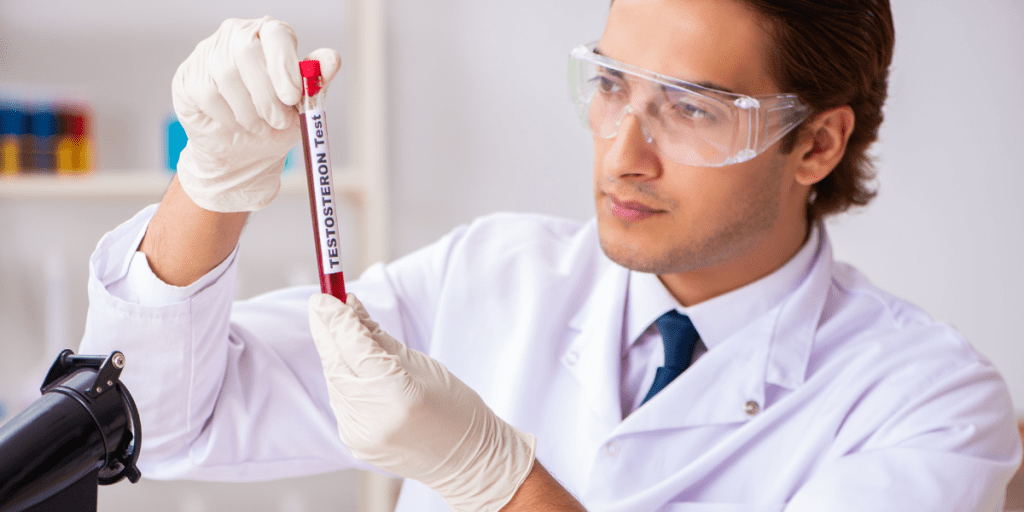
A testosterone test is a simple blood test that shows how much testosterone is in your body. It’s a useful tool that can help your doctor figure out if hormone levels are behind your symptoms. From there, they can recommend the best treatment or lifestyle changes to help you feel better.

Knowing your hormone levels gives you the power to take control of your health. If you’ve been feeling “off” and don’t know why, don’t ignore the signs—talk to your doctor and ask if a testosterone test is right for you. It’s a small step that could make a big difference in how you feel every day.

What Is Testosterone?

Testosterone is a key hormone that plays a big role in your body’s health. It helps with sexual development, builds muscle, strengthens bones, and supports both mental and physical well-being.

Although it’s often linked with male health, women also produce small amounts of testosterone—it’s important for everyone.

Most of this hormone is made in the reproductive organs:

  • In men, it’s produced mainly in the testicles
  • In women, it’s made in the ovaries

A small amount is also produced by the adrenal glands in both men and women.

How To Test Testosterone Levels

Testosterone moves through your bloodstream in two main ways:

  • Free testosterone – not attached to any proteins, and easily used by the body.
  • Bound testosterone – attached to proteins like albumin or sex hormone-binding globulin (SHBG), making it less available for immediate use.

Depending on your health and symptoms, your doctor might recommend one or more of these tests:

  • Total testosterone – measures both free and bound testosterone. It gives a general idea of how much testosterone is in your body.
  • Free testosterone – measures only the unbound form. This tells your doctor how much testosterone is immediately available for your body to use.
  • Bioavailable testosterone – includes both free testosterone and the testosterone loosely attached to albumin. Since albumin-bound testosterone is still fairly easy for the body to use, this test gives a more complete picture of the testosterone that’s actually active in your body.

When Is a Testosterone Test Needed?

If you’re experiencing certain symptoms, your doctor may suggest a lab test to check your hormone levels. For men, low testosterone is a common issue. Some signs to look out for include:

  • Low sex drive
  • Trouble getting or keeping an erection
  • Feeling tired or depressed
  • Problems with focus or memory
  • Reduced muscle strength or muscle loss
  • Difficulty having children (infertility)

Getting tested can help find the cause and guide the right treatment to help you feel better.

What You Need to Know Before a Testosterone Test

Testosterone levels are usually highest in the morning, so doctors recommend getting tested between 7 a.m. and 10 a.m. for the most accurate results.

What to Expect During the Test

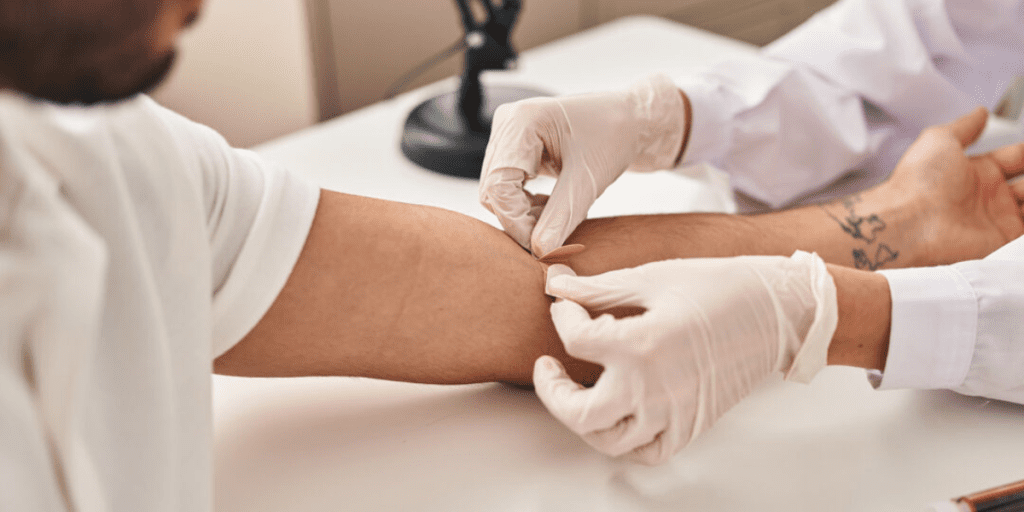
It’s a quick and simple blood draw from your arm. The whole process takes just a few minutes, and you can expect your results in a few days.

Understanding Your Testosterone Test Results

Your results will show your testosterone level in nanograms per deciliter (ng/dL). For men, a normal range is typically 300 to 1,000 ng/dL. If your levels fall outside this range, your doctor may recommend further testing or treatment options.

What If Your Testosterone Test Is Abnormal?

An unusual test result doesn’t always mean something is wrong. Hormone levels can change due to many reasons like stress, medications, or short-term health changes.

If your results are outside the normal range, your doctor might suggest more tests or take a closer look at your symptoms and medical history to better understand what’s going on.

At-Home Testosterone Tests: Do They Work?

You can use at-home test kits, but their accuracy isn’t always reliable. This can happen because of things like:

  • Samples getting damaged
  • Collecting the sample the wrong way
  • Different methods used by labs

For the most accurate results, it’s better to get a blood test done. This can be done easily at your doctor’s office or a nearby lab. Blood tests give more trustworthy and precise information to help with your health decisions.

Conclusion

If you’re feeling tired, low on energy, or noticing other changes, it might be due to low testosterone. Testing your testosterone levels is an easy way to find out if a hormone imbalance is causing these symptoms.

At MD Longevity, our experts are here to help. Book a full hormone check-up with us and get personalized advice to feel your best again.

Don’t wait to feel better call 888-545-3047 or 888-545-9147 to schedule your appointment today!

FAQS

1. How can I check my testosterone level at home?
You can buy an at-home testosterone test kit that uses a saliva or blood spot sample. Just follow the instructions and send it to a lab for analysis.

2. How do I know my testosterone level is low?
Low testosterone often shows fatigue, low sex drive, mood swings, or loss of muscle strength. A doctor’s test is the best way to confirm it.

3. What are average testosterone levels by age?
Testosterone levels are highest in your 20s and slowly decline after age 30. Normal ranges differ by lab but generally decrease as you get older.

4. How do I get my doctor to test my testosterone?
Talk openly with your doctor about your symptoms and ask for a testosterone blood test. They can order it if they think it’s necessary.

How Much Does Hormone Replacement Therapy Cost

How Expensive is Hormone Replacement Therapy

Hormone therapy costs are related to the types of pills or patches used, the frequency of using them, and whether your insurance provides any coverage. Bioidentical hormones may also be regarded, which are usually more expensive. With all those different options, it can be hard to keep prices straight. So knowing about the different expenses may be helpful before you come in for your first appointment. Planning is much easier and helps avoid any surprise bills.

Factors Influencing the Cost of HRT

Type of Hormones Used

Bioidentical ones are often seen as more natural, but they also tend to come with a higher price tag. It all depends on what your doctor recommends and what works best for your body.

How the Treatment is Given

No matter if you’re using pills, patches, creams, or hormone injections. Each method comes with its own price. Some options are cheaper but need more frequent use. But others last longer but cost more upfront. Picking the right one often comes down to comfort and budget.

Dose and Duration

Everyone’s hormone levels are different, so your dose might be higher or lower than someone else’s. More hormones usually mean higher costs. And since HRT is often used over a long period, monthly costs can add up if the treatment isn’t adjusted.

Where You Live

Location really matters. In big cities or private clinics, prices are often higher. This is different from smaller towns or public health centers. Even pharmacies in different areas can charge differently for the same medicine.

Doctor and Clinic Fees

The experience of your doctor and the type of clinic you visit can affect your total cost. Some clinics have full-service plans. These plans cover checkups. Other clinics charge for each visit separately.

Doctor and Clinic Fees

The experience of your doctor and the type of clinic you visit can affect your total cost. Some clinics have full-service plans. These plans cover checkups. Other clinics charge for each visit separately. 

Lab Tests and Monitoring

Doctors often do regular blood tests. They check your hormone levels to keep things safe and effective. These tests are very important. But, they can increase costs, especially if you need them often during your treatment.

What are the different types of BHRT?

Pills (Oral BHRT)

These are taken by mouth, just like any regular tablet. They’re simple to use and often a starting point for many people. But they pass through your digestive system. This can change how your body absorbs hormones.

Creams and Gels

There are applied onto the skin, generally on the arms or thighs. They’re nice and easy to use: an application will be absorbed slowly by the skin. Some people prefer it, as this way, the hormone skips the digestive route. 

Patches

Transdermal patches for a hormone replacement therapy will stick to your skin and will slowly release hormones into your body for some time. They are kind of maintenance-free and should be changed only every few days. Great to keep your hormone levels more even all day long.

Pellets

Tiny hormone pellets go just under the skin in a quick office procedure. They release a steady dose over a few months, so you don’t have to think about daily treatments. They can be more expensive upfront but super convenient.

Injections

The injections are given every few weeks, and higher doses of hormones are administered directly into the body. For some people who would rather have fewer treatments, injections are an option, but others find this method a bit off-putting due to the needles.

Vaginal Suppositories and Creams

Suppositories and creams are usually used in localized treatment for specific symptoms such as dryness and discomfort of the vaginal area. In general, these are drugs that act locally and are mostly spent by women in the menopausal transition.

Understanding Costs Based on HRT Delivery Options

Pills

Pills are usually one of the most affordable ways to get hormone replacement therapy. They’re easy to take and widely available. Which helps keep prices lower. But since you have to take them daily, the monthly cost can still add up over time.

Patches

Hormone patches cost more than pills, but they are really convenient. Just stick one on and forget about it for days. Some people prefer them because they offer steady hormone levels. The cost depends on the brand and how often you need a new one.

Creams and Gels

They are applied to the skin and absorbed by the body. This makes them an excellent option for those who hate swallowing pills. These have a reputation for being slightly pricier than pills, and they require daily application. Costs also depend on whatever dosage your doctor has prescribed.

Injections

Injections are powerful and long-lasting, but they usually cost more per dose. You may only need them every few weeks, which is a plus. You might also have to pay extra if your doctor administers them in the clinic.

Pellets

These tiny implants go under your skin and release hormones slowly over a few months. The upfront cost is higher because of the procedure, but they last longer than most other options. Some people like them for the low-maintenance benefit.

Vaginal Rings or Creams

For those who want more immediate relief, vaginals rings or creams are useful for treating local symptomatologies like dryness. They’re not usually expensive, with treatment costs and regular replacements being an ongoing expense.

Bioidentical Hormone Replacement Therapy (BHRT) Costs

Most people will find bioidentical hormone replacement therapy (BHRT) a natural option. Since it uses hormones that are similar to what your body makes, it is extra care and customization that comes at a price. In general, bioidentical hormones cost from $80 to $200, depending on dosage, pharmacy, and how the treatment is made. Because they are usually compounded in special laboratories, not all of them are covered by insurance. 

All of the above knowledge makes bio identical hormone replacement therapy cost the first information you should check before commencing therapy. Speaking with a provider would help decide what works best for health needs and budget.

Paying for HRT  Insurance or Out of Pocket?

Check What’s Covered First

Most insurance will not cover all hormone replacement therapies included in the catalog of benefits. While those that do may only carry some specific ones instead. It is a nice move to call the insurer and inquire about what they would be charged for the insured for such an occasion. 

Understanding Out-of-Pocket Expenses

In case of failure of a comprehensive insurance plan to compensate most of the HRT expenses, the uninsured part of the cost shall be self-financed.

Out-of-pocket expenses may arise from medications prescribed, doctor visitation fees, lab tests, and follow-ups to be undertaken.

Plans That Help Lower Your Costs

Some clinics sell packages. These include consultations, tests, and medications for one price. While not all plans are insured, they can reduce your overall out of pocket cost and make budgeting a bit easier.

Ask About Generic Options

Generic hormone treatments are often cheaper and more likely to be covered. Going generic can save you money, even if you pay out of pocket. You won’t lose quality or results.

Flexible Spending Accounts Can Help

If you have an HSA or FSA, you might be able to use it for your HRT costs. These accounts help you manage insured and out-of-pocket costs. They are especially useful if you plan your treatments in advance.

What Extra Expenses Come with HRT?

Initial Doctor Consultations

The commencement of hormone replacement therapy usually requires an initial thorough check-up and health assessment. Such first visits usually get on the higher end of the price range, particularly with a specialist. Not every insurance will even fully cover it, so it doesn’t hurt to ask beforehand.

Regular Blood Tests

For the sake of keeping hormone levels in check, the doctor might advise blood work every few months. However, these tests are extremely crucial in the treatment process and, if not covered, could prove to be costly. Think of them as routine maintenance to keep your HRT running smoothly. 

Follow-Up Appointments

HRT is not going to be just a one-do-it-and-done appointment; you will be coming back in to have a conversation about either some dosage adjustments or about how you are feeling. These follow-ups, being a small part of your schedule, may stack up over time into significant medical bills.

Custom Compounding Fees

If you’re using bioidentical hormones made just for you, the pharmacy may charge extra for the custom mix. These compounding costs aren’t usually included in the base price and are rarely covered by insurance.

Vitamins or Supplements

Some providers suggest adding vitamins or natural supplements to support your HRT. While not required, they can improve how you feel—but they also come with their own monthly price tag.

Lifestyle or Wellness Programs

Some facilities provide wellness add-ons like diet plans, stress relief coaching, or exercise programs alongside HRT. While some may find these extras beneficial, they are typically optional and not factored into regular HRT pricing.

Saving on HRT What You Can Do

Ask About Generic Options

Always check if a generic version of your hormone treatment is available. Generics work just like brand names but often cost way less. It’s a small switch that can make a big difference in your monthly bill.

Compare Pharmacy Prices

Since the prices of medications vary depending on locality, even if they refer to the same drug. For instance, consulting with phone pharmacies or doing online research would help to know the place closest to the cheapest options before making a purchase.

Use Discount Programs or Coupons

Websites like GoodRx and pharmacy discount cards can cut your costs, even without insurance. Some hormone brands also offer savings programs. It’s worth checking—sometimes the savings are surprisingly good.

Bundle Services at Clinics

Some clinics for hormone therapy offer packages that include labs, doctor visits, and medications. While bundling seems expensive at first, it could actually save you a good deal of money in the end. This is especially true if follow-up care is needed regularly.

Check Your Insurance Plan Closely

Even if you’re not sure HRT is covered, it doesn’t hurt to ask. Some plans only cover certain forms like patches or pills. Understanding your benefits could turn a high out-of-pocket cost into something more manageable.

Adjust Dosage with Your Doctor

If your hormone levels are stable, talk to your doctor about possibly lowering your dose. A smaller dose may still work well and reduce costs. But don’t make changes on your own—always get medical advice first.

Conclusion

Price for hormone replacement therapy can be pretty confusing. At the same time, it really serves well to have a simple understanding of it from the very beginning. You can guess how far prices fluctuate between types of treatments and to whether or not your insurance pays for it. The very good news? 

Cuts can be made in the expenses and actually have the treatment you need. No matter if you select traditional HRT or bioidentical options, it is very important that you discover what suits your health, lifestyle, and budget. Talk to your doctor, inquire, and consider every option before jumping in. The more you know, the easier it gets to make the right call for you.

Experience personalized care and advanced hormone therapy at MD Longevity. Call now to schedule your consultation: 888-545-3047 or 888-545-9147.

LED Light Therapy Treatment for Skin: What to Know

Tired of seeing fine lines, dull skin and signs of aging in the mirror? You’re not alone and there’s a powerful new way to fight back. Anti-aging light therapy is changing skin care. It provides a safe and non-invasive way to help you look younger and feel better. In this guide, we’ll look at how this new treatment works. We’ll also see why many people include it in their daily routine.

Why Are More People Turning to Red Light Therapy for Aging?

Improves skin tone and reduces wrinkles: 

  • Red light helps skin cells make more collagen. This keeps skin firm and smooth. So, it can prevent fine lines and other signs of aging. It can improve skin texture and even out complexion over time. This makes it a popular anti-aging treatment.

Boosts natural healing: 

  • Red light therapy has become popular as a treatment for all types of scars, cuts and sun damage. The light penetrates the skin and assists in rapid healing without pain or suffering.

Reduces joint and muscle pain: 

  • To reduce sore muscles and stiff joints, both athletes and older adults are such users of red light therapy. Its use can be a healthier method of reducing inflammation without having to take medications. With time and exposure, the therapy could gradually cause stiff joints to relax, thus, providing comfort in movements of daily life.

Safe and non-invasive: 

  • Unlike laser or surgical procedures, red-light therapy will not cut or burn the skin. It’s a gentle procedure you can do at home or in a clinic. There’s no downtime between sessions. Thus, it is a very practical choice for patients wanting gradual, yet visibly clear results.

Supports mental clarity and mood: 

  • Research suggests that directing red light to the forehead boosts energy and clears away brain fog. Some have reported it enhances concentration and promotes tranquility. It is now being assessed for curbing seasonal affective disorder symptoms.

Improves sleep cycles: 

  • Red light helps reset your sleep patterns. It boosts melatonin levels, so you fall asleep faster and stay asleep longer. This is also beneficial to those with irregularities.

Supports hormone balance

  • It serves therefore to ease the symptoms of menopause like hot flashes or mood changes, when given in association with progesterone in red light therapeutic processes. Above all, it cheered the body to produce hormones naturally as time passes.

Easy to add to daily routine: 

  • Devices for home use are now more affordable. A few minutes a day can bring visible results over time without stress or long appointments. It’s a low-effort addition that fits into most lifestyles with ease.

How Can LED Light Therapy Help Your Skin and Health?

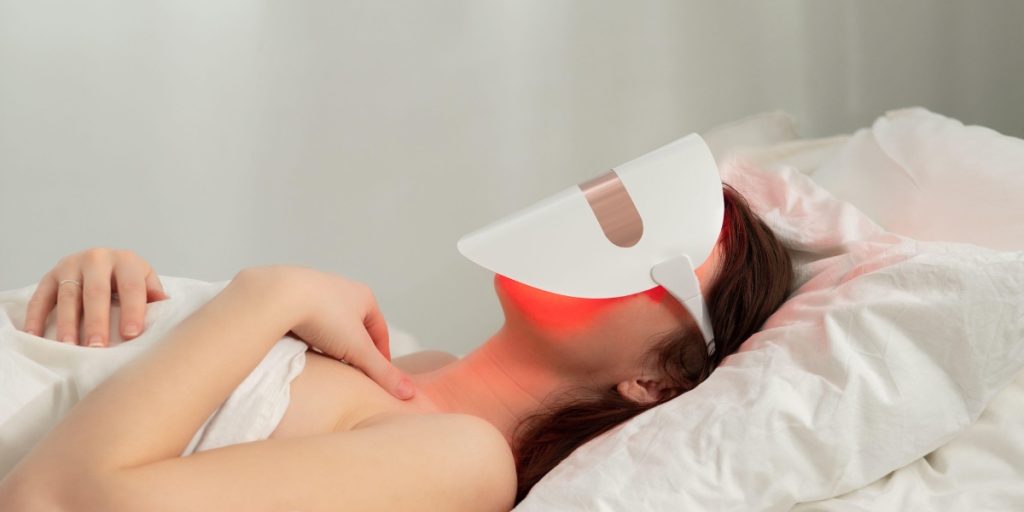
Low level wave LED light therapy helps with skin and bodily healing in a natural way. The red and near-infrared light penetrates deeply into the skin to increase blood flow, promote tissue recovery, and decrease inflammation. All this helps the skin produce collagen and elastin, which keep it firm and youthful. In this way, there is a reduction in acne, scars, and even dark spots. Session participants relax and feel greater energy, perhaps because of the light’s positive effect on brain health and general well-being. Gradually, with continued treatments, the skin looks better, circulation improves, and physical comfort is enhanced.

Is Red Light Therapy Safe to Use and Does It Actually Work?

The red light therapy is generally safe for almost everyone if applied in accordance with instructions. With any heat and no direct exposure to UV rays, the risks of skin injury are greatly reduced compared to treatments using UV rays. Studies recommend red light therapy for skin treatment, for pain relief, or simply to make one feel good-it is well used by health professionals in clinics. Many of these are home-use devices approved by health authorities. Just keep to instructions and do not overdo it. Too much light exposure will negate the benefits. When used appropriately, red light therapy supports and gradually improves the quality of health and appearance.

How soon can LED light therapy show results?

The results of red light therapy depend on how often and how consistently it is used. Some people notice small changes in skin glow or pain relief within one to two weeks. For deeper issues like wrinkles or long-term inflammation, you might need to wait four to eight weeks for clear changes. Regular use about 3 to 5 times per week is often recommended. Everyone’s body reacts in its own way. Most users feel better and notice improvements if they follow the routine for at least a month. Sometimes, results keep getting better after therapy ends. This happens because the body heals on its own.

Who should avoid LED light therapy?

While it is safe for most, red light therapy is not for everyone. One category of people is susceptible to the procedure due to different health conditions; for instance, one may have even some light-triggered epilepsy or migraines. Anyone on photosensitive drugs (i.e., meds that increase one’s sensitivity to light) like antibiotics and acne treatments should consult their physician prior to intervention. Pregnant women should err on the side of caution and also consult their doctor before starting. People with active skin infections, burns, or open wounds should also wait for complete healing before doing the procedures. In cases of certain eye disorders, individuals can undergo treatment only if protective eyewear is worn. Always consult with your CP prior to starting in order to avoid any side effects that may be seen as unexpected or undesirable.

What should I know before trying red light therapy?

Start with short sessions: 

  • Begin with 10 to 15 minutes per session. This helps your body adjust without overexposure or irritation. Slowly increasing your time helps you control how your skin reacts. Start slow to avoid sensitivity, especially if you’re new to light-based treatments.

Consistency matters more than intensity: 

  • It’s better to use a red light regularly than to do long sessions once in a while. Small steps bring big changes over time. Sticking to a routine helps your body respond naturally to the therapy. Missing sessions can slow progress and reduce visible results.

Keep your skin clean: 

  • Always clean your face or the area you’re treating. This allows better light absorption and improves the results. Dirt or oils can block light and reduce the effectiveness of the treatment. Use a gentle, non-oily cleanser before each session for the best results.

Follow the device instructions: 

  • Each red light tool has different power levels and timing. Use it exactly as directed to avoid harm and get the best outcome. Skipping instructions may cause delays in results or discomfort. Proper use ensures safety and long-term success.

Track your progress: 

  • Take photos or notes weekly. It helps you notice improvements and stay motivated through the process. It also provides helpful data if you choose to consult a professional. Documenting your journey can help you fine-tune your treatment plan.

Protect your eyes: 

  • Even though red light is generally safe, avoid looking directly into the device. Use eye protection if your treatment area is near the face. This prevents irritation or strain from repeated exposure.

Don’t mix with harsh skincare products: 

  • Avoid applying acids, retinol, or strong exfoliants before using red light therapy. These products can make your skin sensitive. They may cause redness or irritation during treatment.

Give your body rest days: 

  • Just like muscles need recovery after a workout, your skin also benefits from breaks. Use red light therapy 3–5 times a week and take at least one or two days off to allow your skin to rest and respond.

Choose quality over price: 

  • Not all red light devices are equal. Look for FDA-cleared tools with proven wavelengths between 630–850nm. A trusted device can make a big difference in your results and safety.

What Are the Benefits and Drawbacks of Red Light Therapy?

Benefits

Reduces fine lines and wrinkles

This also applies to boosting collagen and elastic tissue growth under the skin, which keeps the skin firm and gives it a more youthful look over the years. Reductions include crow’s feet, laugh lines and sadness. In addition, it hydrates and improves the texture of the skin, making it smooth and healthy.

Eases muscle and joint pain

Red light can alleviate swelling. It increases blood circulation and relieves pain without medication. This is good for people suffering from arthritis and chronic injuries. Many people say they heal more quickly after workouts and physical therapy.

Speeds up healing

Used by doctors to promote a healing process in wounds and scarring with reduced side effects compared to other methods. Reduces redness and promotes the growth of new tissue. Usually applied in acne spots, surgical scars, or minor burns.

Improves mental health

Research evidence suggests that use of red light reduces anxiety, depression and fatigue. This is through stimulating brain functions. It may also reduce symptoms of seasonal affective disorder. Regular sessions may help improve a person’s general mood and even normalize sleep cycles.

Supports hormonal balance and sleep

Red light therapy seems to alter melatonin levels necessary for sleep cycles. It’s also believed to enhance the changes occurring in the hormones of a woman during menopause. Good for women having problems with hormonal imbalance and sleeping disorders.

Drawbacks

Not a quick fix

Results may take several weeks or months to appear. It requires regular effort and patience. If you’re looking for instant changes, this may not be the best choice. People expecting overnight results might feel discouraged and give up too soon.

Cost of quality devices

High-end at-home tools or clinic visits can be expensive, especially for long-term use. Some cheaper models may also deliver weaker results. Budget devices often lack the proper wavelength and power needed for deeper benefits.

Not suitable for everyone

Certain medical conditions or those taking photosensitive medications make it an unsuitable product. Always seek advice from your physician before commencing a regimen. Side effects may occur after misuse. Sensitive individuals may develop either skin irritation or a headache.

Limited research for some uses

There is credible evidence supporting skin benefits and pain relief; however, claims such as ‘supports hormones’ were based on less conclusive evidence and must be treated with realistic expectations. Often, the salesperson’s hype has exaggerated the universality of benefits for which big science lacks.

Requires commitment and space

To see results, you need consistent use, and some devices can take up space in your home. This might not suit people with tight schedules or limited rooms. Skipping sessions can lead to slower results or minimal improvement.

How do I know if LED light therapy is a good choice for me?

For a gentle skin enhancement or some pain relief, try red light therapy; it can bring about a harmonious feeling during hormone fluctuations. To top it off, this therapy works beautifully for those preferring to stay off harsh treatments or intense medications. Many people suffering from menopause symptoms or skin aging and chronic muscle pains find help. 

Red light therapy may work if you face sleep challenges or energy issues. The best recommendation is to speak with a health professional whose advice assumes more weight if there are other health conditions or medications prescribed almost daily. Factors like personal health aspirations and lifestyle determine what is best.

Conclusion

Red light therapy just seems to be more popular nowadays, almost running hand in hand with the more traditional forms of progesterone treatment. Both ideas deal with balance, healing, and wellness. Red light therapy is actually a great way to non-invasively assist with skin, pain, and sleep functions, but it certainly isn’t the best answer for everyone. Instead, know how your body works, stick with it, and do what fits your lifestyle. With proper guidance and expectation management, red light therapy can definitely be a rather easy, if not powerful, adjunct to your daily health building life. However, more significant results could be seen when implemented with medical guidance and other adjuncts.

Contact MD Longevity today at 888-545-3047 or 888-545-9147 to see how we can support your path to better health.

What is Hormone Replacement Therapy for Men?

What is Hormone Replacement Therapy for Men

Hormone Replacement Therapy (HRT) for men is a medical treatment designed to restore the balance of hormones in the male body. As men age, particularly after the age of 30, their testosterone levels can decline, leading to various physical, mental, and emotional changes. These changes can manifest in symptoms like fatigue, decreased muscle mass, weight gain, depression, and a reduced libido.

Hormone Replacement Therapy aims to alleviate these symptoms by supplementing or replacing the hormones that the body is no longer producing in adequate amounts. This therapy is not limited to testosterone; other hormones may be involved depending on the individual’s needs.

Understanding Testosterone and Its Role in Male Health

Testosterone, the primary male sex hormone, is crucial for a range of functions in the body, from muscle growth and bone density to mood regulation and sexual function. It is produced primarily in the testes, though small amounts are also made in the adrenal glands. As men age, their testosterone levels naturally decrease, and this decline can lead to significant health issues.

Some of the most common symptoms of low testosterone include:

  • Fatigue and decreased energy levels
  • Loss of muscle mass and strength
  • Increased body fat
  • Reduced sexual drive and performance
  • Mood swings and depression
  • Cognitive decline

The impact of low testosterone on a man’s quality of life can be profound, but with the right intervention, these symptoms can be managed effectively.

What is Hormone Replacement Therapy (HRT) for Men?

Hormone Replacement Therapy (HRT) for men typically focuses on restoring testosterone levels to a more youthful state. This therapy aims to replace the hormones that are deficient, providing relief from symptoms and improving overall health. Testosterone replacement is usually achieved through various methods, including injections, topical gels or creams, pellets, and oral medications.

The goal of HRT is to bring the body back into balance, improving physical, mental, and emotional well-being. By restoring testosterone levels to normal, men can experience better energy, enhanced sexual performance, improved mood, and a more active lifestyle. HRT is a personalized treatment, and the method of delivery will depend on the individual’s health condition, preferences, and lifestyle.

Benefits of Hormone Replacement Therapy for Men

1. Enhanced Energy and Reduced Fatigue

One of the most noticeable benefits of Hormone Replacement Therapy is the improvement in energy levels. Many men report feeling more energetic and less fatigued after starting HRT. Testosterone plays a key role in maintaining overall energy, and restoring its levels can help men regain vitality.

2. Increased Muscle Mass and Strength

Testosterone is essential for muscle growth and strength. As testosterone levels drop with age, men may notice a decrease in muscle mass and an increase in body fat. By restoring testosterone, HRT can help reverse these changes, promoting lean muscle growth and increased strength.

3. Improved Sexual Health

Testosterone is crucial for maintaining sexual drive and performance. Low testosterone can lead to a reduced libido, erectile dysfunction, and difficulty achieving orgasm. Hormone Replacement Therapy has been shown to improve sexual function by restoring testosterone levels, allowing men to regain their desire and ability to perform.

4. Better Mood and Mental Clarity

Low testosterone levels are often linked to depression, anxiety, and irritability. Restoring testosterone levels through HRT can lead to improvements in mood, a reduction in feelings of sadness, and a clearer mental state. Many men report feeling more confident, focused, and emotionally stable once they begin treatment.

5. Enhanced Bone Density

Testosterone helps maintain bone density, and as levels decrease with age, men become more susceptible to osteoporosis and fractures. HRT has been shown to help preserve bone mass and reduce the risk of bone-related injuries. In some cases, it may even reverse the effects of osteoporosis.

6. Improved Cardiovascular Health

Testosterone plays a role in regulating red blood cell production, and it has been linked to better cardiovascular health. Some studies suggest that testosterone replacement therapy can help reduce the risk of heart disease by improving blood circulation and cholesterol levels, although more research is needed in this area.

Types of Hormone Replacement Therapy for Men

There are several methods through which testosterone can be delivered in HRT. The right choice depends on the individual’s needs, preferences, and medical history. Below are the most common forms of testosterone replacement therapy:

1. Testosterone Injections

Testosterone injections are one of the most common and effective ways to administer HRT. They are typically injected into the muscle every one to two weeks. Injections are often preferred for their direct impact on testosterone levels and their ability to provide a consistent, controlled dose.

2. Topical Testosterone Gels or Creams

Topical testosterone therapies are applied directly to the skin, usually on the shoulders, upper arms, or abdomen. These gels or creams are absorbed through the skin and into the bloodstream, providing a steady release of testosterone throughout the day. While they are convenient and easy to use, they require daily application, and there is a risk of transferring the hormone to others through skin contact.

3. Testosterone Pellets

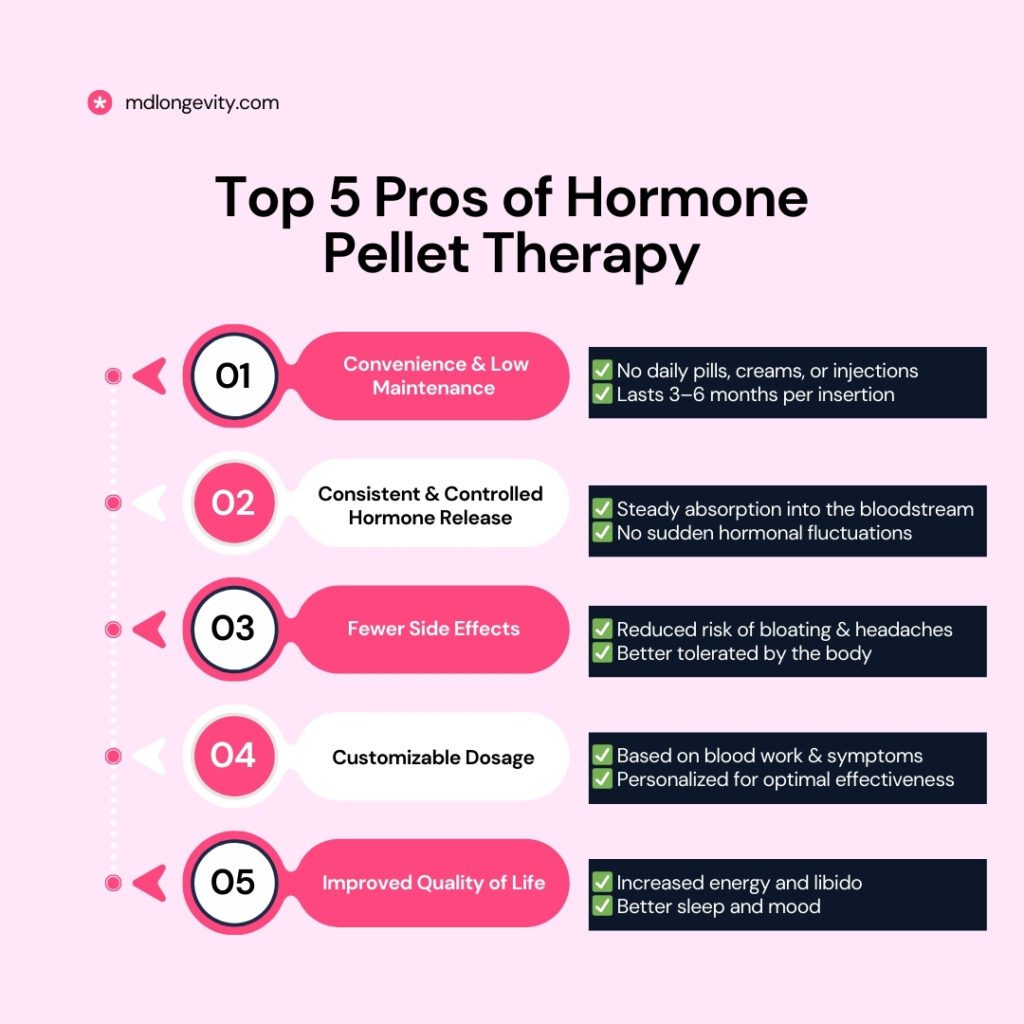
Testosterone pellets are small, rice-sized pellets that are implanted under the skin, typically in the hip or buttocks area. These pellets release testosterone gradually over time, and they can last for 3 to 6 months. This option is convenient for men who prefer not to deal with regular injections or topical treatments.

4. Oral Testosterone Medications

Oral testosterone medications are another option for hormone replacement therapy. However, they are not as commonly used as injections or topical treatments due to concerns over liver toxicity and inconsistent absorption. Oral tablets may be a suitable option for some men, but they are typically prescribed less frequently.

5. Transdermal Testosterone Patches

Testosterone patches are applied to the skin, similar to topical gels. The patch delivers a continuous supply of testosterone over a 24-hour period, providing a steady and controlled dose. They are usually applied to the back, abdomen, or upper arms. These patches are discreet and easy to use but may cause skin irritation in some individuals.

Potential Risks and Side Effects of Hormone Replacement Therapy

While hormone replacement therapy offers many benefits, it is important to be aware of the potential risks and side effects. Not all men are suitable candidates for HRT, and the therapy should only be initiated under the guidance of a qualified healthcare provider.

1. Prostate Health

One of the main concerns with testosterone replacement is the effect on prostate health. Testosterone can stimulate the growth of prostate tissue, and in men with existing prostate issues, this could potentially exacerbate conditions like benign prostatic hyperplasia (BPH) or prostate cancer. Regular screening for prostate health is essential for men undergoing HRT.

2. Cardiovascular Risks

Some studies suggest a potential link between testosterone replacement therapy and an increased risk of cardiovascular events, including heart attack and stroke. However, the evidence is mixed, and more research is needed to fully understand the long-term cardiovascular risks of HRT.

3. Blood Clots and Polycythemia

HRT can increase red blood cell production, leading to thicker blood and a higher risk of blood clots. Men on testosterone therapy may need regular blood tests to monitor their red blood cell count and ensure that their blood thickness is within a healthy range.

4. Sleep Apnea

Testosterone replacement may exacerbate sleep apnea in some individuals. Men who already suffer from sleep apnea should be monitored closely while undergoing hormone replacement therapy.

5. Acne and Skin Irritation

Some men may experience acne or skin irritation as a side effect of testosterone therapy. Topical treatments, in particular, may cause localized irritation or an allergic reaction. These side effects are generally mild and can be managed with proper care.

Is Hormone Replacement Therapy Right for You?

Deciding whether hormone replacement therapy is right for you involves a comprehensive evaluation by a healthcare professional. Men experiencing symptoms of low testosterone should undergo testing to measure their hormone levels. Based on the results, a doctor can recommend the most suitable course of treatment.

Before starting HRT, it’s essential to consider factors such as age, overall health, lifestyle, and personal goals. HRT is most beneficial for men who have clinically low testosterone levels and are experiencing related symptoms. However, not all men with low testosterone require treatment, and the decision should be made on an individual basis.

Conclusion

Hormone Replacement Therapy for men offers a powerful solution to the challenges associated with declining testosterone levels. By restoring hormonal balance, HRT can improve energy, muscle mass, sexual function, mood, and overall well-being. While there are risks and potential side effects, the benefits of testosterone replacement therapy often outweigh the downsides for many men. If you are experiencing symptoms of low testosterone, consult with a healthcare provider to determine if HRT is right for you and how it can help you reclaim a healthier, more active lifestyle.

Progesterone Hormone Therapy: Is it right for you?

Progesterone Hormone Therapy Is it right for you

Is your body sending confusing signals as you navigate through menopause or hormonal changes?

Progesterone hormone therapy might offer relief, but is it right for you?

From easing hot flashes to balancing mood swings, this treatment has helped many women reclaim their comfort.

But like any medical choice, it comes with risks and considerations.

Let’s explore whether progesterone therapy could be the solution your body needs—or a step to take with caution.

Do I Really Need to Take Progesterone?

Whether or not you need progesterone therapy depends on your unique hormones, medical history, and reproductive health. This hormone is needed to regulate the menstrual cycle, prepare the endometrium for the purpose of pregnancy, and maintain hormonal balance. For women in perimenopause or menopause, estrogen therapy is often counterbalanced with progesterone (if one still has a uterus) to mitigate the risk of endometrial cancer. Furthermore, progesterone is assessed for its ability to stabilize such symptoms as irregular periods, mood swings, or sleep disturbances to re-establish this important hormonal balance.

How Do I Know If I Should Take Progesterone?

Irregular Menstrual Cycles

Irregularities in cycles and spotting between the cycles could be signs of low progesterone levels in the body. Progesterone hormone is an essential hormone associated with ovulation and luteal phase maintenance of the cycle.

Sleep Disorders

Insomnia is an issue affecting many women in the climacteric change or menopause and related to endocrine changes. Progesterone, when balanced, has a soothing effect and promotes sleep.

Estrogen Replacement with a Normal Uterus

Women who take estrogens and have a uterus may be told to take progesterone to prevent endometrial hyperplasia and to decrease the risk of the cancers associated with it.

Severe PMS Symptoms or PMDD

These may be hormonal mood swings, irritability, and anxiety-imbalance conditions that could be treated with progesterone, which levels emotional disposition and alleviates distress during the premenstrual phase.

Unexplained Fertility Challenges

Low levels of progesterone could lead to irregular ovulation and poor quality of the uterine lining. Correcting this will better the chances of conception. 

Menopausal Hot Flashes and Mood Swings

Hot flashes, night sweats and mood swings are often associated with low progesterone. Therapy will relieve the symptoms dramatically. 

Wants To Avoid Side Effects

Testing and doctor supervision bear confirmation of the appropriateness of therapy. In this way, they also avoid common side effects associated with progesterone. Overall, it makes the process safer and more effective for you.

Who Shouldn’t Take Progesterone?

History of Blood Clots

Women with a past experience of deep vein thrombosis or pulmonary embolism should take precautions as adverse effects of progesterone increase clotting tendencies. So, administration should be under competent supervision.

Breast Cancer Diagnosis or High Risk

Current or previous diagnosis of breast cancer, particularly hormone-responsive types, generally do not do well with progesterone. Therefore, they are typically counseled against undergoing any progesterone treatment.

Uncontrolled Hypertension

Progesterone might further complicate heart conditions. It may elevate blood pressure, so uncontrolled hypertension would render it unsafe.

Liver Diseases or Impaired Liver Function

Progesterone is metabolized in liver. Therefore, liver abnormalities may hinder the breakdown of hormones and result in possible accumulation or development of adverse effects.

Unexplained Vaginal Bleeding

Bleeding without a known cause must be assessed before starting therapy. Progesterone may mask underlying conditions or aggravate them.

Migraine with Aura

Hormonal changes can worsen migraines, particularly in women with aura. This may make progesterone therapy risky for them.

History of Severe Depression

Some individuals with clinical depression find that hormonal fluctuations worsen mood disorders. Close psychological monitoring is essential in such cases.

Unauthorized Use During Pregnancy

Only a healthcare provider should recommend progesterone during pregnancy. Misuse may cause hormonal imbalance or adverse effects in both mother and fetus.

What Are the Risks of Hormone Replacement Therapy?

Rises in Risks for Breast Cancer

Breast cancer risk can be slightly increased through hormone replacement therapy (HRT) used for extended periods, especially estrogen, among older postmenopausal women.

Clots in the Blood and Heart Troubles 

Selective estrogen replacement therapies can increase the risk of heart attacks, strokes, or even deep vein thrombosis; in women above 60 years, this risk amplifies.

Gallbladder Issues

Hormone therapy users are significantly more prone to developing gallstones and seeking gallbladder removal. It is a concern and issue for long-term hormone replacement therapy.

Unbalance in Emotions 

HRT is associated with mood changes, irritability, and depression, most typically on initiation or adjustment in dosage. These changes are associated with variation in neurotransmitters.

Bloating and Fluid Retention

Some women on estrogen replacement therapy notice swelling or bloating. This happens due to hormonal water retention.

Headaches and Migraines

Hormones can aggravate an already present headache or trigger a new one, particularly among people who are sensitive to estrogen.

Interruption of Sleep Cycle

Some women report improvement in their sleep with HRT, but there is a contrary group that suffers from insomnia or restlessness on account of the therapy, especially during the transitional stages.

Endometrial Hyperplasia

Estrogen therapy alone can make the lining of the uterus thicker without progesterone. It produces a condition known as endometrial hyperplasia that can later lead to one type of uterine cancer.

What is the Main Disadvantage of Progesterone Only?

Irregular Bleeding or Spotting

Bleeding or spotting can be frequent with unpredictable onset and duration during the first few months of taking a progestogen only mini pill. It can be frustrating for women when their periods seem to appear at the most inconvenient times. 

Strict Dosing Window

A progestogen pill’s effectiveness may decrease by simple hours of delay in taking the pill therefore,  accuracy is necessary when taking the mini pill, with preferably no allowance for forgetfulness. Such strict observance of timing is hardly compatible with a busy or unpredictable schedule. 

Unpredictable Menstrual Cycles

It disrupts a woman’s natural rhythm keeping her oblivious about the next prospect. Technically, progesterone-only contraception can keep her period from coming at all or kick start an irregular, unpredictable thing that adds many minutes to calendar timing. 

Mood Swings and Anxiety

Some women experience heightened anxiety or fluctuations in their mood on progesterone methods. During the first months. There can be days when one feels perfectly fine, and there are days when one feels bizarre or cranky or out of sorts for no apparent reason. There is no fixed storyline in this. It all depends on how each woman reacts to it.

Development of Ovarian Cysts

Progestogen contraceptive pill may incite passive cystic entities in the ovaries produced and absorbed by the body’s complexity. While a pressure effect and slight pain may occasionally develop, rarely are these symptoms termed dangerous. Still, it is good to be aware in case one begins to feel something odd.

Acne and Skin Flare-Ups

If your skin happens to be acne-prone, progesterone-only pills may provoke even more breakouts. This is due to a slight androgenic effect of the hormone, which can create chaos for your skin. While it is a complaint that certainly cannot be generalized, some women strongly share this thought. 

Reduced Sexual Desire

The mini pill may cause a reduced libido and its effect is rather sneaky. It can work very subtly to throw intimacy feelings and even mood toward the partner off-balance. Not every woman experiences it, but it sure is worth keeping an eye on. 

Slower Return to Fertility

Once the injection of progestogen is stopped, there will be some delays in the recovery of ovulation. Some women are fast to bounce back, while some take a few months. Given the immediate plans for conception, this is somewhat disheartening.

Is Progesterone Hormone Therapy Safe?

Most of the time, hormone therapy with progesterone is considered safe under medical supervision. The safety of the procedure would depend on some factors. Including your age, health history, the type of progesterone being used and if other hormones are administered together with it. Natural or bioidentical progesterone options have lower tolerability when compared to synthetic options. 

For your safety, regular follow ups and symptom tracking on your part will help monitor your response. Mild side effects are common but serious repercussions seldom arise if used properly. Consult with a qualified healthcare provider before initiating therapy to determine your unique risks and benefits.

Conclusion

MD Longevity, progesterone hormone therapy can help many women ease symptoms caused by hormonal changes, especially during menopause or while on estrogen therapy. It may improve sleep, mood, and overall reproductive health. Like any treatment, it can have side effects and isn’t right for everyone. That’s why it’s important to talk to a doctor first. With proper medical advice, progesterone therapy can be a safe and helpful option for your health. For more information, call us at 888-545-3047 or 888-545-9147.

What Age Do You Stop Taking Hormone Replacement Therapy?

What Age Do You Stop Taking Hormone Replacement Therapy

Hormone replacement therapy (HRT) is a valuable mode of treatment in numerous women presenting with menopausal symptoms. As healthcare practitioners, we know that one of the most frequent queries made by patients is the period over which therapy is advisable. There is no general reply to the question, but multiple variables account for deliberations as to when HRT should be stopped.

The choice to stop hormone replacement therapy will be based on health conditions, symptom severity, and individual preference. The majority of the medical guidelines concur with the belief that HRT should be given only for the minimum duration required to treat the provided symptoms. However, this guideline has been transformed by increasing research and development for long-term risks and benefits.

The Traditional Approach to HRT Duration

HRT was once recommended to be stopped by all women after five years or on turning 60. This was owing to fears that extended hormone use might involve risks. The Women’s Health Initiative (WHI) study in the early 2000s aroused concerns regarding the likelihood of links between HRT and certain diseases, these were the reasons women justified using medications very cautiously.

The traditional approach focused on:

  • Using HRT primarily for symptom relief during the menopausal transition
  • Limiting therapy to 5 years when possible
  • Encouraging discontinuation before age 60
  • Gradually tapering doses rather than stopping abruptly

These guidelines were created with safety in mind, but did not account for the varied experiences of women with different health profiles and symptom severities.

Current Perspectives on HRT Duration

Research over the past decade has brought a more nuanced understanding of HRT’s risks and benefits. We now recognize that the timing of HRT initiation plays a significant role in its safety profile. The “timing hypothesis” suggests that starting HRT at menopause onset may carry fewer risks than beginning treatment years after menopause.

Current medical thinking emphasizes:

  • Personalized decision-making based on individual health profiles
  • Recognition that some women may benefit from longer treatment periods
  • Regular reassessment of benefits versus risks
  • Consideration of bone health and cardiovascular factors in treatment decisions

The North American Menopause Society states that there is no mandatory age at which HRT must be discontinued. Instead, the decision should be made through ongoing conversations between patients and their healthcare providers.

Factors That Influence When to Stop HRT

There are several factors that influence the timing of discontinuing hormone replacement therapy. They serve to make an individualized treatment duration instead of a one-size-fits-all policy.

Symptom Management

The primary indication of HRT is symptom relief related to menopause with a quality of life impact. As regards the duration of treatment, we consider the following:

  • Intensity of vasomotor signs (hot flashes and night sweats)
  • Impact on sleep quality
  • Disposition and cognitive consequences
  • The presence of genitourinary symptoms

Such symptoms usually continue for 7 to 10 years among many women, but for much longer among others. If symptoms recur on an attempt to stop HRT, further treatment can be considered if the benefit is greater than the risk.

Age Considerations

Age plays a significant role in HRT decision-making:

  • Women under 60 or within 10 years of menopause onset generally have a more favorable risk-benefit profile
  • The risk of certain conditions, like blood clots and stroke, increases with age
  • Women aged over 65 who take up HRT may be at an increased risk of complications, but age is not the only factor at play.

A 55-year-old with many other health issues that would make treating the symptoms particularly burdensome may be less likely than a healthy 65-year-old with overwhelming symptoms to want to continue therapy.

Health Risk Factors

Personal and family medical history strongly influences HRT duration decisions. We carefully consider:

  • Cardiovascular health markers
  • History or risk of breast, ovarian, or endometrial cancer
  • Blood clot risk factors
  • Liver function
  • Stroke risk
  • Bone density measurements

Women with osteoporosis or significant fracture risk might benefit from longer HRT use for bone protection, provided other health factors permit this approach.

Approaches to Discontinuing HRT

How people come off hormone therapy is important. Studies have found that people typically do better when they gradually taper off sedatives, as opposed to quitting cold turkey.

Gradual Reduction Method

We typically recommend:

  • Reducing estrogen dose by 25% every 4-8 weeks
  • Monitoring for symptom recurrence during tapering
  • Adjusting the reduction pace based on symptom response
  • Considering non-hormonal alternatives if mild symptoms return

This approach allows the body to adjust to changing hormone levels and minimizes the chance of severe rebound symptoms.

Monitoring During Discontinuation

During the tapering process, we monitor:

  • Return or worsening of vasomotor symptoms
  • Changes in sleep patterns
  • Mood fluctuations
  • Joint pain or stiffness
  • Signs of bone health changes

For some women, symptoms may return regardless of how gradually HRT is discontinued. We reassess the benefits and risks of resuming therapy at a lower dose in these cases.

Special Considerations for Different Types of HRT

The type of hormone therapy used affects discontinuation decisions and processes.

Combined Estrogen-Progestogen Therapy

Women using combined HRT (estrogen plus progestogen) who still have their uterus must consider:

  • The continued need for progestogen to protect against endometrial cancer
  • Possibly higher breast cancer risk with longer-term use compared to estrogen-only therapy
  • Different tapering approaches may be needed for each hormone component

Estrogen-Only Therapy

For women who have had hysterectomies and use estrogen-only therapy:

  • The risk profile differs from combined therapy
  • Some studies suggest longer use may be appropriate for certain women
  • Bone protection benefits may continue longer

Low-Dose Vaginal Estrogen

Women using low-dose vaginal estrogen for genitourinary symptoms have different considerations:

  • Systemic absorption is minimal
  • Treatment can often continue longer with fewer concerns
  • Regular reassessment is still recommended, but age cutoffs are less relevant

Beyond Hormone Therapy: Alternatives After Discontinuation

When stopping HRT, we often recommend alternative approaches to manage any recurring symptoms:

  • Lifestyle modifications encompass layering clothing and keeping hot flashes under thermal control.
  • Mind-body approaches like yoga, meditation, and CBT.
  • Non-hormonal treatment options for vasomotor symptoms include some classes of antidepressants and gabapentin.
  • Vaginal lubricants and moisturizers for urinary-genital symptoms.
  • Osteoporosis therapeutics in the case of accompanying osteoporosis.

These approaches can help maintain quality of life after HRT discontinuation, especially for women with milder recurring symptoms.

The Importance of Personalized Care

Perhaps the most important aspect of HRT duration decisions is their highly individual nature. We emphasize that:

  • Each woman’s experience of menopause differs
  • Risk-benefit calculations vary widely between individuals
  • Regular healthcare visits allow for ongoing assessment
  • Treatment plans should evolve as health status and research change

The question “What age do you stop taking hormone replacement therapy?” ultimately has no universal answer. Rather than focusing on a specific age cutoff, the decision should be based on a comprehensive evaluation of symptom burden, health status, and personal preferences.

Recent Research Developments

Ongoing research continues to refine our understanding of optimal HRT use. Recent studies have investigated:

  • The long-term impact of different HRT formulations
  • Genetic factors that might predict individual responses to therapy
  • Novel delivery methods that could alter risk profiles
  • Bioidentical hormone formulations and their safety profiles

This fast-changing research scene implies that what we suggest about HRT duration is found wanting, trending towards personal choice as opposed to any specific directive.

Making the Decision: A Collaborative Process

Deciding when to stop HRT works best as a shared decision-making process between patients and healthcare providers. We recommend:

  • Annual reassessment of symptoms and health status
  • Open discussions about changing personal preferences
  • Consideration of new research findings
  • Exploration of concerns about continuing or discontinuing therapy

This collaborative approach ensures that women feel empowered in making choices about their menopausal health management.

Conclusion

When should Hormone Replacement Therapy be stopped? Rather than continuing to concentrate on an arbitrary age, the decision should be guided by a comprehensive assessment of individual health status, symptom severity, and personal preference. 

Now, most experts advise a customized approach instead of an age-based cutoff. For many women, there may be slow tapering till ages 50-60, but some others might be helped by a longer treatment, particularly if they have persistent severe symptoms or a high risk for osteoporosis.

Regular healthcare visits can be used to monitor the ongoing balance of the benefits and risks from HRT. Working in partnership with their healthcare provider and remaining knowledgeable on advancing research will give women confidence in their HRT decisions that optimize their overall health and quality of life during and beyond the menopausal years.

Pros and Cons of Hormone Pellets: A Comprehensive Guide

Pros and Cons of Hormone Pellets

Hormone Replacement Therapy (HRT) has become a leading solution for individuals dealing with hormone imbalances. One increasingly popular method of HRT is hormone pellet therapy. Hormone pellets are small, rice-sized implants that are placed under the skin, releasing consistent doses of hormones over time. Whether you’re considering hormone pellets for menopause, testosterone replacement therapy, or other hormonal imbalances, understanding the pros and cons of hormone pellets is crucial to making an informed decision.

We will explore the benefits and challenges of hormone pellet therapy, shedding light on whether it is the right treatment for you. At MD Longevity, we specialize in providing personalized HRT solutions, including hormone pellet therapy, tailored to meet your specific needs.

What Are Hormone Pellets?

Hormone pellets are small, bioidentical hormone implants that are inserted under the skin. The pellets slowly release hormones into the bloodstream, providing a steady, controlled dose over time. These pellets are typically made from plant-based sources and contain hormones like estrogen and testosterone, which are identical to those produced by your body.

Hormone pellet therapy is often used to treat conditions such as:

  • Menopause symptoms in women include hot flashes, night sweats, and mood swings.
  • Testosterone deficiency in men leads to symptoms like fatigue, low libido, and decreased muscle mass.
  • Hormonal imbalances in both men and women may lead to mood swings, fatigue, and other physical symptoms.

Pellets are usually inserted under the skin, typically in the hip area, in a quick and minimally invasive procedure performed in the office. The hormone pellets gradually dissolve over the course of three to six months, releasing hormones steadily into the bloodstream to help balance hormone levels.

Pros of Hormone Pellets

1. Convenience and Low Maintenance

One of the major advantages of hormone pellet therapy is its convenience. Once the pellets are inserted, they release hormones steadily for several months. This eliminates the need for daily applications of creams, gels, or frequent injections, making it an excellent option for those who struggle with the hassle of remembering daily doses.

Unlike other forms of HRT, such as oral tablets or topical treatments, hormone pellets offer a set-it-and-forget-it solution. Most patients only need to visit their healthcare provider every three to six months for a new pellet insertion, making it much easier to maintain a consistent hormone balance.

2. Consistent and Controlled Hormone Delivery

Hormone pellets provide consistent hormone delivery over time. Unlike oral or topical forms of HRT, which can fluctuate in their effectiveness depending on absorption, pellets deliver a steady, controlled release of hormones directly into the bloodstream. This means there is less risk of hormonal fluctuations, providing a more stable and reliable treatment.

The steady release of hormones through pellets can help prevent the “spikes and valleys” often experienced with other methods. For example, some patients report feeling more balanced and stable with hormone pellets than with other forms of HRT.

3. Reduced Risk of Side Effects

Many people experience unwanted side effects from traditional forms of hormone replacement therapy, such as bloating, headaches, or nausea. Because hormone pellets are inserted under the skin and release hormones gradually, they are often better tolerated by the body, reducing the risk of common side effects.

Additionally, because the pellets provide a constant level of hormones, patients are less likely to experience the ups and downs associated with oral or topical hormone treatments, which can sometimes lead to side effects like mood swings or irritability.

4. Customizable Dosage

One of the most appealing aspects of hormone pellet therapy is its ability to be customized to fit the individual’s needs. At MD Longevity, our team of experts works closely with each patient to develop a treatment plan that is tailored to their specific hormonal profile.

Hormone pellet therapy allows for precise dosing, which can be adjusted based on blood work and symptoms. This means you can receive the exact amount of hormones you need, minimizing the risk of over- or under-dosing, and optimizing treatment effectiveness.

5. Improved Quality of Life

Many patients report a significant improvement in their overall well-being after starting hormone pellet therapy. By stabilizing hormone levels, hormone pellets can help alleviate common symptoms of hormonal imbalance, such as:

  • Increased energy levels
  • Enhanced mood and emotional well-being
  • Better sleep quality
  • Improved sexual function

Hormone pellet therapy is effective in reducing symptoms of menopause in women and low testosterone in men, leading to improved quality of life and better overall health.

5 Pros of Hormone Pellet Therapy

Cons of Hormone Pellets

While hormone pellets offer many benefits, it’s important to weigh these advantages against the potential drawbacks. No treatment is without risks, and understanding the cons of hormone pellet therapy will help you make an informed decision.

1. Insertion Procedure Can Be Uncomfortable

The procedure to insert hormone pellets requires a small incision in the skin, which is typically done under local anesthesia. While the procedure is quick and minimally invasive, some patients experience mild discomfort or bruising at the insertion site.

Although the discomfort is generally short-lived, it’s important to consider this before opting for pellet therapy. Most patients find that the benefits far outweigh the initial discomfort, but it’s still a factor to keep in mind.

2. Risk of Over- or Under-Dosing

Like any form of hormone therapy, there is a potential risk of over- or under-dosing with hormone pellets. This can occur if the pellets are not correctly tailored to the patient’s individual needs.

Overdosing can result in symptoms such as mood swings, irritability, or weight gain, while under-dosing may not effectively alleviate symptoms of hormonal imbalance. This is why regular follow-up visits with a healthcare provider are crucial to ensure the correct dosage.

3. Pellet Migration or Expulsion

Although rare, there is a possibility that the hormone pellets can migrate or be expelled from the body. In some cases, the pellet may shift from its original location under the skin, leading to discomfort or complications. If the pellet becomes dislodged, it may need to be surgically removed.

Additionally, some patients may experience the pellet being expelled from the body if the insertion site doesn’t heal properly. These situations are uncommon, but they can occur.

4. Cost and Accessibility

Hormone pellet therapy can be more expensive than other forms of hormone replacement therapy. Pellets themselves can be costly, and many insurance plans may not cover the treatment. The cost of the initial procedure and the need for regular insertions can add up over time.

It’s important to discuss the financial aspects of hormone pellet therapy with your healthcare provider and ensure that it fits within your budget. At MD Longevity, we work with patients to explore affordable options and ensure that our services are accessible.

5. Limited Long-Term Studies

Although hormone pellet therapy has been used for decades, there are still limited long-term studies on its effectiveness and safety. While the treatment has shown promising results in the short-term, some individuals may be concerned about the lack of long-term data. However, many patients have found hormone pellet therapy to be a safe and effective solution for managing their hormone levels.

5 Cons of Hormone Pellet Therapy

Who Should Consider Hormone Pellet Therapy?

Hormone pellet therapy may be a great option for individuals experiencing hormonal imbalances related to menopause, andropause, or other conditions caused by low hormones. It’s especially suitable for those looking for a low-maintenance, steady, and customizable treatment solution.

Ideal candidates include:

  • Women in menopause seek relief from hot flashes, night sweats, and mood swings.
  • Men with low testosterone who want to restore their energy, libido, and muscle mass.
  • Individuals who are not satisfied with the results of oral or topical HRT treatments.

At MD Longevity, our team of experts will assess your specific needs and help determine whether hormone pellet therapy is the right choice for you.

How MD Longevity Can Help

At MD Longevity, we specialize in providing personalized, state-of-the-art hormone replacement therapy, including hormone pellet therapy. Our experienced team of healthcare providers takes the time to understand your health needs and customize a treatment plan specifically for you.

We offer comprehensive consultations, personalized treatment plans, and continuous support throughout your HRT journey. Whether you are considering hormone pellets or exploring other HRT options, we are here to guide you every step of the way.

Contact us today at MD Longevity to schedule your consultation and take the first step towards achieving a balanced and healthier life.


Conclusion

Hormone pellet therapy offers many potential benefits, including convenience, consistent hormone delivery, and improved quality of life. However, like any treatment, it comes with its own set of risks and challenges. By carefully weighing the pros and cons of hormone pellets, you can make an informed decision about whether this treatment is right for you.

If you’re considering hormone pellet therapy, it’s important to consult with a healthcare provider to determine if it aligns with your health goals. At MD Longevity, we’re committed to providing personalized care to help you achieve optimal health. Reach out today to learn more about our hormone therapy services and how we can support you on your wellness journey.

References:

  1. https://menopause.org/patient-education/menopause-topics/hormone-therapy
  2. https://www.healthline.com/health/testosterone-pellets
  3. https://endocrinenews.endocrine.org/targeting-patients-with-pellets-a-look-at-biodentical-hormones/
  4. https://www.medicalnewstoday.com/articles/hormone-pellet-therapy-for-menopause