 About Dr. Ann Peters

Dr. Ann J. Peters is a highly respected expert in longevity and anti-aging medicine, dedicated to helping people look and feel their best while living longer, healthier lives. With medical training from renowned institutions such as Cornell Medical Center and Harvard School of Public Health, Dr. Peters has built a career focused on providing personalized care to each patient. She is a member of prestigious organizations like the American Academy of Anti-Aging Medicine and the European Academy of Quality of Life and Longevity Medicine. Dr. Peters combines her extensive medical expertise with a commitment to evidence-based treatments, ensuring that each patient receives the best possible care. Her approach includes customized programs that focus on hormone balance, nutrition, exercise, and other therapies designed to improve overall well-being and support a healthy, vibrant life.

Signs Of High Testosterone In A Man

In males, high testosterone levels can cause changes in their mood, increased growth of body hair, high sex drive, and more.

Testosterone is a male sex hormone. It shapes many aspects of a man’s health, from mood and energy to muscles and libido. But when a man’s testosterone levels increase from the normal range, it can have noticeable effects. In this post, we’ll discuss the signs of high testosterone in men, exploring both physical changes and internal effects. 

Why You Should Care

Most people think that high testosterone in men is automatically a good thing. After all, higher testosterone levels are linked to men’s strength, confidence, and drive. But in reality, it is not like that. 

Just like any other biological system, balance is important. Low amounts of testosterone can drain your energy and mood, but too high amounts can bring unwanted side effects. That’s why recognizing the signs of high testosterone levels is important for you. They let you know that something in your hormone balance may need attention.

Physical Signs of High Testosterone in a Man

Men with high testosterone often see the following physical signs:

Rapid Muscle Gains & Lean Body Composition

One of the most obvious physical signs of high testosterone in a man is sudden muscle growth. The T hormone fuels protein synthesis and muscle repair, which results in rapid muscle growth. 

Look at yourself in the mirror. Are your clothes fitting differently? A sudden increase in your lean muscles and a drop in fat without any changes in diet or exercise also indicates an increase in testosterone. It might seem like a benefit to you, but it is worth noting.

Unlike normal bulking, this muscle increase happens quickly. At the same time, body fat usually drops. So, if you notice any kind of rapid muscle gain or loss in body fat, your testosterone levels may be high.

Excessive Body or Facial Hair

Facial and body hair are often associated with masculine traits. But when they grow more densely or grow very fast, it is one of the solid signs of high testosterone levels. Many men notice thicker body and facial hair, like arm hair and beards, that grow very quickly (appearing seemingly overnight).

Oily Skin & Acne Breakouts

Excess testosterone can also overexcite oil glands, which leads to oily skin. Oily skin can clog pores, so acne is common. It often appears on the face, chest, or back. These stubborn breakouts are not occasional like normal acne, but quite persistent ones.

Shrinking Testicles & Fertility Changes

Another common high testosterone symptom in men is physical changes in the reproductive system. It may sound a bit strange, but one with high T levels experiences smaller testicles. 

When the body senses too much testosterone, it suppresses its production, leading to testicular atrophy (shrunken testicles) and lower sperm count. 

Enlarged Prostate or Urination Issues

Prostate health is closely tied to hormone balance. An enlarged prostate is another red flag. Too much testosterone can enlarge the prostate. It causes urinary issues like frequent urination, weak urine flow, or the constant urge to go.

Doctors note that men with very high testosterone may show signs like having low sperm counts and prostate enlargement.

Emotional & Behavioral Signs of High Testosterone in a Man

Excess testosterone affects the brain too, leading to visible changes in emotions and behavior.

Heightened Confidence & Aggression

Men with high T levels often feel sharper shifts in mood. One of the common signs includes sudden aggression or irritability. For example, you might get annoyed at small things or take more physical risks in sports or driving. This is because testosterone can heighten your risk-taking and competitive behavior.

Some of the medical sources list “aggressive or risk-taking behaviors” explicitly as a symptom of very high testosterone in men. You may also notice dramatic mood swings. One day you might feel on top of the world, the next day restless or anxious. This volatility itself is a high testosterone symptom.

Elevated Libido or Sexual Energy

High testosterone can also amplify your confidence and libido. It is a typical symptom of increasing testosterone. You may feel unusually bold, ambitious, or sociable. Your sex drive might hit an all-time high.

For instance, your interest in sex and frequency of sexual thoughts can increase markedly. A high sex drive is common with elevated testosterone.

Sleep Disturbances & Restlessness

Some men describe insomnia or disrupted sleep as a clue. They lie awake, racing with thoughts or energy. 

Since testosterone can boost energy levels, it can also interfere with your sleep. If you are restless at night and keep turning and tossing all night, it might be due to high testosterone.

Other signs of high T in Men

Here are some other medically recognized signs of high testosterone in men that are worth paying attention to:

  • Blood pressure changes 
  • Increased red blood cell production
  • Unexplained headaches
  • Swelling of legs or feet
  • High cholesterol or liver strain
  • Excessive sweating
  • Changes in body odor

Can High Testosterone Cause Hair Loss?

A very common question most men ask is, “ Can high testosterone cause hair loss?” The answer is both yes and no. Testosterone does not directly cause hair to fall out. It converts into another hormone called DHT (dihydrotestosterone). 

Men who are genetically sensitive to DHT can experience male pattern baldness as the follicles shrink. Research notes that “high levels of DHT may have a higher chance of hair loss,”  but this is not directly linked to testosterone levels. 

That said, extremely high testosterone can shorten the growth phase of hair. If you think your hair loss is related to hormonal changes, you should get tested. But in general, hair loss is mostly affected by genetics rather than high testosterone.

What Causes High Testosterone in Men?

You can manage and prevent the symptoms of high testosterone by understanding the main cause.

  • Anabolic steroids or testosterone supplements – These are used for bodybuilding or performance. These can increase testosterone far beyond normal levels.
  • Hormone-producing tumors – Rare growths in the testes or adrenal glands may spark uncontrolled hormone release.
  • Genetic factors – Some men, due to their genes, naturally run on the higher side of the T spectrum.
  • Lifestyle changes – Major shifts in diet, training intensity, stress, and sleep can temporarily boost your testosterone levels.
  • Prescription hormones (TRT) – These are used to treat the low levels of testosterone. But in some cases, they can also overshoot the ideal range if not carefully monitored.
  • Endocrine disruptors – Certain chemicals in plastics and personal care items may throw off your hormone balance, up or down.

How to Treat High Testosterone in Men

The treatment of high testosterone depends on the cause. Some of you may need medical treatment, while others can normalize it with simple lifestyle changes. Here are the most common ways of treating it:

Stop or Adjust Testosterone Supplements

If you are taking any anabolic steroids or testosterone replacement therapy (TRT), you can consult your doctor to stop it or adjust the dosage. This is often the quickest way to lower your testosterone levels back into a healthy range.

Medication

Doctors may prescribe you medicines that block testosterone or lower DHT production. It is specifically if you are dealing with symptoms like acne, prostate enlargement, or hair loss caused by high levels of T. Some of the common medications include:

  • Anti-androgens (e.g., spironolactone)
  • GnRH analogs (for more severe cases)
  • 5-alpha reductase inhibitors (to reduce DHT levels)

Treat the Root Cause

If the cause of your high testosterone is due to a tumor (in the adrenal gland or testicles), surgery or radiation may be required. Treating the root cause often restores the hormonal balance.

Lifestyle & Diet Adjustments

For mild cases, your doctor may recommend natural strategies to regulate your hormone levels:

  • Reducing high-intensity workouts temporarily
  • Cutting down on red meat, saturated fat, and sugar
  • Avoiding over-supplementing with zinc or DHEA
  • Managing stress through mindfulness or therapy
  • Getting better sleep (at least 7 to 8 hours every night)

When to See a Doctor

If you observe any of the two or more of the following signs in your body, you should see a doctor. 

  • Rapid muscle growth or fat loss without changing your diet or training
  • Persistent acne, oily skin, or aggressive breakouts
  • Sudden mood swings, aggressive behavior, or sleep problems
  • Testicular shrinkage, fertility concerns, or frequent nighttime urination
  • Family history of prostate issues or sudden hair loss

Your doctor can run different tests and, depending on the results, will recommend the most effective treatment.

Bottom Line

Testosterone plays a very important role in a man’s body. And of course, more is not always good. High levels of testosterone in your body can lead to physical, emotional, and even reproductive changes. Some of them may feel like benefits to you in the beginning. But, they can quickly become uncomfortable and harmful if you ignore them.

If you suspect your hormone levels are off, don’t wait. At MD Longevity, we specialize in advanced hormone testing and personalized treatment plans to help you restore balance and feel your best.

Visit MD Longevity or call us at 888-545-3047 or 888-545-9147 to speak with a hormone health expert today.

List Of FDA-Approved Bioidentical Hormones

The need for FDA-approved bioidentical hormones is a game-changer in medicine because they are created to closely resemble the hormones naturally found in the human body. Unlike synthetic alternatives, which work to simulate the function of hormones, bioidentical hormones have the same molecular structure as natural hormones, so they may offer fewer side effects and better tolerance.
Scientific research will continue to develop new options for hormone therapy, but the pathway to US approval by the Food and Drug Administration (FDA) is critical to ensure the safety and efficacy of these treatments. This approval enables patients to make better-informed healthcare decisions in the context of appropriate medical supervision.
The U.S. Food and Drug Administration (FDA) has authorized some bioidentical hormones for the treatment of menopausal symptoms and hormonal disorders. These hormones come in different formulations and routes of delivery. Below is a list of FDA-approved bioidentical hormones:​

Estradiol:

Estradiol is the most commonly prescribed hormone from the list of FDA-approved bioidentical hormones. It is available as patches, gels, sprays and tablets. It helps with menopause symptoms and prevents bone loss in women with low estrogen. It is commonly recommended for women who have hot flashes, night sweats, and vaginal dryness. Regular monitoring is needed to adjust the dosage and ensure effectiveness.

Progesterone:

Micronized progesterone, taken as a pill, is approved by the FDA (like Prometrium). It is important for women with a uterus who need hormone treatment. This hormone helps protect the uterus from the effects of estrogen therapy. It also supports better sleep and may help reduce mood swings in some women. FDA approval ensures consistent dosage and quality in each pill.

Testosterone:

Testosterone is mainly for men with low levels, but some women may also need it. The FDA has approved bioidentical testosterone in gels, patches, and injections. Taking the right dose helps avoid side effects and makes sure it works properly. In women, it may be used to treat low libido or fatigue. Long-term use should be supervised by a healthcare provider to prevent hormonal imbalance.

Estrone:

This estrogen occurs naturally and is approved by the FDA. It is used in hormone therapy to help balance the body’s hormone levels. It works best when combined with other hormones for proper body function. Its use is typically targeted toward postmenopausal women. Estrone plays a role in maintaining bone density and metabolic balance.

Estriol:

The FDA approves estradiol for some combination medicines. It is a gentle type of estrogen used for certain treatments. This helps with symptoms while avoiding strong estrogen effects. Estriol is considered to have a lower risk profile than stronger estrogens. It is often included in therapies for vaginal atrophy and urinary symptoms.

Estradiol/Progesterone combinations:

Some medicines have both bioidentical estradiol and progesterone. The FDA has approved these combined medicines. They make it easier for patients to take both hormones together. This combination offers balanced hormone replacement and reduces the risk of endometrial complications. It simplifies treatment for women requiring both hormones.

Vaginal estrogen preparations:

The FDA has approved some medicines that contain both bioidentical estradiol and progesterone. These medicines make it easier for patients who need both hormones. They are included in the list of FDA-approved bioidentical hormones. They are typically used for local symptoms like dryness and irritation. These products deliver hormones directly where needed with minimal systemic absorption.

Biest and Triest formulations:

Some FDA-approved medicines combine bioidentical estrogens like estradiol and estriol. These help create a balanced way to replace hormones. They aim to mimic the body’s natural hormone ratio more closely. These blends are sometimes used in personalized therapy plans.

Transdermal Estradiol Sprays and Gels:

They come in sprays and gels, and the FDA-approved bioidentical estradiol in these forms. These preparations can be applied to the skin, where they are by default absorbed directly into the bloodstream, to provide a convenient and steady hormone delivery. They bypass the liver reducing the risk of liver-related side effects. Application areas are usually the inner arm or thigh.

Progesterone Vaginal Inserts:

Many FDA-approved bioidentical progesterone formulations are present today in form of vaginal inserts or gels, with the major emphasis being on fertility treatment or progesterone replacement intended to provide local hormonal support. Beneficial for women undergoing IVF or having progesterone deficiency, the inserts allow direct absorption into the system, providing more active hormone delivery than oral medications. 

Estradiol Vaginal Rings:

Estradiol is sold as a ring with FDA approval for use. The type of delivery allows continuous release of the hormone, and this treatment is often used for vaginal dryness and symptoms associated with menopause. Usually, the ring is used for 3 months and exchanged as needed, which is a fairly hands-off, low-maintenance, continuous delivery option.

Estradiol Tablets for Oral Use:

FDA oral tablets are a convenient route of administering bio-identical estradiol. Most often, they are used in alleviating menopausal symptoms and for balancing hormone levels. They are easy to take and have been prescribed freely by doctors. Regular blood tests may be required to determine hormone levels during use.

FDA Approved Specific-dose Combinations:

Some FDA-approved therapeutics present fixed-dose combinations of estradiol and progesterone for some clinical purposes, but still ensure safety and consistency. Such formulations are designed for women who require detailed hormone balancing. They give a specified course of action, as compared to compounded hormone therapies.

Ethinyl Estradiol (for some FDA-approved bioidentical preparations):

A sort of FDA-approved hormone treatment can be classified as bearing some connection to ethinyl estradiol in cases where ethinyl estradiol and other hormones enter into a specific FDA-controlled combination. These are alleged to support estrogen levels in a controlled way and based on clinical testing. 

Combined Hormone Patch:

Some patches approved by the FDA combine bioidentical estradiol with other hormones such as norethindrone acetate, providing a low-maintenance option with predictable dosing for those needing hormone support. These patches provide continuous release of hormones through the skin. They are a popular choice for women looking for a hands-off, daily routine.

Role of FDA in Bioidentical Hormones

  • The FDA thoroughly tests all hormones for safety, effectiveness, and proper dosing before approval. Ensuring FDA-approved HRT meets strict quality standards for patient safety.
  • Manufacturing facilities producing FDA-approved hormone therapy. Undergo regular inspections to verify consistent quality and purity in every batch of medication.
  • The FDA requires clear labeling of all potential risks and benefits. It will help patients and doctors make informed decisions about bioidentical hormone replacement options.
  • After FDA approval, hormone therapy is still monitored for safety. Any reported side effects are tracked and investigated.
  • The FDA recognizes approved bioidentical hormones as safe and tested. However, compounded versions are not tested as strictly for safety and consistency.

Benefits of Using FDA-Approved Bioidentical Hormones

  • Consistent potency and dosing in every FDA-approved treatment ensures patients receive exactly the hormone amount prescribed by their doctor.
  • Rigorous clinical testing confirms both the effectiveness and safety profile of each approved hormone formula for specific health conditions
  • Clear labeling of risks and benefits helps patients and doctors weigh treatment options with complete information about FDA-approved medications.
  • Manufacturing standards guarantee purity and freedom from harmful contaminants that might appear in unregulated hormone products.
  • Insurance coverage is typically more accessible for FDA-approved hormone therapies compared to non-approved alternatives.

Bioidentical Hormones: Are They Safer Than Other Hormones?

Bioidentical indeed would not mean safer than synthesized hormones. Mostly, the FDA-approved bioidentical hormone replacement therapy provides possible alternatives often very similar to the physiological human hormone structure within the possible limit. Hence, it was theorized that these structures might reduce some side effects and complement the absorption of the hormones in the body. The safety profile is determined through various parameters, including dosage, route of administration, history of health, and duration of therapy.

Compounded Bioidentical Hormones: What to Watch Out For

FDA-approved bioidentical hormone replacement therapy does offer reliable and tested options, whereas compounded hormones bring a completely different story. Compounded formulations, hormones specifically made for an individual by a specialty pharmacy, are not approved for safety, efficacy, or manufacturing quality by the FDA. Moreover, many of their claims exceed what research substantiates, particularly claims for safety. FDA-approved formulations are those that have undergone rigorous testing and for which safety information is provided. By contrast, compounded alternatives may contain the same active ingredient, but the quality assurance is most likely lacking.

Conclusion

Navigating the course of hormone replacement therapy entails careful consideration of safety and effectiveness. FDA-approved bioidentical hormones are well-regulated for patients who require hormone therapy with pre-measured doses and known safety profiles. This means that they offer hormone structures identical to those of human hormones, but also need proper medical supervision with individual treatment plans.

The difference between the FDA-approved products and compounded ones remains significant because approval guarantees the quality and demonstrated effectiveness. Ultimately, the journey must culminate in finding the best balance of hormones with the minimum possible risks via evidence-based treatment approaches.

FAQs

Which bioidentical hormones are approved by the FDA?

The FDA has approved bioidentical hormones like estradiol, progesterone, estrone, estriol (in some combinations), and testosterone in specific formulations such as tablets, gels, patches, vaginal inserts, and combination therapies.

Are hormones regulated by the FDA?

Yes, the FDA regulates approved hormone therapies to ensure safety, quality, and effectiveness. FDA-approved hormones undergo strict testing and manufacturing standards, unlike compounded hormones, which are not FDA-evaluated for consistency or safety.

What is estradiol FDA-approved for?

Estradiol is FDA-approved for treating menopause symptoms like hot flashes, vaginal dryness, and preventing osteoporosis. It’s available in various forms including tablets, patches, gels, sprays, and vaginal rings for hormone replacement therapy.

Sources:

How Growth Hormone Releasing Peptides (GHRPs) Influence Longevity and Aging

How Growth Hormone Releasing Peptides (GHRPs) Influence Longevity and Aging

Aging has fascinated scientists, doctors, and philosophers for centuries. While we cannot stop the clock, modern medicine is discovering ways to slow the biological processes that lead to decline. Among the most promising tools in this field are Growth Hormone Releasing Peptides (GHRPs) a class of compounds that stimulate natural growth hormone production.

Unlike synthetic hormone replacement, which can overwhelm the body with unnatural doses, GHRPs gently activate the body’s own systems. This makes them powerful candidates in longevity medicine, where balance and sustainability matter as much as immediate results.

In this article, we will explore how GHRPs work, why they matter in the fight against aging, their benefits, potential risks, and the latest scientific evidence that makes them an exciting option in age management programs.

Understanding Growth Hormone and Its Importance

Growth hormone is a peptide hormone secreted by the pituitary gland. It influences nearly every tissue in the body. During youth, it drives growth, supports metabolism, and ensures efficient repair of cells and tissues.

As the decades pass, GH levels decline. This natural reduction begins as early as age 30 and continues steadily with each passing year. By the time a person reaches their sixties, GH secretion may be only a fraction of what it was in early adulthood.

The consequences are visible and invisible. Externally, we see sagging skin, loss of muscle tone, and increased abdominal fat. Internally, there is reduced tissue repair, weaker bones, slower recovery from exercise, and lower energy. These changes all contribute to the process of biological aging.

What Makes Growth Hormone Releasing Peptides Unique?

GHRPs were developed to mimic the body’s natural signaling mechanisms. Instead of supplying synthetic GH, which can disrupt endocrine balance, GHRPs stimulate the pituitary gland to release growth hormone in natural pulses.

This pulsed release is critical. Our bodies are designed to release GH in bursts, often at night during deep sleep. GHRPs respect this rhythm, ensuring that the hormone is produced in a physiological, balanced way.

Some of the most studied peptides in this group include:

  • GHRP-2 – known for its strong GH-stimulating effects.
  • GHRP-6 – also stimulates appetite, sometimes used in underweight or cachectic patients.
  • Ipamorelin – a selective GHRP that avoids many of the side effects of earlier versions.
  • Hexarelin – powerful but less commonly used due to receptor desensitization over time.

Each has its own advantages, but all share the ability to enhance natural growth hormone secretion.

The Link Between Growth Hormone and Longevity

Supporting Lean Muscle and Reducing Fat

One of the clearest ways GH impacts aging is through body composition. Lean muscle mass tends to decline with age, while visceral fat increases. This shift raises the risk of insulin resistance, cardiovascular disease, and frailty.

By stimulating GH, GHRPs help preserve lean tissue, increase fat metabolism, and restore a more youthful body composition. Maintaining muscle is directly tied to independence and vitality in older age.

Cellular Repair and Recovery

GH stimulates the production of insulin-like growth factor-1 (IGF-1), a hormone with wide-ranging effects on cell repair, regeneration, and growth. Increased IGF-1 promotes faster healing of tissues, stronger connective structures, and better recovery after physical stress.

Skin and Connective Tissue Health

Collagen production naturally decreases with age, leading to wrinkles, sagging skin, and weaker joints. GHRPs, through GH and IGF-1 stimulation, support collagen synthesis, improving skin elasticity and joint strength.

Cognitive and Neurological Benefits

Emerging evidence suggests that GH and IGF-1 also play roles in brain function. Higher levels are linked to better memory, learning, and neuroprotection. GHRPs may help maintain cognitive function and reduce the risk of age-related decline.

Scientific Research on GHRPs and Aging

Animal and human studies consistently show that GHRPs increase GH release. In older adults, this is especially important since their baseline levels are often very low.

Clinical trials demonstrate improvements in:

  • Body composition – higher muscle mass and lower fat mass.
  • Bone density – reduced risk of fractures and osteoporosis.
  • Cardiovascular health – improved lipid profiles and reduced inflammatory markers.
  • Sleep quality – deeper, more restorative sleep due to nighttime GH release.

Animal studies have gone further, showing that peptides like Ipamorelin may protect neurons, reduce oxidative stress, and even extend healthy lifespan. While more long-term human research is needed, the evidence so far is promising.

Comparing GHRPs With Synthetic Growth Hormone

Direct GH injections became popular in the 1990s as a way to combat aging. While results were impressive, the risks soon became clear. Excess GH can cause abnormal tissue growth, swelling, carpal tunnel syndrome, insulin resistance, and potential cancer risk.

GHRPs offer a safer alternative. By encouraging natural pulses rather than constant high levels, they reduce these risks. The body maintains its normal feedback loops, preventing the hormonal shutdown seen with direct replacement.

Potential Risks and Side Effects

Although safer than synthetic GH therapy, GHRPs are not entirely risk-free. Possible side effects include:

  • Temporary water retention
  • Increased appetite (especially with GHRP-6)
  • Changes in blood sugar levels
  • Mild headaches or tingling sensations

Most effects are dose-dependent and mild. Under medical supervision, they can usually be managed or avoided. The key is personalized dosing and regular monitoring.

The Role of Lifestyle in Maximizing GHRP Benefits

Peptides alone cannot reverse aging. They work best when combined with lifestyle strategies known to support hormonal health. These include:

  • Quality sleep – since GH is naturally secreted during deep sleep, proper rest enhances peptide effectiveness.
  • Strength training – exercise further stimulates GH release and preserves muscle mass.
  • Balanced nutrition – adequate protein, healthy fats, and micronutrients are essential.
  • Stress management – high cortisol can interfere with GH activity, making relaxation practices important.
  • Intermittent fasting – fasting naturally promotes GH release, which can complement GHRP therapy.

When combined, these strategies create a synergistic effect that maximizes both longevity and quality of life.

Emerging Peptide Therapies in Longevity Medicine

The future of peptide therapy extends far beyond GHRPs. Other peptides under study include:

  • CJC-1295 – a growth hormone-releasing hormone (GHRH) analog that works well with GHRPs.
  • BPC-157 – promotes healing of tissues, muscles, and gut lining.
  • Thymosin Alpha-1 – supports immune system regulation.

Together, these peptides represent a new frontier in personalized medicine, where protocols are tailored to individual biology for optimal results.

Ethical Considerations and Responsible Use

As with any medical therapy, responsible use is critical. GHRPs are not meant for athletes seeking unfair advantages or for people chasing unrealistic physical ideals. Their role in medicine is to restore balance, improve healthspan, and support aging adults in living stronger, healthier lives.

Self-administering without guidance can be dangerous. Proper medical supervision ensures safe dosing, appropriate lab monitoring, and integration with other aspects of care.

Conclusion

Growth Hormone Releasing Peptides offer one of the most promising tools in modern age management medicine. By supporting natural hormone rhythms, they help preserve muscle, reduce fat, improve recovery, enhance cognition, and support skin and bone health. While not a cure for aging, they directly address many of the biological changes that accelerate decline.

For those seeking to extend both lifespan and healthspan, GHRPs when paired with lifestyle optimization and professional medical guidance provide a pathway to healthier, stronger, and more vibrant years ahead.

To explore how peptide therapy can support your goals, contact MD Longevity today at 888-545-3047 or 888-545-9147.

Frequently Asked Questions

What are the main benefits of GHRPs?

They improve muscle mass, reduce fat, support recovery, enhance skin quality, and may provide cognitive benefits.

Are GHRPs safe for older adults?

Yes, when prescribed and monitored by a physician. They mimic natural hormone release rather than replacing it directly.

How do GHRPs compare to growth hormone injections?

GHRPs stimulate natural pulses of GH, making them safer and more physiological than synthetic GH injections.

Do GHRPs affect sleep?

Yes, they can improve sleep quality by promoting natural nighttime GH release.

Can GHRPs slow down aging?

They don’t stop aging but address many underlying processes like muscle loss and poor repair that accelerate it.

What is the Strongest Natural Estrogen?

What is the Strongest Natural Estrogen

Estrogen is one of the most important hormones in the human body. It plays a vital role in regulating reproductive health, bone strength, cardiovascular function, mood, and even skin quality. While it is most commonly associated with women, men also need estrogen in smaller amounts for overall balance.

When people begin to experience changes in hormone levels, particularly during perimenopause, menopause, or certain health conditions, the question often arises: what is the strongest natural estrogen?

The answer isn’t as simple as pointing to one single compound. Natural estrogens exist in multiple forms, and the strongest one depends on how the body uses and metabolizes it. Understanding these forms helps explain which estrogen has the most powerful effects and why it matters for health.

The Three Main Natural Estrogens

The human body produces three primary estrogens: estradiol, estrone, and estriol. Each has different strengths and functions.

Estradiol (E2): The Most Potent Natural Estrogen

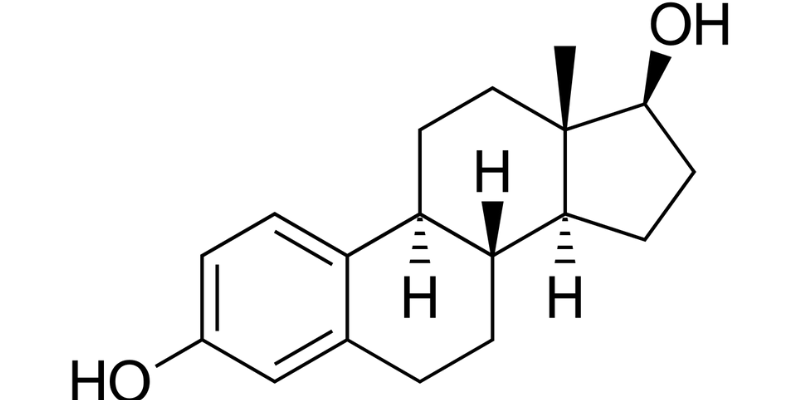
Estradiol is widely recognized as the strongest natural estrogen. It has the highest estrogenic activity and is primarily responsible for reproductive health in women of childbearing age. This hormone regulates menstrual cycles, prepares the uterus for pregnancy, and maintains bone density.

In terms of potency, estradiol is several times more powerful than estrone and estriol. It binds strongly to estrogen receptors, influencing tissues throughout the body. Because of its strength, estradiol is the main focus in both hormone replacement therapy and research on natural estrogen support.

Estrone (E1) The Estrogen of Menopause

Estrone is weaker than estradiol but remains important after menopause. It becomes the dominant estrogen once the ovaries reduce their production of estradiol. While not as strong, estrone still provides protective effects for bones, cardiovascular health, and overall balance.

Estriol (E3) The Gentle Estrogen

Estriol is considered the weakest natural estrogen. It increases significantly during pregnancy and plays a protective role for both the mother and the baby. Although not as potent, estriol is often used in hormone therapies because of its gentler action and lower risk of overstimulation.

Why Estradiol is Considered the Strongest

When comparing these three estrogens, estradiol is undoubtedly the strongest. Its ability to bind tightly to estrogen receptors makes it the most biologically active. This strength is why women experience significant physical and emotional changes when estradiol levels drop during perimenopause and menopause.

Estradiol not only impacts reproductive health but also influences:

  • Bone strength: helping to prevent osteoporosis.
  • Cardiovascular health: supporting blood vessel function.
  • Brain function: influencing memory and mood.
  • Skin quality: maintaining elasticity and hydration.

Because estradiol works across so many body systems, it is often seen as the gold standard when discussing natural estrogen strength.

Natural Ways to Support Estradiol Levels

For those looking to boost their natural estrogen, particularly estradiol, lifestyle and diet play important roles. While the body’s hormone production changes naturally with age, certain foods, herbs, and lifestyle habits can support balance.

Phytoestrogens in Food

Some plants contain compounds known as phytoestrogens. These plant-based estrogens mimic natural estrogen in the body, although their effects are weaker than those of estradiol. Still, they may help reduce symptoms of low estrogen, such as hot flashes, mood swings, or dryness.

Soy products, flaxseeds, sesame seeds, chickpeas, lentils, and certain fruits contain phytoestrogens. Eating these foods regularly may provide mild estrogenic effects, supporting overall hormone balance.

Herbal Support

Herbs such as red clover, black cohosh, and maca root are often discussed for their potential estrogen-like effects. While research varies in strength, many women report improvements in menopausal symptoms with consistent use.

Lifestyle Factors

Stress, lack of sleep, poor diet, and inactivity can all disrupt hormone balance. Exercise, especially strength training and moderate cardio, has been shown to support hormone health, including estradiol levels. Managing stress through mindfulness, yoga, or meditation also plays a role in keeping estrogen levels more stable.

The Role of Natural Estrogen in Men’s Health

Although estrogen is often thought of as a female hormone, men also need it in small amounts. Estradiol, in particular, is crucial for maintaining bone density, joint health, and cardiovascular function in men.

Low estrogen levels in men can lead to bone weakness, mood changes, and even fertility challenges. On the other hand, excessively high levels may contribute to weight gain and hormonal imbalance. This is why maintaining natural balance is so important for both genders.

Risks of Low Estrogen

When estradiol, the strongest natural estrogen, declines, it can cause a wide range of health concerns. Women may notice hot flashes, night sweats, weight gain, and mood fluctuations. Men may experience fatigue, reduced libido, or bone issues.

Long-term low estrogen increases the risk of osteoporosis, cardiovascular disease, and cognitive decline. That’s why paying attention to estrogen health is essential, particularly as people age.

Can Natural Estrogens Replace Hormone Therapy?

Many people wonder if natural estrogens from foods and herbs are enough to replace medical hormone therapy. While these natural sources can support balance and ease mild symptoms, they are not as strong as medical treatments.

Estradiol used in hormone replacement therapy is bioidentical, meaning it matches the body’s natural hormone. This makes it more powerful than plant estrogens or supplements. However, combining a healthy lifestyle with medical support can be the most effective strategy for long-term wellness.

Why Understanding Estrogen Strength Matters

Knowing which estrogen is the strongest is more than just scientific trivia. It impacts decisions around health care, lifestyle, and treatment options.

For women, estradiol plays the largest role in fertility, energy, and skin health. For men, small amounts of estradiol ensure bones and the heart stay healthy. Recognizing the importance of estradiol allows people to make informed choices about their wellness.

Conclusion

Estrogen is essential for both men and women, and among the three natural estrogens estradiol, estrone, and estriol, estradiol is the strongest. Its powerful effects on reproductive health, bone strength, cardiovascular wellness, and brain function make it the most vital form of estrogen. While lifestyle choices, foods, and herbs can support balance, estradiol remains the key hormone when discussing natural estrogen strength.

If you want to learn more about how natural estrogen balance can improve your health and explore the best solutions tailored for you, reach out to MD Longevity at 888-545-3047 or 888-545-9147. Our expert team is here to guide you toward better health, vitality, and confidence.

FAQs

What is the strongest natural estrogen?
The strongest natural estrogen is estradiol (E2). It has the highest biological activity and plays a critical role in reproductive, bone, heart, and brain health.

Is estradiol stronger than estrone and estriol?
Yes, estradiol is significantly stronger than estrone (E1) and estriol (E3). It binds more effectively to estrogen receptors, making it the most potent form.

Can foods increase estrogen naturally?
Certain foods like soy, flaxseed, sesame seeds, and legumes contain phytoestrogens, which can mildly mimic natural estrogen in the body.

Do men need estrogen?
Yes, men need small amounts of estrogen, especially estradiol, to maintain bone density, joint health, and cardiovascular function.

Can natural remedies replace hormone therapy?
While natural remedies can support balance and ease mild symptoms, they are not as strong as bioidentical hormone therapy prescribed by medical professionals.

At What Age Should You Stop Bioidentical Hormones?

At What Age Should You Stop Bioidentical Hormones?

Bioidentical hormone therapy (BHRT) has gained considerable attention in recent years, offering a more “natural” alternative to conventional hormone replacement therapy. As a woman or man navigates midlife and beyond, questions naturally arise: At what age should one stop bioidentical hormones? What factors should influence that decision? In this comprehensive blog post, we’ll explore these questions deeply, balancing medical perspectives, lifestyle considerations, and the latest research, so you’re empowered to make an informed choice about your hormone health.

Understanding Bioidentical Hormones and Their Purpose

Bioidentical hormones are chemically identical to those naturally produced by the human body. They are often derived from plant sources like soy or yams and formulated to match the molecular structure of naturally occurring hormones such as estrogen, progesterone, and testosterone. While conventional hormone therapy provides synthetic or animal‑derived hormones, BHRT aims to mimic the body’s own chemistry more precisely.

People opt for bioidentical hormones for a variety of reasons. For women, menopause can bring symptoms like hot flashes, night sweats, vaginal dryness, mood swings, and sleep disturbances. Bioidentical estrogen (with or without progesterone) can alleviate these symptoms. Men, too, may benefit from bioidentical testosterone, for example, which is sometimes used to address age‑related declines in energy, libido, and muscle mass.

Why the Question of “When to Stop” Matters

Determining the right time to discontinue bioidentical hormone treatment is not straightforward. Unlike one‑size‑fits‑all medication regimens, hormones require personalized consideration. Several factors influence the decision, including health goals, symptom control, underlying risks, and evolving medical guidance.

Importantly, the “right time to stop” may vary widely from one individual to another. Some continue therapy into their 70s or beyond without issue, while others may be advised to taper off in their early 60s, depending on their health profile and risk factors.

Key Considerations When Determining the Ideal Discontinuation Age

1. Individual Health Profile and Medical Risks

Your personal and family medical history plays a pivotal role. Certain conditions, such as a history of breast cancer, blood clots, stroke, or heart disease, may contraindicate continued hormone therapy. As you age, these risks may increase, warranting reevaluation of therapy.

Conversely, if your bone density is low and the benefits of hormone therapy outweigh the risk, continuation may be advisable. Regular screening (e.g., mammograms, DEXA scans) and consultations with your healthcare provider are essential to balancing benefits and risks.

2. Symptom Control vs. Long‑Term Risks

Hormone therapy can significantly improve quality of life by controlling menopausal or andropausal symptoms. But as you age, the balance between symptom relief and emerging long‑term risks may shift. For many, the question becomes whether the current symptom relief justifies potential risks such as cardiovascular issues or hormone‑sensitive cancers.

Regular reassessment every year or two is recommended to ensure the therapy still aligns with your health goals and risk tolerance.

3. Age Benchmarks in Medical Guidelines

While there is no universal “cut‑off” age, some medical guidelines offer general recommendations. For instance, certain professional organizations advise reassessing therapy around age 65–70, especially in women. If symptom control is satisfactory and no new health concerns have emerged, gradual tapering might be considered at that stage.

However, it’s vital to understand that such age ranges are not mandates; they’re prompts for reevaluation.

4. Formulation and Dosage

Bioidentical hormones come in various forms creams, gels, pills, patches, or pellets. Dosage and delivery method can affect risk profiles. For example, transdermal estrogen patches may carry a lower risk of blood clots compared to oral formulations. As you age, dose adjustments or formulation changes may be part of a safer, more effective tapering strategy.

5. Lifestyle Factors

Your lifestyle, diet, activity level, sleep habits, and stress management have a significant influence. If you’re proactive in maintaining healthy habits, you may be able to manage symptoms more easily without hormones. Conversely, if symptoms are severe and lifestyle changes alone aren’t enough, continued therapy may be justified under medical supervision.

What Experts Say: Age Guidelines and Medical Insight

Leading endocrinology and women’s health experts emphasize individualized care. They often suggest:

  • Annual reevaluation: Especially beyond age 60.
  • Lowest effective dose: Use the minimum dose that alleviates symptoms.
  • Symptom‑based approach: If symptoms are mild or manageable with lifestyle changes, tapering might be appropriate.
  • Shared decision‑making: Engaging in ongoing conversation with your provider about evolving risks and benefits.

It’s crucial to remember that scientific knowledge and guidelines evolve. Staying updated and proactive in your health care ensures the safest path forward.

Potential Risks of Continuing Bioidentical Hormone Therapy Long Term

Long‑term hormone use carries some considerations:

  • Cardiovascular risk: Particularly with oral estrogen, the risk of blood clots and stroke may increase.
  • Cancer risk: Estrogen plus progesterone may elevate breast cancer risk over time. The duration and dosages matter.
  • Gallbladder disease: Estrogen therapy may increase the risk of gallstones.
  • Cognitive effects: Some data suggest no protective effect against Alzheimer’s, and timing may be critical to potential benefit or harm.

Regular screening, symptom monitoring, and staying abreast of new research are essential when considering extended therapy.

Assessing When It Might Be Time to Stop

Here are some clinical or personal scenarios that often prompt reevaluation:

  • You’ve reached your mid‑60s or early 70s: A periodic check‑in is prudent.
  • You develop new health concerns, Such as high blood pressure, diabetes, or clotting tendencies.
  • Inefficacy or side effects emerge: If you notice new adverse symptoms or diminishing benefits.
  • You’ve maintained stable health and symptom control for several years, and wish to explore tapering.

None of these automatically means it’s time to stop, but they are valid triggers for a thoughtful conversation with your health care provider.

Tapering: The Wise Approach to Discontinuation

Going “cold turkey” off hormone therapy can be harsh. A gradual taper over weeks or months can help minimize rebound symptoms like hot flashes or mood swings. Common tapering strategies include:

  • Reduce dose gradually: Move from the highest dose to lower, then to intermittent dosing.
  • Switch to gentler formulations: For example, transitioning from pills to patches.
  • Time‑of‑day adjustments: Sometimes taking medication every other day or only at night can help.

Supportive strategies herbal remedies, lifestyle shifts, and prescription non‑hormonal options, can assist during the tapering process.

Life After Bioidentical Hormones: Supporting Your Body Naturally

Should you decide to stop bioidentical hormones, several tools can ease the transition:

  • Lifestyle optimization: Excellent sleep hygiene, regular exercise, stress reduction, and a balanced diet rich in calcium and vitamin D.
  • Non‑hormonal prescription options: SSRIs, SNRIs, gabapentin, or clonidine may help with hot flashes or mood changes.
  • Herbal supplements: Some find relief using black cohosh, evening primrose oil, or phytoestrogen‑rich soy products, though evidence varies.
  • Alternative therapies: Acupuncture, mindfulness, and biofeedback can ease mood and sleep disturbances.

These alternatives can be integrated during tapering or anchoring life beyond hormones.

Optimizing SEO While Maintaining Reader Engagement

By weaving in relevant terms such as “bioidentical hormone therapy tapering,” “when to stop BHRT,” “bioidentical hormones risks,” and “safe discontinuation of light hormone dosage,” this article aims to outrank competitors by offering both depth and readability. There’s no heavy bulleting, just clearly structured, small‑paragraph writing that the reader can digest easily.

Conclusion

Bioidentical hormone therapy can be transformative, relieving symptoms, improving vitality, and enhancing quality of life. Yet, the decision of when to stop bioidentical hormones should never be taken lightly. There’s no universal age at which everyone should stop. Instead, the best path is one that’s personalized, continuously reevaluated, and guided by symptoms, health profile, and changing risk perspectives.

As you navigate this journey, consider scheduling a thorough review with your healthcare provider annually, starting in your mid-60s and beyond. Maintain open dialogue about the benefits you’re receiving, any new concerns, and what might be changing in your health status. When the time comes to taper or even if you’re exploring alternatives, doing so thoughtfully ensures both comfort and safety.

If you’re seeking expert guidance tailored to your unique health narrative, reach out to MD Longevity at 888-545-3047 or 888-545-9147. We specialize in hormone health, providing individualized, evidence-based care to help you thrive at every stage of life.

FAQs

Q1: Can I stay on bioidentical hormones indefinitely?
It’s possible, but not automatically advisable. Continued therapy must be balanced against your evolving health risks and guided by regular medical review.

Q2: At what age should I strongly consider stopping bioidentical hormones?
There’s no universally fixed age. Many women reassess therapy around 65–70, but decisions should be personalized based on symptoms, health profile, and risk tolerance.

Q3: Will stopping bioidentical hormones cause symptoms to return immediately?
If you stop abruptly, yes, symptoms like hot flashes or mood swings may return. Gradual tapering under supervision is typically the kinder, safer route.

Q4: Are certain hormone formulations safer than others as I age?
Yes. Transdermal (patch or gel) estrogen may carry a lower clotting risk than oral forms. Always consult your provider for individualized recommendations.

Q5: What natural alternatives help after stopping hormone therapy?
Lifestyle adjustments (diet, sleep, stress management), non‑hormonal medications (certain antidepressants or others), herbal supplements, and wellness practices like acupuncture can all offer support.

What Are The Signs That You Need Hormone Replacement Therapy?

What Are The Signs That You Need Hormone Replacement Therapy?

Hormones play an essential role in the way your body functions every single day. They regulate energy, mood, sleep, weight, and even cognitive performance. When your hormones are balanced, your body works as it should, but when they become imbalanced, the effects can be felt almost immediately. For many people, these imbalances occur naturally with age, while others may experience them due to lifestyle factors, stress, or medical conditions. Hormone Replacement Therapy (HRT) is one of the most effective ways to restore balance and improve overall quality of life.

Understanding the signs that you may need hormone replacement therapy is the first step toward regaining control of your health. Many individuals ignore these symptoms, assuming they are just part of getting older. However, knowing what to look out for and seeking treatment early can make a significant difference in how you feel today and in the years ahead.

The Role of Hormones in Your Body

Hormones act as messengers in the body, carrying signals that regulate essential functions such as metabolism, growth, sexual health, and energy levels. When hormone levels are disrupted, even slightly, you may notice changes in your physical health, mental clarity, and emotional stability. These signals should not be ignored because they are often your body’s way of telling you that something is out of balance.

Hormone imbalances are common as both men and women age, but the signs can vary depending on which hormones are affected. For women, estrogen and progesterone fluctuations are typically noticeable during perimenopause and menopause. For men, testosterone decline often begins gradually in their 30s or 40s, a condition sometimes referred to as andropause. Recognizing these patterns is critical when determining whether hormone replacement therapy is necessary.

Common Symptoms of Hormone Imbalance

One of the clearest signs that you may need hormone replacement therapy is persistent fatigue. This is not just the tiredness that comes after a long day but a constant, unshakable feeling of low energy that doesn’t improve with sleep or rest. Many patients describe it as a sense of being drained or unable to function at their normal capacity. If this fatigue persists, it is worth considering whether hormone levels could be the underlying issue.

Mood swings and irritability are also frequently linked to hormonal imbalances. If you find yourself feeling anxious, depressed, or unusually irritable without any clear reason, your body may not be producing enough hormones to keep your mood stable. These emotional shifts can affect personal relationships, work performance, and overall mental health, making it vital to explore possible solutions like hormone replacement therapy.

Another common symptom is weight gain, especially around the midsection. When your metabolism slows down due to hormone deficiencies, losing weight can become increasingly difficult despite following a healthy diet and regular exercise routine. This stubborn weight gain often leads to frustration and may signal the need for a medical evaluation.

Sleep Disturbances and Hormonal Decline

If you find it hard to fall asleep, wake up frequently during the night, or never feel rested despite getting enough hours of sleep, your hormones may be to blame. Melatonin, cortisol, and sex hormones all play important roles in sleep regulation. An imbalance can disrupt sleep cycles, leaving you feeling restless or exhausted. For women, hot flashes and night sweats related to menopause often make sleep even more difficult.

Over time, lack of proper sleep can lead to more serious issues such as memory problems, weakened immunity, and higher stress levels. Addressing hormonal imbalances through therapy may help restore restful sleep and improve your quality of life.

Cognitive Changes and Brain Fog

Cognitive decline, often referred to as brain fog, is another sign that hormones may not be functioning optimally. Many people experiencing hormone imbalance report forgetfulness, difficulty concentrating, or trouble staying mentally sharp. These symptoms are more than just occasional lapses; they can interfere with daily responsibilities and lower productivity.

Estrogen and testosterone both play roles in brain health, and their decline has been linked to memory issues. Correcting these imbalances with hormone replacement therapy can often restore mental clarity and improve focus.

Sexual Health and Libido

A noticeable decrease in sexual desire or satisfaction can also indicate a hormone imbalance. For women, vaginal dryness, discomfort during intimacy, or loss of interest in sex are common signals of low estrogen. For men, low testosterone levels can result in erectile dysfunction, reduced libido, and overall lack of sexual drive.

These symptoms not only impact physical intimacy but also affect emotional connections and self-esteem. Restoring hormone levels often brings back a healthy sex drive and improves overall confidence and relationship satisfaction.

Physical Signs You Shouldn’t Ignore

While some symptoms are subtle, others are more physical and easier to spot. For instance, thinning hair, dry skin, brittle nails, or unexplained changes in appearance are often linked to hormone fluctuations. Muscle weakness and decreased strength may also occur, particularly in men as testosterone levels decline. Women may notice changes in bone density, putting them at a higher risk of osteoporosis as estrogen levels drop.

When these physical changes are combined with emotional and cognitive symptoms, they provide a clearer picture of an underlying imbalance that could be addressed with hormone replacement therapy.

Signs Specific to Women

Women often notice hormonal imbalances during perimenopause and menopause. Common symptoms include irregular menstrual cycles, hot flashes, night sweats, mood swings, and weight gain. Vaginal dryness and decreased sexual desire also tend to occur during this stage of life. These symptoms are a result of declining estrogen and progesterone levels, and hormone replacement therapy can help restore balance and alleviate discomfort.

Signs Specific to Men

Men experiencing testosterone decline often report low energy, reduced muscle mass, weight gain, irritability, and decreased motivation. Erectile dysfunction and lower libido are also common indicators. These changes may develop gradually, making it easy to dismiss them as part of normal aging. However, when combined, they often point to low testosterone levels that can be improved with therapy.

Long-Term Health Risks of Ignoring Symptoms

Ignoring signs of hormone imbalance doesn’t just make life uncomfortable; it can also lead to long-term health risks. Declining estrogen levels in women can contribute to osteoporosis and heart disease. Low testosterone in men has been linked to cardiovascular issues, type 2 diabetes, and loss of muscle mass. These risks make it even more important to address symptoms early and seek professional help when needed.

When to Consider Hormone Replacement Therapy

You should consider hormone replacement therapy when multiple symptoms are interfering with your quality of life. Fatigue, mood changes, sleep disturbances, weight gain, and sexual health concerns are all strong indicators. If you’ve tried lifestyle changes like diet, exercise, and stress management but still struggle with these issues, it may be time to get your hormone levels tested and discuss options with a healthcare provider.

Hormone replacement therapy is not a one-size-fits-all treatment. It is highly individualized, and your doctor will recommend the right balance of hormones based on your symptoms, test results, and overall health goals. The goal is to restore your body’s natural balance and help you feel like yourself again.

Conclusion

Recognizing the signs that you may need hormone replacement therapy is an important step toward taking control of your health and well-being. From fatigue and mood swings to sleep disturbances, weight changes, and sexual health concerns, these symptoms can significantly affect your quality of life. By addressing them early and seeking professional guidance, you can restore balance, improve your energy, and reduce long-term health risks.

At MD Longevity, we specialize in helping patients identify and correct hormonal imbalances through personalized treatment plans. If you are experiencing any of these symptoms and want to explore whether hormone replacement therapy is right for you, call us today at 888-545-3047 or 888-545-9147 to schedule a consultation. Your health, vitality, and longevity matter, and we are here to help you every step of the way.

Frequently Asked Questions

What is hormone replacement therapy?
Hormone replacement therapy (HRT) is a medical treatment designed to restore hormone levels in the body to a healthy balance. It often involves replacing estrogen, progesterone, or testosterone, depending on the patient’s needs.

Who can benefit from hormone replacement therapy?
Both men and women experiencing symptoms of hormone imbalance can benefit. Women often seek therapy during menopause, while men may need it as testosterone levels decline with age.

Is hormone replacement therapy safe?
When monitored and prescribed by experienced professionals, hormone replacement therapy can be safe and effective. Risks vary depending on medical history, so it’s important to have a thorough consultation before starting treatment.

How soon will I notice results from hormone therapy?
Many patients report improvements in energy, mood, and sleep within a few weeks, while other benefits like weight management and improved sexual health may take longer.

Can lifestyle changes replace hormone therapy?
Healthy habits like proper nutrition, exercise, and stress management are important, but may not be enough if hormone levels are significantly imbalanced. In such cases, hormone replacement therapy provides the additional support your body needs.

How Do I Know if I Need BHRT?

How Do I Know if I Need BHRT?

Aging brings many changes to the body, and while some of them are visible, others happen quietly inside. For many men and women, shifting hormone levels become one of the most noticeable aspects of getting older. These hormonal changes often lead to symptoms like fatigue, mood swings, weight gain, and sleep disturbances. The question many people ask is: How do I know if I need BHRT?

Bioidentical Hormone Replacement Therapy (BHRT) has become an increasingly popular option for those seeking to restore balance and reclaim vitality. Unlike synthetic hormones, BHRT uses hormones that are chemically identical to the ones naturally produced in the body. But BHRT isn’t for everyone, and recognizing the signs that point toward hormone imbalance is the first step to determining if it’s the right choice for you.

Understanding What BHRT Is

Before asking whether you need BHRT, it’s important to understand what it means. Bioidentical Hormone Replacement Therapy involves supplementing or replacing declining hormones with customized doses that mirror your body’s natural hormones. This therapy is most commonly used to address changes in estrogen, progesterone, and testosterone levels.

Hormone levels naturally fluctuate throughout life, but as we age, production often declines significantly. For women, this is especially common during perimenopause and menopause. For men, testosterone decline, sometimes called andropause, creates a similar set of challenges. BHRT is designed to restore harmony to these systems and ease symptoms caused by imbalance.

Common Symptoms of Hormonal Imbalance

The most obvious way to determine whether you might need BHRT is by paying attention to your body. Symptoms of hormonal imbalance are wide-ranging, but some of the most common include:

  • Persistent fatigue, even after rest
  • Mood swings, anxiety, or depression
  • Weight gain, especially around the midsection
  • Loss of muscle mass or strength
  • Low libido or sexual dysfunction
  • Difficulty sleeping or frequent night sweats
  • Brain fog and trouble concentrating
  • Thinning hair or changes in skin elasticity

If you are experiencing several of these symptoms, it may be an indicator that your hormone levels are no longer in balance.

Why Age Alone Is Not the Answer

A common misconception is that BHRT is only for older adults. While hormone imbalance is most often associated with menopause or aging, the truth is that people in their 30s and 40s can also experience hormonal shifts. Stress, poor diet, lack of exercise, and medical conditions can all contribute to early declines in hormone levels.

For women, irregular menstrual cycles, fertility struggles, and early menopause are often signs of imbalance. For men, low testosterone can appear much earlier than expected, sometimes in the late 30s. Because each individual’s journey is different, relying on age alone is not enough to know if you need BHRT.

The Role of Testing in Determining Need

The surest way to know if you need BHRT is through medical testing. A qualified provider will order blood work or saliva tests to measure hormone levels precisely. These tests evaluate estrogen, progesterone, testosterone, thyroid hormones, and other critical markers.

Testing provides a clear picture of whether your symptoms align with a hormonal imbalance. It also ensures that your treatment plan is tailored to your unique needs. Without proper testing, it is difficult to determine whether symptoms are truly caused by hormones or other medical conditions.

Benefits of BHRT When It’s the Right Fit

For those who truly need BHRT, the results can be life-changing. Patients often report more energy, better mood stability, and improved mental clarity. Women experiencing hot flashes, vaginal dryness, or night sweats often find significant relief. Men struggling with fatigue, low libido, or muscle loss notice improvements in stamina and physical performance.

Beyond symptom relief, BHRT can also support long-term health. Balanced hormones play a role in bone density, cardiovascular health, and metabolic stability. By restoring hormone levels, patients may reduce risks associated with osteoporosis, heart disease, and insulin resistance.

Risks and Considerations Before Starting BHRT

While BHRT offers many potential benefits, it is not without risks. Any form of hormone therapy should be carefully monitored by an experienced professional. Possible side effects include bloating, acne, mood changes, and in some cases, increased risks for certain health conditions if not managed properly.

The key is personalization. BHRT should never be a one-size-fits-all approach. Customized dosing, ongoing monitoring, and adjustments over time ensure that therapy remains safe and effective. This is why working with a specialized provider is so important.

BHRT for Women: Signs You Might Need It

Women often consider BHRT during menopause, but the need can begin much earlier. Signs include irregular periods, severe PMS symptoms, loss of libido, weight fluctuations, or difficulty sleeping. Hot flashes, vaginal dryness, and brain fog are also strong indicators that hormone support may be beneficial.

For women entering perimenopause or menopause, BHRT can smooth the transition and help maintain quality of life. However, the decision should always be based on both symptoms and lab results.

BHRT for Men: When to Consider It

Men may be slower to recognize hormone imbalance, but low testosterone is more common than many realize. Symptoms include chronic fatigue, loss of strength, irritability, depression, or difficulty maintaining muscle mass. Sexual health concerns like erectile dysfunction or low libido are also significant indicators.

BHRT for men typically involves testosterone replacement, but it must be carefully balanced with other hormones. Proper testing ensures that therapy supports overall health rather than causing further imbalance.

Lifestyle Factors That Influence Hormone Balance

While BHRT can play an important role, lifestyle choices also affect hormones. Poor diet, high stress, alcohol use, and lack of sleep can worsen hormonal issues. On the other hand, exercise, balanced nutrition, and stress management can support hormone health naturally.

This is why many providers recommend combining BHRT with healthy lifestyle adjustments. Together, they create a foundation for long-term well-being and more sustainable results.

Conclusion

Hormonal changes are a natural part of life, but they do not have to diminish your quality of living. If you are experiencing persistent symptoms such as fatigue, mood swings, low libido, or brain fog, it may be time to explore whether BHRT is right for you. Testing and professional evaluation remain the most reliable ways to know for sure.

At MD Longevity, we specialize in personalized BHRT programs tailored to your unique needs. Our team provides comprehensive testing, expert guidance, and ongoing support to ensure safe and effective hormone balance. If you are wondering whether BHRT is the right choice for you, contact us today at 888-545-3047 or 888-545-9147 to schedule a consultation and take the first step toward renewed energy, vitality, and health.

FAQs

What is BHRT, and how is it different from traditional HRT?
BHRT uses bioidentical hormones that are chemically identical to the body’s natural hormones, unlike synthetic hormone therapies.

How do I know if my symptoms are due to hormones?
Common signs include fatigue, mood changes, weight gain, and low libido. Testing is the most reliable way to confirm.

Is BHRT safe?
When monitored by a qualified provider, BHRT is considered safe for many people. Regular testing and personalized dosing reduce risks.

Can men benefit from BHRT?
Yes. Low testosterone in men can lead to fatigue, sexual dysfunction, and muscle loss, and BHRT can help restore balance.

How soon will I feel results from BHRT?
Some patients notice improvements within weeks, while for others, results may take a few months of consistent therapy.

What’s The Difference Between Bioidentical Hormones And HRT?

What’s the Difference Between Bioidentical Hormones and HRT?

Hormones are powerful messengers that affect nearly every function of the human body. From regulating mood, energy, and metabolism to supporting sexual health and brain function, hormones play a vital role in keeping us balanced. As people age, hormone levels naturally decline, leading to uncomfortable symptoms that affect both physical and emotional well-being.

This is where hormone therapy comes in. For decades, hormone replacement therapy, often known as HRT, has been prescribed to help women manage menopause and men deal with testosterone decline. In recent years, bioidentical hormones have become a popular alternative. Patients want to know the difference, and more importantly, which option is safer and more effective.

If you are considering hormone therapy, understanding the differences between bioidentical hormones and traditional HRT is crucial. In this guide, we’ll explore what sets them apart, how each works, and what you should consider before making your decision.

What Exactly Is Hormone Replacement Therapy (HRT)?

Hormone replacement therapy is a medical treatment that provides the body with synthetic or animal-derived hormones when natural hormone levels drop. It has been widely used since the mid-20th century, particularly for women experiencing menopause.

The main goal of HRT is to relieve symptoms like hot flashes, night sweats, mood swings, vaginal dryness, and loss of bone density. For men, testosterone replacement is often prescribed to combat low energy, muscle loss, reduced libido, and mental fog.

Traditional HRT usually includes estrogen, progesterone, or testosterone. However, the chemical structure of these hormones is not always identical to those the human body produces naturally. Because of this, some patients experience side effects or feel that the treatment does not fully restore balance.

The Rise of Bioidentical Hormones

Bioidentical hormone therapy emerged as a more natural alternative. The term “bioidentical” refers to hormones that are chemically identical to the hormones your body makes. They are derived from plant sources such as soy or yams and are then refined to match human hormones at the molecular level.

This means that when bioidentical hormones enter your body, your system recognizes them as familiar and natural. Patients often report fewer side effects and a smoother transition to balanced hormone levels. Unlike traditional HRT, bioidentical hormone therapy can also be customized. Compounding pharmacies are able to create formulations tailored to your exact needs, based on lab testing and a detailed evaluation by a doctor.

The appeal of bioidentical hormones is their precision. Instead of taking a one-size-fits-all dose, you receive a treatment plan designed specifically for your unique hormone profile.

Structural Differences Between Bioidentical Hormones and HRT

Although both bioidentical hormone therapy and traditional HRT aim to replenish declining hormone levels, their biggest distinction is structural. Traditional HRT uses synthetic hormones or those derived from animal sources. Bioidentical hormones, on the other hand, are exact replicas of natural human hormones.

When the body receives a hormone it does not fully recognize, it may react differently, which explains why traditional HRT can sometimes trigger more side effects. Bioidentical hormones are designed to be seamlessly integrated into your natural hormonal system, which is why many patients feel that the therapy feels more natural and effective.

This difference in structure is the foundation of why many longevity doctors now recommend bioidentical hormone therapy as the first choice.

Personalization: A Key Advantage of Bioidentical Hormones

Traditional HRT often comes in standardized doses. While these dosages work for many, they may not be ideal for everyone. Each person’s hormonal needs are unique, and the “one-size-fits-all” model can sometimes lead to under-treatment or overtreatment.

Bioidentical hormone therapy allows for personalization. Through blood work and medical evaluation, your doctor can determine exactly where your hormone levels stand. Based on those results, a compounded formula is created to match your needs. This level of customization not only improves results but also reduces the likelihood of unwanted side effects.

Patients who have switched from traditional HRT to bioidentical hormones often describe feeling more balanced, more energetic, and more like themselves again.

Benefits of Hormone Replacement Therapy

Even though bioidentical hormones have become more popular, it’s important to acknowledge that traditional HRT has been successful for many people. Both forms of therapy can improve:

  • Menopausal symptoms such as hot flashes and night sweats
  • Sleep quality and overall restfulness
  • Mood stability and emotional health
  • Sexual function and libido
  • Bone strength and protection against osteoporosis
  • Energy and focus

However, the differences in formulation may determine how well each therapy works for an individual. That’s why medical supervision and personalized care are so important when deciding between HRT and bioidentical hormones.

Common Misconceptions About Bioidentical Hormones

As bioidentical hormones have grown in popularity, a number of myths have surfaced. Some patients assume that because they are plant-derived, they are completely free of risks. While bioidentical hormones may be better tolerated by the body, they still need to be carefully prescribed and monitored by a qualified physician.

Another misconception is that bioidentical therapy is completely unregulated. In reality, FDA-approved versions of bioidentical hormones do exist. However, many compounding pharmacies also create customized blends, and these are not FDA-approved in the same way as mass-manufactured medications. This is not necessarily a disadvantage it simply means the highly individualized therapy.

The truth is that both bioidentical hormones and traditional HRT require careful oversight. The safest option is always the one that is designed specifically for your body and guided by an expert in hormone optimization.

Why Hormone Balance Matters for Longevity

Hormones don’t just affect how you feel in the short term; they play a huge role in long-term health and aging. Imbalances can lead to more than just discomfort. They are linked to weight gain, cardiovascular problems, memory loss, and reduced bone density.

By restoring hormones to healthy levels, you can support a stronger metabolism, sharper brain function, improved muscle mass, and better emotional stability. That’s why many longevity doctors consider hormone optimization a central part of preventive health care. Bioidentical hormone therapy, in particular, aligns with this philosophy because it helps the body regain its natural balance rather than relying on generalized synthetic replacements.

Safety Considerations

Whenever hormones are involved, safety must be a priority. Both bioidentical and traditional HRT carry some risks, especially if not properly monitored. Potential risks can include blood clots, changes in blood pressure, or increased risk of certain conditions, depending on a patient’s health history.

The difference lies in monitoring and personalization. Bioidentical therapy allows for regular testing and dose adjustments, which can significantly improve safety. When patients are closely supervised by a knowledgeable doctor, risks are minimized and benefits are maximized.

How to Decide Which Option Is Best

Choosing between bioidentical hormones and traditional HRT is a personal decision that should be made with the help of a medical professional. If you value a natural, personalized approach, bioidentical hormone therapy may be the better choice. If you prefer FDA-approved, mass-produced medications, traditional HRT may be right for you.

The most important factor is working with a provider who understands both therapies and can create a treatment plan based on your lab results, lifestyle, and health goals.

Conclusion

The difference between bioidentical hormones and traditional HRT comes down to structure, personalization, and how your body responds. Bioidentical hormones are an exact match to the hormones your body naturally produces, offering a more customized and often smoother experience. Traditional HRT has helped many patients, but it may not feel as natural or personalized.

The right choice depends on your individual health needs and the guidance of a knowledgeable doctor. At MD Longevity, we specialize in helping patients find the best path to balanced hormones, improved vitality, and long-term wellness. To learn more about how hormone therapy can transform your health, call us today at 888-545-3047 or 888-545-9147 and take the first step toward lasting energy, confidence, and longevity.

Frequently Asked Questions

Are bioidentical hormones safer than HRT?
Bioidentical hormones are structurally identical to natural human hormones, which can make them easier for the body to process. However, both options require medical oversight to ensure safety.

How long before I feel results with bioidentical hormones?
Most patients begin noticing improvements within a few weeks, though full benefits may take a few months as hormone levels stabilize.

Can men benefit from bioidentical hormones?
Absolutely. Men experiencing low testosterone, fatigue, reduced libido, or difficulty building muscle can benefit from bioidentical testosterone therapy.

Is bioidentical hormone therapy FDA-approved?
Some forms are FDA-approved, while customized compounded formulas are not. Both can be safe and effective when prescribed by an expert.

Can hormone therapy help me lose weight?
Yes, balanced hormones can improve metabolism and energy levels, making it easier to maintain a healthy weight alongside diet and exercise.

How Long Does It Take for BHRT to Work?

How Long Does It Take for BHRT to Work

Bioidentical Hormone Replacement Therapy (BHRT) is becoming one of the most sought-after solutions for people experiencing the uncomfortable effects of hormonal imbalance. Whether due to menopause, perimenopause, low testosterone, thyroid issues, or adrenal fatigue, BHRT offers a personalized and natural approach to restoring hormone levels.

One of the first questions patients often ask is: “When will I feel better after starting BHRT?”
The answer isn’t the same for everyone, because BHRT works with your body’s chemistry and restores balance gradually. While some people feel changes within days, for others it can take months to experience full benefits.

This article will walk you through how BHRT works, what to expect in the first days, weeks, and months, and the many factors that affect your timeline for results.

Understanding How BHRT Works

BHRT uses hormones that are molecularly identical to the ones naturally produced by your body. This makes them highly compatible with your system, reducing the risk of side effects compared to synthetic hormones.

The therapy can include estrogen, progesterone, testosterone, DHEA, thyroid hormones, or a combination, depending on your needs. Once administered, through pellets, creams, patches, injections, or oral formulations, these hormones enter your bloodstream and begin influencing your cells.

However, BHRT is not like taking a painkiller that works within hours. Hormonal balance takes time. Your cells, tissues, and brain receptors must adapt to the new levels, and your body needs to reestablish its natural rhythm.

Why Results Take Time

The reason BHRT results aren’t immediate lies in how hormones function. Hormones regulate long-term processes like metabolism, mood, energy, reproductive health, and tissue repair. These processes rely on gene expression, protein synthesis, and cellular adaptation, all of which require time.

In addition, your symptoms may have developed over years of gradual hormonal decline. Reversing those effects can’t happen overnight, even with optimal therapy.

The Initial Adjustment Phase (First 1–3 Weeks)

During the first few weeks of BHRT, your body is adjusting to the incoming hormones. Some people notice subtle changes quickly, such as improved sleep, reduced irritability, or slightly higher energy.

For others, the first few weeks may involve fluctuations, some days feeling better, other days feeling the same or slightly off. This is because hormone receptors are responding to the changes, and your endocrine system is rebalancing.

It’s also common for your provider to adjust your dosage during this time based on your symptoms and lab results. This fine-tuning is critical for ensuring your BHRT plan matches your individual needs.

Early Noticeable Benefits (1–3 Months)

Many people begin experiencing clearer, more consistent improvements in the one-to-three-month range. These can include:

Improved Mood and Emotional Stability

Low hormone levels, especially estrogen, progesterone, and testosterone, can contribute to anxiety, irritability, and mood swings. As BHRT restores these levels, mood generally stabilizes, and emotional resilience improves.

Better Sleep

Progesterone has a calming effect on the brain, and balanced estrogen helps regulate sleep cycles. Many patients report deeper, more restful sleep and fewer night wakings.

Increased Energy

As your metabolism and cellular energy production improve, daily fatigue often lessens. You may find it easier to get through your day without the mid-afternoon slump.

Fewer Menopausal or Andropausal Symptoms

Hot flashes, night sweats, and brain fog tend to become less frequent and less severe. For men, symptoms like low libido or reduced motivation may start to ease.

Significant Changes (3–6 Months)

The three-to-six-month mark is when most people experience the most dramatic symptom relief.

Hormonal Stabilization

By this point, your body has adapted to consistent hormone levels, and symptoms related to imbalance have generally improved significantly.

Physical Benefits

Women may notice healthier skin, improved elasticity, and fewer dryness issues. Men may experience increased muscle tone and better workout recovery. Bone density and cardiovascular health also start improving in the background.

Enhanced Cognitive Function

Many patients describe improved focus, memory, and mental clarity. This “brain fog” relief is one of the most welcomed benefits of BHRT.

Long-Term Benefits (6 Months and Beyond)

Beyond the six-month point, BHRT benefits often extend beyond symptom relief.

  • Sustained Vitality: More consistent energy, better mood stability, and improved overall sense of well-being.
  • Healthy Aging Support: Stronger bones, improved skin quality, and a healthier metabolism help maintain a youthful body function.
  • Reduced Risk of Hormone-Related Health Issues: Balanced hormones can help protect against osteoporosis, certain cardiovascular risks, and muscle loss.

Factors That Influence How Fast BHRT Works

Not everyone’s BHRT timeline looks the same. Several factors influence how quickly you feel results:

1. Type of Hormones Prescribed

Estrogen and testosterone often show effects faster than changes in bone density or hair growth, which take longer.

2. Delivery Method

Pellet therapy offers steady, long-term release, while creams and oral forms may require more frequent adjustments.

3. Your Body’s Hormone Deficiency Severity

Those with severe imbalances may take longer to see full relief compared to mild deficiencies.

4. Lifestyle Habits

A nutrient-rich diet, regular exercise, good sleep hygiene, and stress management can speed up results.

5. Age and Metabolism

Younger individuals or those with faster metabolism may experience changes sooner.

Typical BHRT Timeline Overview

While timelines can vary, here’s what many people experience:

  • Weeks 1–3: Small, subtle changes begin. Sleep may improve.
  • Months 1–3: Clearer symptom relief better mood, more energy, fewer hot flashes or night sweats.
  • Months 3–6: Significant improvements in physical and cognitive health.
  • 6 Months+: Long-term health benefits and sustained balance.

Staying Patient with the Process

One of the most important things to remember is that BHRT is a gradual therapy. If you expect dramatic results in a week, you may feel disappointed. But if you commit to the process and work with your healthcare provider to fine-tune your plan, the payoff can be life-changing.

Frequent follow-ups, consistent dosing, and lifestyle support all help ensure success.

Conclusion

BHRT is a powerful tool for restoring hormonal balance and improving quality of life. While some individuals notice benefits within weeks, most experience significant improvements between three to six months, with ongoing benefits well beyond that point.

Patience, persistence, and a customized plan are key to making BHRT work for you. If you’re ready to start your journey toward balanced hormones and renewed vitality, contact MD Longevity at 888-545-9147 or 888-545-3047 for expert care and guidance.

FAQs

1. Can BHRT work in just a few days?
Some notice mild improvements quickly, but most results build over weeks to months.

2. Is pellet therapy faster than other BHRT forms?
Pellets provide a steady release, but the overall timeline for results is similar to other methods.

3. Will BHRT help with weight loss?
Balanced hormones can make weight management easier, but diet and exercise are still essential.

4. How often will I need to adjust my BHRT dose?
Early on, adjustments may be needed every few weeks. Once stable, yearly checks are often enough.

5. Can I stop BHRT once I feel better?
Stopping will allow hormone levels to drop again, so ongoing therapy is often recommended for sustained benefits.

What Are Signs of Low Progesterone?

What Are Signs of Low Progesterone

Hormones are powerful chemical messengers that control many functions in the body. Among them, progesterone plays a vital role in reproductive health, menstrual regularity, mood stability, and even bone strength. When progesterone levels drop too low, it can disrupt the delicate balance of your endocrine system, leading to a range of noticeable signs and symptoms. Understanding these early signals can help you address the root cause before it leads to more serious health challenges.

Low progesterone is more common than many people realize. It can occur in women of all ages, especially during times of hormonal fluctuation such as perimenopause, after pregnancy, or when experiencing chronic stress. While the symptoms can be subtle at first, they often become more pronounced if left unchecked.

This article explores the key signs of low progesterone, why they happen, and how they affect overall well-being, so you can be more informed about your health.

The Role of Progesterone in the Body

Progesterone is produced primarily by the ovaries after ovulation. It works alongside estrogen to regulate the menstrual cycle, prepare the uterus for pregnancy, and support early fetal development. Beyond reproduction, progesterone influences brain chemistry, bone health, metabolism, and even skin quality.

When progesterone levels fall out of the optimal range, estrogen often becomes relatively dominant, leading to a state known as estrogen dominance. This imbalance is behind many of the uncomfortable symptoms associated with low progesterone. Understanding this connection is the first step toward restoring hormonal health.

Irregular Menstrual Cycles

One of the earliest and most obvious signs of low progesterone is a change in menstrual patterns. Progesterone is responsible for stabilizing the menstrual cycle after ovulation. When levels are insufficient, cycles may become shorter, longer, or unpredictable.

You might notice spotting before your period begins, lighter-than-usual bleeding, or missed periods altogether. These changes occur because the uterine lining is not being maintained properly, making it difficult for the body to follow its normal rhythm.

Difficulty Getting Pregnant or Maintaining Pregnancy

Progesterone is essential for conception and pregnancy. After ovulation, the hormone prepares the uterine lining for the implantation of a fertilized egg. If levels are too low, implantation may fail, making it harder to conceive.

Even if pregnancy occurs, low progesterone can increase the risk of early miscarriage because the uterine lining may not be able to support the developing embryo. Women undergoing fertility treatments often have their progesterone levels checked for this reason.

Premenstrual Syndrome (PMS) Intensification

While many women experience some PMS symptoms, low progesterone can make them more intense. This is because progesterone has a calming effect on the brain by interacting with GABA receptors, which help regulate mood and reduce anxiety.

When progesterone levels drop too low, irritability, mood swings, bloating, and headaches may become more pronounced in the days leading up to menstruation. These symptoms often feel worse than typical PMS and can interfere with daily life.

Mood Changes and Anxiety

The link between progesterone and mood is well-documented. Low progesterone can lead to increased feelings of anxiety, restlessness, or even depression. Many women report feeling less emotionally stable during times when their progesterone is low, such as after ovulation or postpartum.

This mood instability often coincides with poor sleep, which further exacerbates feelings of stress or sadness. Restoring progesterone balance can have a calming, stabilizing effect on emotional health.

Sleep Disturbances

Progesterone plays a role in promoting deep, restful sleep. Low levels can lead to insomnia, trouble falling asleep, or frequent waking during the night. Because progesterone interacts with the brain’s relaxation pathways, a deficiency can leave you feeling mentally alert when you should be winding down.

Poor sleep caused by low progesterone often goes hand in hand with increased anxiety and fatigue, creating a cycle that is difficult to break without addressing the hormonal imbalance.

Hot Flashes and Night Sweats

While these symptoms are commonly associated with menopause, they can also occur when progesterone is low. The hormone helps regulate body temperature, and without it, the hypothalamus, the part of the brain that controls temperature, can become unstable.

As a result, you may experience sudden waves of heat, flushing, or sweating at night. These changes can disrupt sleep and affect quality of life.

Weight Changes and Bloating

Hormonal imbalances caused by low progesterone can affect metabolism and fluid retention. Some women notice weight gain, especially around the midsection, or persistent bloating that doesn’t seem related to diet.

This is partly due to the interplay between progesterone and estrogen. Without enough progesterone to balance estrogen’s effects, the body may retain more water and store more fat.

Skin and Hair Changes

Progesterone has anti-inflammatory properties and supports skin elasticity. Low levels can contribute to acne flare-ups, increased oiliness, or a dull complexion.

Hair may also be affected, becoming thinner or more prone to shedding. These changes often appear gradually and may be mistaken for normal aging, but they can be early warning signs of hormonal imbalance.

Brain Fog and Difficulty Concentrating

Cognitive symptoms are often overlooked, but many women with low progesterone report trouble concentrating, forgetfulness, or mental fatigue.

Because progesterone influences brain neurotransmitters, low levels can impair mental clarity and focus. These symptoms may be particularly noticeable during the luteal phase of the menstrual cycle.

Bone and Joint Issues

Progesterone helps support bone density by working with estrogen to maintain healthy bone remodeling. Chronically low levels can contribute to weaker bones, increasing the risk of osteoporosis over time.

Some women also notice more joint stiffness or discomfort when progesterone is low, especially during hormonal transitions like perimenopause.

Fatigue and Low Energy

Low progesterone can sap your energy levels. Even with adequate sleep, you may feel tired, sluggish, or lacking in motivation. This is often due to the combined effects of poor sleep quality, mood changes, and metabolic shifts associated with hormonal imbalance.

The Importance of Early Detection

Recognizing the signs of low progesterone early can prevent long-term health consequences. Blood tests, saliva tests, or urine hormone panels can measure progesterone levels and help confirm whether they are in the optimal range.

Treatment may involve lifestyle changes, stress reduction, dietary adjustments, or, in some cases, progesterone supplementation under medical supervision.

Supporting Healthy Progesterone Levels Naturally

Maintaining balanced progesterone often starts with supporting overall hormonal health. This can include stress management, as chronic stress increases cortisol production, which can suppress the production of progesterone.

A nutrient-rich diet with adequate healthy fats, vitamin B6, magnesium, and zinc supports hormone production. Regular exercise and avoiding excessive alcohol or caffeine can also help maintain balance.

When to Seek Medical Advice

If you experience persistent symptoms of low progesterone, it’s important to consult a healthcare provider. Hormonal imbalances can have multiple causes, and proper testing is key to effective treatment.

Your doctor may recommend bioidentical progesterone therapy, herbal supplements, or other targeted interventions to restore healthy hormone levels.

Conclusion

Low progesterone can impact every aspect of your well-being, from your menstrual cycle to your mood, sleep, and even long-term bone health. Understanding the signs is the first step toward taking control of your hormonal balance and improving your quality of life.

If you recognize these symptoms in yourself, consider seeking professional help to evaluate your hormone levels and create a recovery plan. For expert guidance and support, contact MD Longevity at 888-545-3047 or 888-545-9147.

FAQs

1. Can low progesterone be temporary?
Yes, temporary fluctuations can happen due to stress, illness, or changes in lifestyle. However, persistent low levels require further evaluation.

2. Is low progesterone common in perimenopause?
Yes, progesterone often declines before estrogen during perimenopause, leading to an imbalance that can cause symptoms.

3. Can men have low progesterone?
Yes, men also produce progesterone in smaller amounts, and low levels can affect mood, sleep, and fertility.

4. Will taking birth control help low progesterone?
Birth control can regulate cycles but may not correct the root cause of low progesterone. Treatment depends on individual needs.

5. Can diet alone fix low progesterone?
A healthy diet supports hormone production, but severe deficiencies often require additional medical treatment.