 About Dr. Ann Peters

Dr. Ann J. Peters is a highly respected expert in longevity and anti-aging medicine, dedicated to helping people look and feel their best while living longer, healthier lives. With medical training from renowned institutions such as Cornell Medical Center and Harvard School of Public Health, Dr. Peters has built a career focused on providing personalized care to each patient. She is a member of prestigious organizations like the American Academy of Anti-Aging Medicine and the European Academy of Quality of Life and Longevity Medicine. Dr. Peters combines her extensive medical expertise with a commitment to evidence-based treatments, ensuring that each patient receives the best possible care. Her approach includes customized programs that focus on hormone balance, nutrition, exercise, and other therapies designed to improve overall well-being and support a healthy, vibrant life.

The 7 Keys to Longevity: Unlocking the Secrets to a Longer, Healthier Life

7 Keys to Longevity

Longevity isn’t just about adding years to your life — it’s about filling those years with health, energy and purpose. Studies have found that lifestyle choices account for a significant factor in how long and well we live. Certain groups, like those living in the areas known as Blue Zones, including Okinawa in Japan and Sardinia in Italy, have cracked the code to living a long life through specific habits that improve physical and mental health.

This guide examines the seven keys to longevity found to work in matched studies and real world. So, to know more about these principles, just read on to find out how you can not just prolong your life, but also quality of life.

1. Nutrition: The Fuel of Extended Lifespan

What you eat directly drives your longevity. A nutrient-dense diet of whole foods aids cellular repair, bolsters the immune system, and reduces the risk of chronic diseases. Research indicates that those high in plant-based food consumption live long and healthier lives.

A longevity diet includes a variety of whole grains, fresh vegetables, fruits, lean proteins, and healthy fats. Antioxidant-rich foods like berries and leafy greens help fight oxidative stress, a key factor in aging. Omega-3 fatty acids from fatty fish, flaxseeds, and walnuts support brain function and reduce inflammation.

The ageing gene has also been implicated in caloric restriction, which has been associated with increased lifespan. The right amount of food with the right amount of nutrients will ease the economic burden without affecting metabolism while also slowing down cellular aging. Minimizing processed foods, refined sugars, and trans fats also decreases the risk for cardiac disease, diabetes, and obesity.

2. Physical Activity: Move More, Live Longer

One of the best methods to boost longevity is to stay active. Even regular exercise strengthens the heart, boosts circulation, and keeps muscles and bones strong. An active, robust lifestyle is correlated with lower chronic disease incidence, better mental sharpness, and improved overall mood.

Disparate forms of exercise are beneficial for different facets of health. Aerobic exercises like walking, jogging, and cycling improve heart health and endurance. Strength training helps protect muscles from aging. Flexibility and balance exercises, such as yoga and tai chi, reduce the risk of falls, a major cause of injury and death in older adults

Getting movement into everyday life also contributes to longevity. Going for a walk instead of driving short distances, taking the stairs and standing up regularly during long periods of sitting can all keep the body active.

3. Healthy Mind For Healthy Body: Mental Well-Being

Mental health and emotional well-being are as important to longevity as physical health. Chronic stress, anxiety , and depression speed up aging and diseases. However, a positive outlook on life has been shown to extend lifespans.

Mindfulness and meditation help regulate stress hormones and, constructively, reduce blood pressure, suit the times, and mind and mental clarity in general. Keeping track in a journal, as well as engaging in relaxing activities — reading or listening to music — all help stabilize your emotional state.

Having a robust social network fosters mental well-being, too. Supportive relationships help people live longer and healthier lives. Having meaningful conversations and spending some time with friends and family creates emotional resilience as well as gives us a purpose to live.

4. Sleep: The Best Anti-Aging Drug

Sleep is an important part of longevity. While sleeping, the body heals itself and balances hormones and the immune system. When we get less sleep, we will be more stressed, gain more weight, and are more likely to get chronic diseases.

Ohr advises training your body to keep a regular sleep schedule to help maintain its natural circadian cycle. Limiting screen time before bedtime, ensuring a cool and dark bedroom, and creating a soothing routine in the hour before bed all contribute to better-quality sleep. Reduce caffeine and large meals near bedtime to avoid sleep interruptions.

Aiming to get seven to nine hours of sleep each night gives the body the chance to perform at its best. Research has found that those who prioritize restorative sleep live longer and have lower rates of heart disease and cognitive decline.

5. Stress Management: The Cortisol Connection

Chronic stress accelerates aging and lowers immune response. Increased levels of cortisol, the body’s main stress hormone, promote inflammation, high blood pressure, and poor mental well-being. Stress management is the most effective way to improve life expectancy or quality of life.

Deep breathing, meditation, and yoga decrease cortisol levels. Spending time in nature, having creative outlets, and work-life balance relieve stress and help you to live longer.

Having a good support system is also effective in managing stress. Talking to friends, getting professional help when necessary, and engaging in community build emotional stability and resilience.

6. Social Connections: The Longevity Boost from Relationships

Individuals who have strong social ties live longer, healthier lives. Research shows that loneliness and social isolation raise the risk of early death, heart disease, and cognitive decline.

Building meaningful relationships lends emotional support, lowers stress response, and boosts mental health. Being part of groups, being close to friends and family, belong to them help us to be happy.

In areas where people have longevity, they tend to live in close communities where they see their neighbors and loved ones regularly. A stronger sense of community and frequent socialization, such as habitually taking part in community events, volunteering, or heading to happy hours, equates to better and longer living.

7. Purpose and Passion: The Drive to Live Longer

A sense of purpose adds years to your life. Individuals who greet each day with a purpose, passion, or mission tend to be healthier and happier. This is because purpose-driven people have lower stress levels, increased motivation, and higher well-being.

When you set goals, both in your personal and professional lives, you have a sense of direction and satisfaction. Doing things that you enjoy, be it a job, hobby, or service, is a reason to be active and invested in life.

In Okinawa, Japan, centenarians practice a philosophy known as “Ikigai,” which means “reason for being.” This profound sense of purpose helps explain their remarkable longevity. Discovering and embodying one’s purpose greatly influences mental and physical health.

MD Longevity: Your Path to a Healthier, Longer Life 

At MD Longevity, Dr. Ann Peters, New York’s top anti-aging doctor, can help you reclaim your vitality. We offer you the best possible chance to regain your projection, vitality, and health and to live life as fully as possible.

To learn more about our clinic and how you can benefit from personalized longevity solutions, visit us today and take the first step towards a healthier future.

Final Thoughts: Live Longer Right Now

Longevity isn’t only determined by genetics — it’s habits and lifestyle choices that are made every single day. Besides a balanced diet, daily activity, coping with mental health, good quality rest, stress reduction, developing social bonds and a life of purpose can all be secrets to living a longer, healthier life.

These seven keys can be integrated into daily rituals without making major changes. Continuous small changes accumulate to bear big fruits in the long run. The earlier these habits are incorporated into day-to-day life, the bigger the impact on health, vitality, and longevity.

And most importantly, what as experts we tend to overlook because we are creatures of habit—and digital natives—is that taking small steps today is a crucial step toward healthier, happier, and longer life tomorrow. Do one small thing and gradually work toward a lifestyle you can maintain for life.

What is a Longevity Doctor? | How They Help You Age Gracefully

What is a Longevity Doctor How They Help You Age Gracefully

Have you ever heard about longevity doctors? And wonder who they are. What purpose do they serve regarding our health? This is the most curious point when people hear about and compare them with local physicians. They are specialists whose main purpose is to provide a healthier life for a longer time. 

You can consider them to be healthcare experts focusing on personalized health plans and anti-aging strategies as you grow. Now, let’s discuss more about these doctors in depth.

What is a Longevity Doctor?

A longevity doctor is a healthcare professional whose main purpose is to help people live longer and healthier as they age. These doctors specifically focus on anti-aging regenerative medicine or treatments, preventive medicine, and personalized wellness plans.

Instead of just treating illness or disease, they use advanced medical technology to optimize overall health by inspecting nutrition, fitness, and hormone balance levels.

They work on longevity medicine by doing proper research on them to slow down the aging process, enhance energy levels, and reduce chronic diseases. Whether you are conscious about diet, improving sleep, or using regenerative therapies, their approach is to enhance your well-being to stay healthier and active and enjoy life as your age just stops.

What Does a Longevity Doctor Do?

Longevity doctors do more than just treat illness. When you get in touch with these experts, they thoroughly examine your body, hormone levels, and any heart diseases, or more in-depth. They even use advanced tools such as blood tests and diagnostic screening to catch issues earlier before they become an issue for you.

After getting a proper report on your current health, they create a diet plan that can last four to five months or more. This plan ensures that you can enjoy life more actively even if you are 50 or older. 

They recommend your exercise routine and suggest some supplements to slow down your aging process and keep you sharp. Most people are now opting for these doctors to enjoy life a bit more.

Why See a Longevity Doctor?

Seeing longevity doctors is a smart move, especially if you think you’re facing any hormonal imbalance issues and concerns about your health as you age. They are also a good choice if you want to take bioidentical hormone replacement therapy (BHRT) or other therapies. They will use more advanced tools to detect any health issues early to help you stay at your best.

They will be the best consideration if you want to boost your energy level in your 50s, improve cognitive function as it slows down as you age, or reduce any heart-related issues such as cardiovascular diseases. They create a specific health plan that you need to follow at any cost to treat your unique biological system. 

The longevity-focused therapies are the main source for them. It’s not just about focusing on your life; it’s about making those years healthier and more fulfilling. 

How to Become a Longevity Doctor?

If you want to become a longevity doctor, then it’s a good deed for those who are seeking healthy aging. Although it takes time and dedication, your passion for it will be enough. 

This career path is tough as they have to keep an eye on the latest or up-to-date technologies and research in longevity medicine. Here are detailed steps on how you can enter this field:

Start with a Medical Degree

To start, you’ll need to complete a Doctor of Medicine (MD) or Doctor of Osteopathic Medicine (DO) degree. Medical school provides a deep understanding of human biology, diseases, cancer, and treatment methodologies. 

During this time, students focus on foundational subjects like anatomy, pharmacology, and internal medicine, which are essential for any doctor.

Complete a Residency Program

After earning your degree, the next step is completing a residency in internal medicine, family medicine, or endocrinology. This hands-on training is where future doctors gain real-world experience. For treating chronic diseases, cardiovascular diseases, and metabolic disorders. 

A strong background in these areas is essential for anyone looking to practice longevity medicine. This addresses risk factors that contribute to aging-related conditions.

Get Certified in Functional and Longevity Medicine

To stand out as a performance and longevity doctor, additional certifications are highly recommended. Programs like the American Board of Anti-Aging and Regenerative Medicine (ABAARM) or the Institute for Functional Medicine (IFM) are specialized. 

Get training in biological age assessment, hormone therapy, and precision medicine. These certifications equip doctors with cutting-edge tools to help patients slow the aging process and enhance their quality of life.

Gain Experience and Specialize Further

Building hands-on experience in longevity clinics, wellness centers, or private practices is key. Many board-certified physicians work closely with patients to develop personalized plans for nutrition, exercise, stress management, and advanced health screenings. 

Some doctors may also choose to specialize further in areas like genomics, regenerative therapies, or cellular medicine to expand their expertise.

Stay Updated with Ongoing Research and Training

The field of longevity medicine is always in flux; thus, knowledge of recent advances is vital. Conferences, such as medical conferences, research seminars, and longevity summits, may allow these physicians to stay ahead of developments. 

In contrast, many longevity doctors are also collaborating with scientific and medical partners, working on some revolutionary fronts in medicine.

Establish a Practice or Join a Longevity Clinic

Upon becoming completely trained, doctors can either start their practice devoted to longevity or join an existing wellness center. Most of these longevity physicians will work with a cross-section of other specialists in developing comprehensive health plans for patients that include nutritionists, fitness experts, and genetic counselors.

Some of them also feature concierge services, but this doesn’t quite make them special. Instead, most such cultures will offer extreme ideas in further refining an individual’s healthy lifestyle.

Network and Collaborate

After completing a degree or even working as a specialist, it’s essential to connect with other longevity professionals. This will help you stay updated on the latest research and news and enhance your circle by collaborating with them. Be sure to share your knowledge and stay at the forefront of the field.

How to Find a Longevity Doctor?

Finding a longevity doctor is a real struggle as you aim to prevent the aging process, which requires careful handling and monitoring. That’s why it’s highly crucial to focus on a doctor who is highly expert in their field. Here is what you need to look for in a longevity physician when you’re finding one:

  • Search for Specialists Online: Look for a doctor who specializes in holistic wellness, preventive healthcare, and regenerative medicine therapies. Some clinics share detailed profiles, patient reviews, and treatment approaches online.
  • Check Their Credentials and Training: A well-trained and qualified age management expert has proper certifications in fields such as genomic medicine and metabolic optimization. Ensure to verify their background, education, and affiliations with reputable medical boards.
  • Read Patient Testimonials and Reviews: Read patient testimonials and reviews online, as they give you real results and impact your decision. Seek consistent feedback on their approach to personalized care.
  • Schedule a Consultation: After getting the results online, you can easily choose a specific doctor in your area. Schedule a consultation with that doctor and openly discuss your health goals, current concerns, and expectations.
  • Ask About Their Approach to Longevity: Different longevity specialists work in different health areas. This includes bioidentical hormone therapy, advanced diagnostics, and lifestyle coaching. Ensure that their philosophy is aligned with your vision for gaining long-term health.
  • Evaluate the Technology and Treatments They Use: Usually, the best doctors stay connected with the latest biotech advancements, inflammation management, and precision medicine. This way, you can evaluate whether they are using modern technology for treatment. 

How Much Does the Longevity of Doctors Cost?

The cost of longevity doctors varies because it depends on their expertise, locations, and the type of treatments they offer. Usually, individuals can expect to pay between $300 and $1,000. But if the treatment is longer and requires additional care, tests, and treatments, then the price can be enhanced from $2,000 to $10,000 or more per year

Some professionals permit membership-based programs that ensure continuous monitoring, wellness coaching, and preventive treatments. If individuals want a more advanced treatment such as hormone therapy or genetic tests, then the cost may be suppressed overall. If you can’t pay this much and need assistance, be sure to take healthcare insurance to lessen your burden.

Common Misconceptions About Longevity Doctors

Some of the common misconceptions about longevity doctors are given below:

  • It’s only for older people whose ages are in the 40s to 50s and are looking for anti-aging treatments.
  • Be sure to focus on only enhancing lifespan, not improving health. 
  • The treatments are unproven and contain less scientific backing.
  • Only another term for alternative medicine practitioners
  • Only rich people can afford these services.
  • All longevity doctors have the same approach. 
  • Health insurance doesn’t cover any of these procedures.

All these misconceptions are false; ensure you verify them before you opt for treatment.

Conclusion

Longevity doctors are specialists who focus on aging and hormonal balance therapies to help you enjoy your life for several years with positive energy. They examine the health of an individual thoroughly before starting any treatment so that you can enjoy life fully. Be sure to research or find a doctor who has a medical degree and a positive reputation online. 

If you’re looking for a longevity doctor, then don’t look further because Dr. Ann J. Peters, MD, is the best in this field. For further information, go through our MD Longevity and call us at 888-545-3047 or 888-545-9147. Enjoy a healthy life ahead. 

FAQs

Is longevity medicine covered by insurance?

Several longevity medicines are not treated as insurance coverage. But some of its tests and consultations may be.

What should I expect during my first visit to a longevity doctor?

You can expect an in-depth health assessment, wellness plan, and advanced diagnostics when you first visit them.

Can longevity medicine reverse aging?

These medicines can’t fully reverse aging but can slow the aging process and enhance overall healthspan.

What is the best longevity supplement?

Some of the best supplements depend on individual needs, such as NMN, resveratrol, and omega-3s. 

Are longevity doctors real doctors?

Yes, they are highly authorized and licensed medical experts who have specialized training in regenerative medicine.

10 Anti-wrinkle Foods to Eat to Get Youthful Skin

10 Anti-wrinkle Foods to Eat to Get Youthful Skin

Ever wondered which anti-wrinkle foods to eat for naturally youthful skin? Your current diet plays a huge role in how you look and feel as you grow. Usually, the human body thrives on nutrients and beneficial foods that help to maintain skin elasticity and overall fitness. 

But, if you want to slow the impact of natural aging, you need to focus on calorie consumption. You have to cut down on saturated fat, sugar, and salt and rely on whole grains, fresh fruits, and vegetables. 

The right combination of healthy fats, protein, and balanced antioxidants will help promote youthful skin and appearance as you grow. 

So, why not try adding more specific foods with vitamins and anti-inflammatory properties to reduce wrinkles and boost your diet? Small changes today can make a big difference in your quality of life as you grow older.

Why Diet Matters for Anti-Aging?

Anti-wrinkle Foods to eat

A healthy diet is the most important factor in slowing down the aging process. From many people you heard of saying “You are what you eat”? At that time,  you may find it okay, but it’s the main spotlight when it comes to aging. 

The foods you probably consume regularly can either enhance your skin glow or may speed up the aging process. It depends on you and how you maintain a healthy diet of nutrition for anti-aging.

A nutrition-rich diet with healthy fats and necessary sources of vitamins helps fight wrinkles and keeps your skin hydrated. On the other hand, too much processed food, such as sugar and unhealthy fats, can make fine lines or wrinkles more noticeable. 

It’s not about a strict diet; it’s about smarter food that keeps you looking beautiful and healthier for several years to come. 

Top 10 Anti-Wrinkle Foods to Eat to Look Younger & Healthier

Top 10 Anti-Wrinkle Foods to Eat to Look Younger & Healthier

The right food can slow down the aging process which ultimately leads to keeping your skin hydrated, glowing, and wrinkle-free. This is not only specific for women, men also take these foods and add them to their diet plan. Here are the top 10 anti-aging foods to avoid for aging, and every person should look younger and healthier as they grow older.

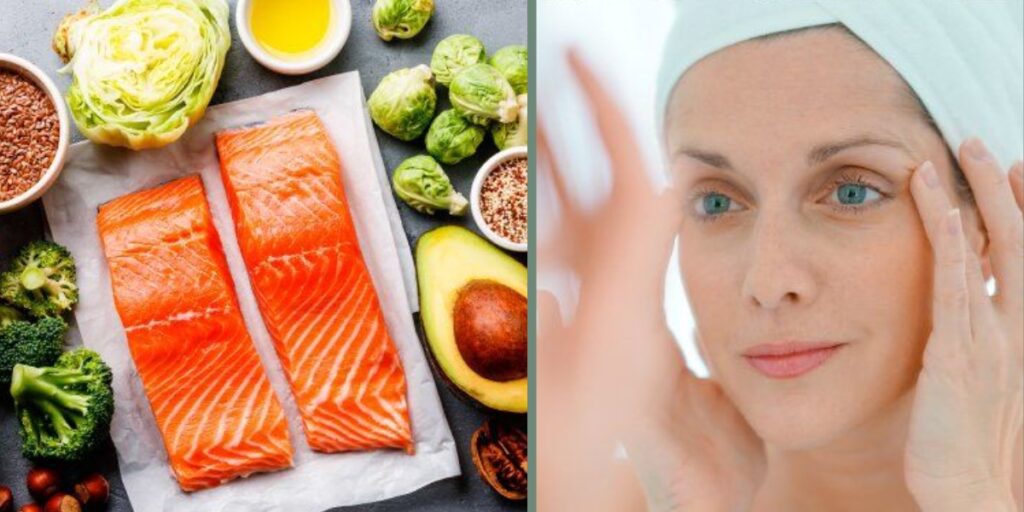
01. Fatty Fish (Salmon, Mackerel, Sardines)

Fatty fish is one of the best anti-aging foods for men and women to boost their skin. Because it is loaded with omega-3 fatty acids, which help keep skin plump and hydrated. It also contains sardines’ benefits for the skin, including astaxanthin. 

It’s a powerful antioxidant that protects against sun-damaged skin. The high protein content supports collagen production, keeping skin firm and smooth. It’s best to eat at lunch or dinner to ensure that your skin gains maximum benefits from it.

Other Benefits: It helps reduce the risk of heart disease, supports brain health, and improves joint mobility.

02. Avocados

Avocados are one of the best natural anti-wrinkle foods, packed with healthy fats, essential vitamins, and powerful antioxidants.  It helps slow the aging process and keep your skin plump, hydrated, and youthful. 

Unlike many other foods, avocados provide a perfect balance of monounsaturated fats, fiber, and anti-aging nutrients. This makes them an essential part of any anti-aging diet plan. One of the main reasons avocados are effective for wrinkles is due to vitamin E and vitamin C properties to prevent fine lines and wrinkles.  

A 2022 study shows that regular consumption of avocado enhances skin elasticity and boosts hydration. 

Other Benefits: It enhances digestion, supports foods for plump skin, and also enhances heart health. 

03. Nuts and Seeds (Almonds, Walnuts, Flaxseeds, Chia Seeds)

Nuts and seeds are also game changers when it comes to getting healthy and wrinkle-free skin as you grow. They are packed with essential nutrients, healthy fats, and antioxidants that nourish the skin. 

Almonds are rich in vitamin E, a powerful antioxidant that protects your skin from sun damage. It prevents skin aging and maintains moisture balance. 

Walnuts, on the other hand, are packed with omega-3 fatty acids, which help strengthen the skin barrier. It keeps it hydrated and supple. 

Flaxseeds and chia seeds are excellent plant-based sources of ALA (alpha-linolenic acid). It is an omega-3 fatty acid that fights inflammation, supports collagen, and improves skin texture.

Other Benefits: It enhances skin cell repair, boosts collagen production, improves hydration, and supports heart health. 

04. Berries (Blueberries, Strawberries, Raspberries, Blackberries)

Berries such as strawberries, and blueberries anti-aging are some of the most powerful antioxidants for the skin. These are known to slow the aging process. It protects skin from sun damage and promotes youthful, glowing skin. 

These small yet mighty fruits are loaded with vitamin C, flavonoids, and polyphenols, all of which play a crucial role in maintaining healthy skin. 

Such foods prevent aging and the breakdown of collagen and elastin. The two essential proteins that keep skin firm and wrinkle-free.

Other Benefits: Reduces heart disease, supports brain function, boosts the immune system, and regulates blood sugar. 

05. Dark Chocolate (At Least 70% Cocoa)

It’s packed with anti-aging properties that help keep your skin smooth, hydrated, and youthful. Unlike milk chocolate, which is loaded with sugar and dairy. It’s also a nutrient-dense option that supports overall skin health.

Dark chocolate, with at least 70% cocoa, contains high levels of flavonoids, polyphenols, and antioxidants. These protect the skin from fine lines and wrinkles while improving hydration and elasticity.

Regular consumption of high-quality dark chocolate can boost circulation. A study in 2006 states that in individuals who consume dark chocolates more often their skin remains hydrated and reduces roughness. Including it as part of your 70-year-old diet plan or alongside anti-aging drinks and fruits can further enhance its benefits. 

Other Benefits: Have flavonols which provide benefits of lower heart disease, cognitive decline, and type II diabetes.

06. Green Tea

Green tea has been enjoyed for centuries as a health-boosting medicine. It’s rich in antioxidants, polyphenols, and catechins. It helps slow aging, supports healthy skin, and fights oxidative stress which is a major cause of wrinkles and fine lines. 

The key compound EGCG protects it against sun damage, reduces inflammation, and boosts collagen production. As one of the most powerful antioxidants for the skin, green tea keeps wrinkles at bay and maintains youthful elasticity. 

Its natural healing properties make it one of the most studied anti-aging beverages in the world.

Other Benefits: Detoxifies the body, enhances brain function, strengthens the immune system, and regulates blood sugar levels. 

07. Vegetables (Carrots, Sweet Potatoes, Bell Peppers)

When it comes to natural anti-wrinkle foods then carrots, sweet potatoes, and bell peppers are best. It’s packed with anti-aging properties, vitamins, antioxidants, and skin-repairing nutrients. They help keep skin firm, youthful, and glowing. 

Beta-carotene, found in carrots and sweet potatoes, converts to vitamin A. It boosts skin regeneration, prevents wrinkles, and protects against UV damage. Bell peppers, especially red and yellow ones, are rich in vitamin C. These vegetables also have anti-inflammatory properties, reducing redness, puffiness, and oxidative stress. 

Other Benefits: Enhances eye health, reduces cancer, boosts the immune system, and supports digestion.

08. Tomatoes

Tomatoes are a super healthy food for wrinkles-free skin. It’s packed with antioxidants, especially lycopene, which helps prevent wrinkles and protects against sun damage. 

They are rich in vitamin C, vitamin A, potassium, and beta-carotene, all essential for healthy skin and collagen production. Lycopene, one of the most powerful antioxidants for skin, fights free radicals. It prevents collagen breakdown and keeps skin firm and youthful. 

Regular consumption improves skin elasticity, combats signs of aging, and shields against environmental damage, making tomatoes an anti-aging powerhouse.

Other Benefits: Aids digestion, supports heart health, and improves vision. 

09. Pomegranates

Pomegranates are often called superfruits due to their rich nutritional profile. It contains antioxidants, vitamins, and polyphenols. They help reduce inflammation, fight free radicals, and promote skin health.

This vibrant fruit supports collagen production, enhances skin elasticity, and hydrates the skin at a deep level. Unlike other fruits, pomegranates work cellularly to protect against sun damage and improve circulation, slowing premature aging. 

It’s been used in traditional medicine for centuries, it is one of the best anti-aging foods for younger-looking skin. A 2019 study showed that the constant intake of it as a juice or solid keeps your skin moisturized and enhances your natural glow.

Other Benefits: Boost brain functions, enhance heart health, help in preventing cancer, and boost the immune system. 

10. Olive Oil

Olive oil is one of the best Old-age food supplements. It contains monounsaturated fat, antioxidants, and anti-inflammatory properties that promote glowing skin. It is a key part of longevity meals, it helps combat oxidative stress, a major cause of fine lines and wrinkles. 

Unlike foods that cause wrinkles, it has high-quality extra virgin olive oil (EVOO) which deeply nourishes the skin, keeping it hydrated and youthful. 

Regular consumption supports food to look younger and more beautiful, while also protecting against premature aging. 

Just like Watercress, olive oil enhances skin elasticity, boosts collagen production, and shields against environmental damage for long-term skin health.

Other Benefits: Boosts collagen production, shields skin against environmental damage, and promotes gut health and longevity. 

Additional Tips for Younger-Looking Skin

  • Stay hydrated by drinking plenty of water to keep your skin plump and elastic.
  • Incorporate anti-aging foods like watercress, olive oil, and berries into your daily diet.
  • Avoid foods that cause wrinkles, such as processed sugars, fried foods, and excessive caffeine.
  • Get enough sleep to allow your skin to repair and regenerate overnight.
  • Use sunscreen daily to protect against UV damage, which accelerates skin aging.
  • Get regular exercise to boost circulation and oxygen flow, which enhances skin health.
  • Avoid smoking and excessive alcohol consumption, as they contribute to fine lines and wrinkles.

Conclusion

A healthy lifestyle with a proper diet plan and anti-inflammatory foods, whole foods, and antioxidants is essential to slow down the aging process. Such nutritious foods enhance skin health, remove wrinkles and fine lines from the face, and boost your skin health. 

While a longevity diet plan won’t reverse aging. It supports a healthy body and a youthful true age, keeping your skin radiant for years to come. 

AT MD Longevity, we specialize in providing individuals with a healthy diet plan and anti-aging medicine. We assure you that we will be your skin and health protectors for years. Just contact us at 888-545-3047, or 888-545-9147 for further health-related issues.

FAQs

What foods slow down the aging process?

Foods that contain healthy fats, and antioxidant properties can help slow down the aging process. These are olive oil, fatty fish, nuts, and berries. 

What is the most powerful anti-aging food?

Fatty fish are the most powerful anti-aging food. Due to its omega-3 fatty acids and collagen-boosting properties, it’s the best one.

What foods are good for wrinkled skin?

The fruits include green tea, avocados, walnuts, dark chocolates, tomatoes, and more. These fruits help reduce fine lines and wrinkles and boost collagen production.

What is the best anti-aging drink?

The best anti-aging drink is green tea. It’s rich in polyphenols and catechins. It helps protect skin elasticity and reduce wrinkles and fine lines.

How Often to Use Tretinoin For Anti-Aging: Expert Doctors Instructions

How Often To Use Tretinoin For Anti-Aging Expert Doctors

Wondering about how often to use tretinoin for anti-aging? You might be curious at first like me. Too much usage of this game-changing product can cause redness or peeling on your face. However, using a short amount may result in not getting the appropriate results from it. 

This cream is best for removing wrinkles and fine lines as per a dermatologist. But there is a specific time or routine and age to use it. Not everyone can use it.

With guidance from certified dermatologists, this effective solution can transform your skin texture and address wrinkle development for a more youthful appearance. Stick with a blog that provides the detailed information you need. 

What is a Tretinoin for Anti-aging?

What is a Tretinoin for Anti-aging

Tretinoin is an anti-aging medicine that is usually in the form of cream and gel. It’s mostly applied on the face such as the cheeks, forehead, chin, and neck area. It helps slowly reduce the appearance of aging skin while using it frequently or as per doctors’ instructions. 

It helps boost your skin naturally by adding a fresh and smooth look to your skin. It acts as a skin turnover (a process in which old skin cells are replaced with new skin cells). 

Additionally, it helps improve collagen (a protein that makes your skin smooth, tight, and wrinkle-free). This way it helps prevent wrinkles. Fine lines, and even hyperpigmentation. 

As an anti-aging specialist, this is the best dermatologist anti-aging medicine, and also many expert doctors use it in skin treatments. But it’s always essential to use it as per doctors’ recommendations for getting a glowing and youthful skin complexion.

7 Most Followed Steps to Use Tretinoin for Anti-aging

How Often to Use Tretinoin For Anti-Aging

Tretinoin is the most preferred skincare product for improving skin texture. To get the most benefits, you must consider taking it properly. Also, ensure that your skin gets the best care while applying it. Here are some recommended steps that everyone should follow:

Step 01: Start with a Clean Soap

First of all, wash your face with lukewarm water and with a cleanser. The dirt and oil will be removed gently, this way. Avoid using face washes such as benzoyl peroxide or salicylic acid in the facial cleansing routine. You can also use a simple soap to clean the face. 

Now gently pat your face dry with a soft towel instead of rubbing the face with it. This security measure will reduce irritation while applying the cream.

Step 02: Apply a Pea-Sized Amount

Now take a pea-size amount (small size) of tretinoin cream. Put it on your forehead, cheeks, and chin. Use your fingertips to spread it evenly on your face. Don’t spread it over sensitive areas of your face such as eyes, lips, and nostrils. 

This helps you understand the results more easily and is effective. Use tretinoin for forehead wrinkles before and after to get results and improvements. It’s used for any type of oily, dry, and mixed combination of skin but doctors’ recommendations are vital. 

Step 03: Layer It Right

If you face irritation after applying it, it’s advisable to use moisturizer before and after tretinoin. It depends on how much your skin tolerates it. This is beneficial for preventing dryness and flaking while maintaining your skin hydrated. 

If you are concerned about the tretinoin purge effect, using moisturizer will help keep your skin smooth and calm. 

Step 04: Protect Your Skin from the Sun

While continuous use of tretinoin anti-aging medicine makes your skin more sensitive to the sun. Ensure to always use sunscreen with SPF 50 during the summer days. If the heat is excessive, you can reapply sunblock every two hours to protect it against harmful UV rays. 

That’s why many experts recommend using it in the evening or before bed to prevent sun exposure. This will be beneficial for a healthy cell turnover and avoid any skin damage issues. 

Step 05: Start Slowly and Build Tolerance

If you are using it for the first time, avoid applying it daily. Start slowly, use it 2 to 3 times a week. After some time you can gradually increase its usage. It depends upon how your skin adopts it. Keep in mind that it is a prescription cream and getting its proper results will take some time. 

According to dermatologists, it takes 16 weeks to achieve accurate results in reducing tretinoin for wrinkles. 

Step 06: Avoid Mixing with Certain Ingredients

While applying this cream or gel avoid using other skin-related products. Especially those that contain lactic acid or alpha hydroxy acids. Combined use of these products can irritate your skin such as red skin or dark spots. 

This will raise the side effects of tretinoin. Ensure to follow a simple and easy-to-go skincare routine to get the best results from this medicine. 

Step 07: Monitor and Adjust as Needed

After applying it as recommended, you should also inspect how your skin reacts with it. If you are facing irritation, dryness, or flaking then you should reduce its usage. 

Additionally, you apply a thick layer of moisturizer to it. To get the best results, it’s advisable to get continuous medical reviewers or your dermatologist for more personalized advice. 

What Strength of Tretinoin Cream is Best for Wrinkles?

How Often to Use Tretinoin For Anti-Aging

The best strength of tretinoin cream for wrinkles typically depends on your skin’s tolerance and needs. Beginners often start with a low concentration like 0.025%, as it’s gentle on the skin and minimizes irritation.

If your skin adjusts well, you can gradually move to higher strengths like 0.05% or 0.1% for better results. Keep in mind, this prescription medication is powerful, so using too much too soon may stimulate the side effects of tretinoin like dryness or peeling. 

Always consult your dermatologist to find the right balance that makes tretinoin work effectively for your anti-aging goals.

What Happens if You Stop Using Tretinoin?

If you are continuously using it and suddenly stop it then it affects your skin. Here is what happens when you suddenly stop using it. 

  • Gradual Loss of Benefits: When you suddenly stop using tretinoin for aging, its benefits are also reduced. Such as fine lines, and wrinkles, and improving cell turnover will gradually reduce. Your skin will look and turn into the same texture as it was before. 
  • Increased Signs of Aging: Leaving it for a time may cause aging signs such as wrinkles and dark spots to become obvious. This is true if you are not following any other skincare routine.
  • Skin Adjustments: It’s quite obvious that your skin may take some time to adjust. You may face temporary dryness or dullness for a short time.
  • Vulnerability to Damage: With tretinoin, your skin may get positive results over time. But without it, you may face more environmental damage such as sun exposure or pollutants 
  • Missed Long-term Results: Consistent usage of it is key to long-lasting benefits and improvements. You can also read tretinoin cream reviews for anti-aging. Stopping it suddenly may result in getting the desired results.
  • Potential Breakouts: For those who are using it for acne, may find clogged pores and breakouts. Maybe your skin requires a replacement treatment to maintain its clarity.

How Long Does it Take for Tretinoin to Work for Anti-aging?

How Long Does it Take for Tretinoin to Work for Anti-aging

It will take almost 8 to 12 weeks to get the appropriate results as per expert doctors. During this period fine lines, wrinkles, and skin texture will gradually enhance. For more optimal results such as reducing acne spots and smoother skin, using it for 16 weeks is best. 

The results depend on factors such as skin type, continuous use, and how well you follow the skin routine. It’s crucial to be patient and use it regularly. This medicine works slowly but ultimately provides amazing results. 

What are the Side Effects of Using Tretinoin for Anti-aging?

What are the Side Effects of Using Tretinoin for Anti-aging

Tretinoin is a safe and effective medicine and yet recommended by several dermatologists. But still, it has some side effects. These are:

  • Skin Irritation: In the initial days you may face dryness, redness, and peeling. The more frequently you use it, its side effects subside as your skin adopts it. 
  • Increased Sun Sensitivity: if you use this cream in daylight then it is recommended to always apply a sunscreen of SPF 50. This will protect your skin from tanning.
  • Dryness and Flakiness: Tretinoin can remove natural oil skin (layers) which leads to dryness and flaking. With the help of a good moisturizer, you can resolve this issue. 
  • Temporary Breakouts: Some of its users face tretinoin purge issues, where breakouts often occur as clogged pores and clear. This phase is usually temporary and may show a sign that the product is working. 
  • Burning or Stinging Sensation: While applying it, you may experience burning or stinging, especially if you have sensitive skin. Ensure not to apply it in damaged or broken areas. 
  • Initial Worsening of Fine Lines: You may experience more fine lines during this phase due to dryness. Hydrating or moisturizing your skin can reduce this effect. 
  • Rare Allergic Reactions: Although, this issue is rare only happens with people who have very sensitive skin. If you face swallowing, hives, or irritation, consult with a dermatologist quickly. 

Common Mistakes to Avoid When Using Tretinoin

What are the Side Effects of Using Tretinoin for Anti-aging

While using tretinoin there are some common mistakes that every user must avoid. These are:

  • Avoid applying too much quantity of this cream. 
  • Skipping sunscreen during the day may damage your skin. 
  • Avoid using harsh cleaners such as salicylic acid which may damage your skin more. 
  • Starting to apply it on damp skin can increase the chances of irritation and redness. 
  • Forgetting to apply a good amount of moisturizer can cause flakiness and dryness. 
  • Using tretinoin sparingly instead of staying consistent may provide results late.
  • Applying it to sensitive areas such as lips or eyes rather than areas where it’s needed, causes more effects.

Conclusion

Using the optimal frequency of applying the tretinoin medicine for an anti-aging solution is essential. It helps you reduce the side effects of your age as you grow such as wrinkles, fine lines, acne, or more. 

It provides several benefits to users who want flawless, glowing, and smooth skin texture in every age zone. Ensure to get your treatment from a professional dermatologist with a good reputation, to get the best solution for your aging skin. 

AT MD longevity, Ann J. Peters provides services of anti-aging treatment that are tailored to your unique skin type and needs. Call us at 888-545-3047 and we are ready to help you get youthful and radiant skin. 

Did you use Tretinoin for your skin? Let us know what challenges you face during this period in the comment section below. 

FAQS

Can you reverse wrinkles with tretinoin?

Yes, you can easily reduce the appearance of wrinkles. This will happen by boosting collagen production and improving skin texture over time.

How many times a week should I use tretinoin?

You should use it 2 to 3 times a week. Then you can gradually increase its quantity at night time for skin balance and to prevent damage in daylight.

How long to wait between tretinoin and moisturizer?

Before applying a tretinoin, ensure to apply moisturizer and wait for 15 minutes. After that apply this cream equally.

How to know if tretinoin is working?

If you are getting smoother skin and better skin tone, reduce fine lines within a specific period. Then, it means tretinoin is working on your skin.

Is it good to use tretinoin long term?

Yes, you can use it for a long period and also it provides you with healthy, radiant, and youthful skin. Ensure to follow your dermatologist’s instructions for it.